S&P 500 — US Large Cap Index
 FTSE 100 — UK Blue Chips
 Euro Stoxx 50 — Eurozone Leaders
 DAX 40 — German Equities
 CAC 40 — French Market Index
 Nikkei 225 — Japan Benchmark
 Hang Seng — Hong Kong Index
 Shanghai Composite — China Mainland
 ASX 200 — Australian Market
 TSX Composite — Canada Index
 Nifty 50 — India Large Cap
 STI Index — Singapore Market
 KOSPI — South Korea Index
 Bovespa — Brazil Equities
 JSE Top 40 — South Africa Index
 IPC Index — Mexico Market

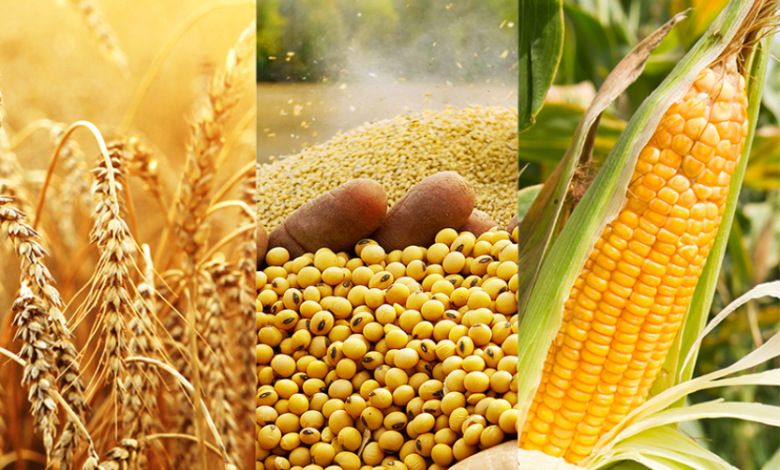
Agricultural commodity markets ended the latest trading session with a mixed performance, as lumber, palm oil and sugar recorded notable declines while coffee and soybeans moved higher.
Lumber was the weakest performer, falling 2.99%, followed by palm oil, which declined 2.72%. Sugar also came under pressure, losing 1.67%. On the positive side, coffee advanced 1.07%, while soybeans gained 0.72%.
The contrasting movements highlight diverging sentiment across the agricultural commodities complex, with selected markets attracting buying interest while others remain under selling pressure.
As markets approach Monday’s session, traders will be assessing whether the current weakness in lumber, palm oil and sugar continues, while monitoring whether coffee and soybean gains can be sustained.
Market Snapshot
| Commodity | Price Movement | Market Direction |
|---|---|---|
| Lumber | -2.99% | Lower |
| Palm Oil | -2.72% | Lower |
| Sugar | -1.67% | Lower |
| Coffee | +1.07% | Higher |
| Soybeans | +0.72% | Higher |
Current Agricultural Commodity Price Action
The latest market performance shows a clear division between the strongest and weakest agricultural commodities.
Lumber recorded the largest decline, falling 2.99%, while palm oil lost 2.72%. Sugar also finished lower, declining 1.67%.
In contrast, coffee gained 1.07%, making it the strongest performer in the reported group. Soybeans followed with a 0.72% advance.
The difference in performance suggests that the agricultural complex is not moving in a single direction. Individual commodity markets continue to respond to their own trading conditions and underlying fundamentals.
Lumber Market: Biggest Decline Among Agricultural Commodities
Lumber fell 2.99%, recording the largest loss in the latest commodity update.
The decline places lumber at the bottom of the reported performance rankings. Traders will be watching whether the selling pressure continues into Monday or whether lower prices attract renewed buying interest.
The latest figures establish the extent of the decline, although further information on construction demand, inventories and production would be required to assess the underlying drivers.
Palm Oil Market: Prices Fall 2.72%
Palm oil declined 2.72%, making it the second-weakest performer in the agricultural commodities update.
The decline highlights continued weakness in the latest reported price action. Traders will be monitoring developments in vegetable oil markets, export demand and production conditions for indications of whether the market can stabilise.
Further selling into Monday could reinforce the current negative momentum, while a recovery would suggest buyers are beginning to return.
Sugar Market: Losses Extend Across the Soft Commodities Complex
Sugar prices declined 1.67%, adding to the negative performance across the agricultural markets highlighted.
The decline places sugar among the weakest performers, although the latest figures alone do not establish whether the move reflects changing supply expectations, demand conditions or speculative positioning.
Traders will be looking for further information on global production, export availability and consumption to determine whether the weakness is likely to persist.
Coffee Market: Strongest Performer With a 1.07% Gain
Coffee advanced 1.07%, leading the positive performers in the latest update.
The gain provides a contrast to the weakness seen in lumber, palm oil and sugar. Traders will be watching whether coffee can maintain its upward momentum as the next session begins.
Production forecasts, weather conditions in major growing regions and certified inventory levels remain important fundamental indicators for the coffee market.
Soybean Market: Prices Advance 0.72%
Soybeans gained 0.72%, making them the second-strongest performer in the reported group.
The positive move indicates relative strength against several other agricultural commodities. Traders will continue monitoring export demand, crop supply expectations and developments in major producing countries for further direction.
Whether the latest gain develops into a more sustained recovery will depend on continued buying interest and confirmation from the underlying supply and demand picture.
Monday Market Outlook: Commodity Divergence Remains the Key Theme
Agricultural commodity markets enter Monday with a mixed outlook.
Lumber and palm oil are facing the strongest selling pressure, while sugar has also moved lower. Coffee and soybeans are demonstrating relative strength, but further buying will be needed to establish a more convincing upward trend.
The next session will be important in determining whether Friday’s market leaders can maintain their direction or whether sentiment begins to change.
Traders should pay particular attention to:
- Lumber: Whether selling pressure continues following its 2.99% decline.
- Palm Oil: Whether prices stabilise after falling 2.72%.
- Sugar: Whether the market experiences further weakness.
- Coffee: Whether buyers extend the latest 1.07% advance.
- Soybeans: Whether positive momentum continues following the 0.72% gain.
Bullish Sentiment: Factors Supporting the Stronger Markets
- Coffee leads the gains: Coffee advanced 1.07%, making it the strongest performer in the latest update.
- Soybean resilience: Soybeans gained 0.72%, demonstrating relative strength across the agricultural complex.
- Potential buying interest: Continued strength in coffee and soybeans could encourage further participation if buyers maintain their positions.
Bearish Sentiment: Factors Weighing on Agricultural Commodities
- Lumber weakness: Lumber recorded the largest decline, falling 2.99%.
- Palm oil selling pressure: Palm oil dropped 2.72%, placing it among the weakest commodities.
- Sugar declines: Sugar lost 1.67%, adding to the negative performance across the soft commodities group.
- Divergent market sentiment: The mixed performance highlights the absence of broad-based strength across the agricultural complex.
Agricultural Commodity Forecast: What Traders Should Watch Next
The immediate outlook remains mixed, with the direction of individual commodities likely to depend on their respective fundamental conditions.
Lumber and palm oil remain vulnerable following their latest declines, while sugar will need to stabilise to prevent further deterioration in sentiment.
Coffee and soybeans currently have the stronger price momentum. However, sustained gains will require continued buying interest and supportive developments in their respective supply and demand markets.
For Monday, traders should avoid treating the agricultural complex as a single market. The current divergence makes individual commodity fundamentals particularly important when assessing potential trading opportunities.
Market Outlook for the Coming Sessions
The agricultural commodities complex remains divided between weakness in lumber, palm oil and sugar and positive momentum in coffee and soybeans.
The coming sessions will determine whether these movements develop into more sustained trends or represent short-term fluctuations.
Further information on global production, inventories, export activity and demand will be essential in establishing the next directional moves.
For now, the outlook remains mixed, with lumber and palm oil under the greatest pressure while coffee and soybeans retain relative strength.
Today Markets Analysis
The latest agricultural commodity performance highlights the importance of looking beyond broad market sentiment.
Lumber’s 2.99% decline and palm oil’s 2.72% fall indicate considerable weakness among the leading losers, while sugar’s 1.67% decline adds to the negative picture.
Coffee and soybeans are providing a counterbalance, advancing 1.07% and 0.72% respectively.
Monday’s session will be an important test of whether the stronger commodities can maintain their gains and whether the weakest markets attract further selling.
The immediate trading outlook is mixed, and the next sustained direction will depend on individual supply and demand developments rather than a single trend across the agricultural sector.
Currency Hedger View: Managing Currency Risk Across Global Agricultural Trade
Agricultural commodity price movements are only one part of the financial exposure facing international producers, exporters, importers and commodity trading businesses.
Companies buying and selling lumber, palm oil, sugar, coffee and soybeans across international markets also face foreign exchange risk when invoices, supplier payments and customer receipts are denominated in different currencies.
Changes in exchange rates can affect purchasing costs, trading margins and the final value of international transactions, even when the underlying commodity price remains unchanged.
For agricultural businesses operating across multiple countries, managing currency exposure is therefore an important part of protecting profitability and maintaining predictable cash flows.
Currency Hedger provides international payment solutions, multi-currency accounts and foreign exchange risk management services to help businesses manage cross-border transactions and currency exposure.
Whether you are an agricultural importer, exporter, commodity trader or international supplier, explore how Currency Hedger can support your business.
Open a Currency Hedger account today or visit Currency Hedger to learn more about its international payment and currency management services.
Risk Disclaimer: This article is provided for informational and market commentary purposes only. It does not constitute investment advice, financial advice or a recommendation to buy or sell any financial instrument or commodity. Agricultural commodity markets are volatile and involve substantial risk. Prices and market conditions can change rapidly. Traders should conduct their own research and consider their financial circumstances and risk tolerance before making trading decisions.