S&P 500 — US Large Cap Index
 FTSE 100 — UK Blue Chips
 Euro Stoxx 50 — Eurozone Leaders
 DAX 40 — German Equities
 CAC 40 — French Market Index
 Nikkei 225 — Japan Benchmark
 Hang Seng — Hong Kong Index
 Shanghai Composite — China Mainland
 ASX 200 — Australian Market
 TSX Composite — Canada Index
 Nifty 50 — India Large Cap
 STI Index — Singapore Market
 KOSPI — South Korea Index
 Bovespa — Brazil Equities
 JSE Top 40 — South Africa Index
 IPC Index — Mexico Market
Palm Oil Rallies 1.89% as Rubber and Sugar Slide Across Agricultural Commodity Markets

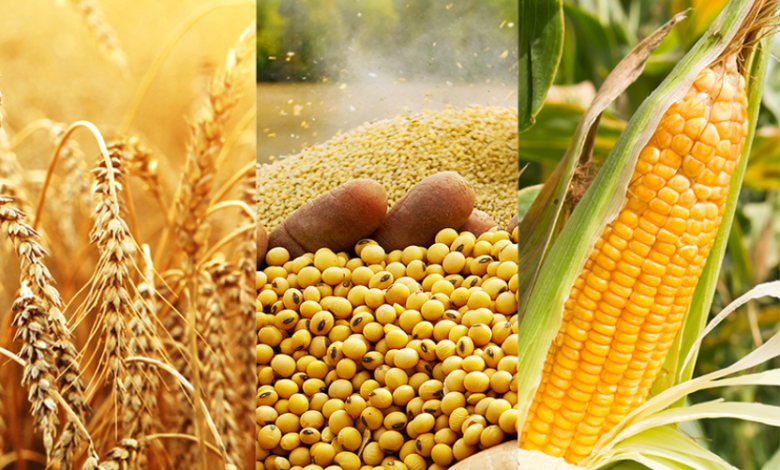
Palm oil is leading agricultural commodity performance, rising 1.89%, while rubber falls 1.51% and sugar declines 0.97%. The contrasting moves highlight divergent trading conditions across agricultural markets, with palm oil attracting buying interest while rubber and sugar remain under pressure.
The next direction will depend on supply developments, export demand, weather conditions, inventory levels and broader movements in competing commodities. Palm oil traders will be watching whether the latest advance attracts follow-through buying, while rubber and sugar markets face the risk of further weakness if selling pressure persists.
Market Snapshot
| Agricultural Commodity | Latest Move | Market Bias |
|---|---|---|
| Palm oil | +1.89% | Bullish |
| Rubber | -1.51% | Bearish |
| Sugar | -0.97% | Bearish |
The percentage changes reflect the reported market moves. No absolute prices or confirmed catalysts were supplied.
Current Price Action: Palm Oil Outperforms as Rubber and Sugar Decline
Palm oil is the strongest performer in the reported agricultural commodity group, gaining 1.89%. Rubber records the largest decline, falling 1.51%, while sugar loses 0.97%.
The divergence suggests that agricultural commodities are responding to different market-specific conditions rather than moving together. Palm oil may be benefiting from stronger buying interest or expectations around supply and demand, but the available figures do not confirm the catalyst.
Rubber and sugar remain under pressure, although their declines should not automatically be interpreted as evidence of deteriorating fundamentals. Further information on production, inventories, exports and demand will be needed to establish whether the moves are likely to persist.
Palm Oil Forecast: Can the 1.89% Rally Continue?
Palm oil’s advance puts the market in focus for the coming sessions. The sustainability of the rally will depend on whether demand and supply conditions support further buying.
Key factors to monitor include:
- Malaysian production: Changes in output and harvesting conditions could influence the availability of palm oil.
- Export demand: Stronger shipments to major importing countries could help reduce inventories and support prices.
- Indonesian supply policy: Production, export regulations and domestic biodiesel requirements can influence the regional balance.
- Competing vegetable oils: Movements in soybean, sunflower and rapeseed oil can affect palm oil’s competitiveness.
- Energy markets: Changes in crude oil prices and biodiesel economics may influence demand for vegetable oils used in biofuel production.
A continuation of the rally would be more convincing if supported by stronger export data, tightening inventories or evidence of improving consumption. Without confirmation, the latest increase could remain a short-term price move.
Rubber: Largest Decliner Faces Demand and Supply Uncertainty
Rubber falls 1.51%, making it the weakest performer among the three commodities.
Natural rubber demand is closely linked to tyre manufacturing, vehicle production and wider industrial activity. China remains an important influence on consumption expectations, while weather conditions and production trends across major producing countries affect supply.
Further weakness could develop if industrial demand disappoints, buyers delay purchases or supply availability improves. Conversely, adverse weather, production disruptions or stronger manufacturing activity could help prices stabilise.
Traders should monitor industrial data, tyre-sector demand and production conditions before concluding that the decline represents a longer-term bearish trend.
Sugar: Prices Retreat as Traders Assess Supply and Demand
Sugar falls 0.97%, extending the negative tone across part of the agricultural complex.
The market’s outlook depends on production in major growing regions, weather conditions, export availability, global consumption and the economics of allocating sugarcane between sugar and ethanol.
A favourable production outlook or comfortable export supplies could weigh on prices. However, adverse weather, lower-than-expected output or stronger demand for ethanol could tighten the balance and support a recovery.
The latest decline indicates short-term weakness, but further supply and demand evidence is needed to determine whether the market is entering a sustained downward trend.
Bullish Sentiment: Factors That Could Support Agricultural Commodities
- Palm oil export growth: Stronger international shipments could reduce available stocks and support further gains.
- Weather-related supply risks: Excessive rainfall, drought or other adverse conditions could disrupt production across agricultural markets.
- Tighter inventories: Falling stock levels could strengthen prices where consumption outpaces supply.
- Stronger industrial demand: Improving vehicle and tyre production could support rubber consumption.
- Biofuel demand: Changes in biodiesel and ethanol economics could increase demand for vegetable oils or sugar-based feedstocks.
Bearish Sentiment: Risks to the Agricultural Market Outlook
- Higher palm oil production: Improved output could limit the sustainability of the current rally.
- Weak export demand: Slower purchases from major importing countries could leave more supply available in producing markets.
- Industrial demand weakness: Lower vehicle production or subdued manufacturing activity could pressure rubber.
- Strong sugar supply: Favourable growing conditions and robust production could weigh on sugar prices.
- Broader commodity selling: Weak investor sentiment or a stronger US dollar could add pressure, although neither factor is confirmed as the cause of the latest moves.
Agricultural Commodity Forecast: What Traders Are Watching
The near-term outlook is mixed. Palm oil has positive momentum, while rubber and sugar are trading lower. The key question is whether these moves are supported by changing fundamentals or primarily reflect short-term positioning.
Traders should focus on:
- Malaysian and Indonesian palm oil production and export figures.
- Vegetable-oil price movements and biodiesel demand.
- Rubber production, weather conditions and Chinese industrial demand.
- Sugar output forecasts, export availability and ethanol economics.
- Currency movements affecting production costs and export competitiveness.
A sustained palm oil rally would be more credible if accompanied by strong exports or tightening inventories. Rubber and sugar could remain under pressure if supply remains ample and demand disappoints, but both markets are vulnerable to weather and production surprises.
Agricultural Market Outlook for the Coming Sessions
Palm oil is leading the latest agricultural commodity moves, rising 1.89%, while rubber and sugar record losses. The divergence highlights the importance of analysing each market’s supply and demand balance rather than treating agricultural commodities as a single trading theme.
Palm oil’s advance could continue if export demand strengthens or supply tightens. Rubber and sugar may face further downside if bearish fundamentals persist, although weather disruptions and changes in consumption could trigger reversals.
For the coming sessions, traders should prioritise confirmed production, inventory and export data before assuming that the current price direction will continue.
Currency Hedger View
Agricultural commodity price movements can affect exporters, importers, manufacturers and food producers operating across borders. However, the final cost of a transaction also depends on the exchange rate between the buyer’s and seller’s currencies.
For businesses purchasing palm oil, rubber or sugar internationally, a decline in the commodity price may be partly offset by adverse currency movements. Exporters receiving foreign-currency revenue may also face uncertainty when converting proceeds into their operating currency.
Businesses with predictable payment obligations can assess whether forward contracts or other suitable currency-risk management strategies would help improve cash-flow certainty. The appropriate approach depends on payment dates, transaction size and risk tolerance.
Open a Currency Hedger account: https://currencyhedger.numito.com/onboarding
Visit https://currencyhedger.com/ to learn more about international payments, multi-currency accounts and currency risk management.
Today Markets Analysis
Palm oil is outperforming the agricultural commodity group, while rubber and sugar remain under pressure. The latest moves establish a clear short-term divergence, but the underlying catalysts are not confirmed by the available data.
The coming sessions will be shaped by export demand, production estimates, weather conditions and inventory trends. Palm oil’s rally needs fundamental confirmation, while rubber and sugar require evidence of sustained supply or demand weakness before the latest declines can be treated as longer-term trends.
Contributor: Currency Hedger
Disclaimer: This analysis is provided for informational and educational purposes only and does not constitute investment, financial or trading advice. Agricultural commodity prices are volatile and can change rapidly in response to weather, production, inventories, demand, trade policy and currency movements. Forecasts and scenarios are not guarantees of future performance. Businesses should assess their individual commodity and currency exposures and seek independent professional advice where appropriate.