S&P 500 — US Large Cap Index
 FTSE 100 — UK Blue Chips
 Euro Stoxx 50 — Eurozone Leaders
 DAX 40 — German Equities
 CAC 40 — French Market Index
 Nikkei 225 — Japan Benchmark
 Hang Seng — Hong Kong Index
 Shanghai Composite — China Mainland
 ASX 200 — Australian Market
 TSX Composite — Canada Index
 Nifty 50 — India Large Cap
 STI Index — Singapore Market
 KOSPI — South Korea Index
 Bovespa — Brazil Equities
 JSE Top 40 — South Africa Index
 IPC Index — Mexico Market

Gold Prices Hover Near 14-Month Low at $3,850 as Strong Dollar and Hawkish Fed Weigh

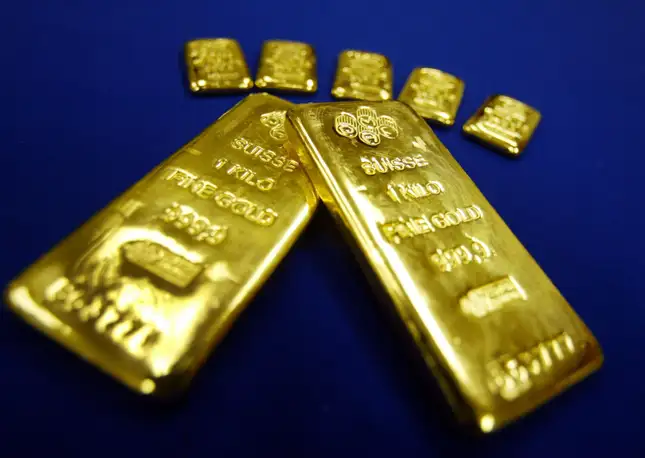
Gold prices traded around $3,850 per ounce on Tuesday, remaining near their lowest levels since September 2025 as a stronger US dollar and elevated Treasury yields continued to pressure the precious metal.
The latest decline follows stronger-than-expected US inflation figures for October and increasingly hawkish commentary from Federal Reserve officials. Expectations of further interest rate increases have strengthened the dollar and reduced the appeal of non-yielding assets such as gold.
Markets are now pricing in more than a 95% probability of a 25-basis-point rate increase next month, while the remaining probability reflects the possibility of a larger 50-basis-point move.
Gold Market Snapshot
| Market Indicator | Latest Position |
|---|---|
| Gold Price | Around $3,850/oz |
| Price Trend | Near 14-month low |
| Lowest Levels Since | September 2025 |
| US Inflation | Stronger than expected |
| Treasury Yields | Elevated |
| Probability of 25bp Rate Increase | Above 95% |
| Remaining Probability | Possible 50bp increase |
| Key Upcoming Event | October FOMC meeting minutes |
Strong US Dollar Continues to Pressure Gold
The stronger US dollar remains one of the principal headwinds for gold.
As the dollar appreciates, gold becomes more expensive for buyers using other currencies, potentially reducing international demand. The latest dollar strength reflects growing expectations that the Federal Reserve will maintain a restrictive monetary policy in response to persistent inflation.
With the dollar continuing to attract support from higher interest rate expectations, gold has struggled to regain upward momentum.
Elevated Treasury Yields Reduce Gold’s Appeal
Higher US Treasury yields are adding further pressure to the precious metal.
Gold does not generate interest income, making it less attractive when government bond yields rise and investors have access to potentially higher returns from interest-bearing assets.
The combination of elevated yields and a stronger dollar has created an unfavourable environment for bullion, contributing to its decline towards the lowest levels since September 2025.
Hawkish Federal Reserve Commentary Reinforces Rate Expectations
Cleveland Federal Reserve President Beth Hammack said on Monday that she supports gradual and consistent interest rate increases.
However, she also warned that larger hikes may become necessary if inflationary pressures intensify.
Her comments have reinforced expectations that the Federal Reserve may need to maintain a more aggressive approach to monetary tightening.
Markets are currently pricing in more than a 95% probability of a 25-basis-point rate increase next month, while the remaining odds point towards a possible 50-basis-point move.
This outlook has strengthened the dollar and Treasury yields, creating additional pressure for gold.
October FOMC Minutes Become the Next Major Catalyst
Investors will closely monitor upcoming comments from Federal Reserve officials throughout the week, alongside Wednesday’s release of the October FOMC meeting minutes.
The minutes could provide further insight into policymakers’ assessment of inflation risks and the potential pace of future interest rate increases.
Any indication that officials favour more aggressive tightening could reinforce the current bearish sentiment towards gold.
Conversely, a less hawkish tone could provide some relief by reducing expectations for higher borrowing costs and potentially weakening the dollar.
Bullish Sentiment
- Potential Policy Reassessment: Any moderation in inflation or less hawkish Federal Reserve commentary could reduce expectations for further rate increases.
- Upcoming FOMC Minutes: Wednesday’s release could reveal differences in policymakers’ views and potentially create uncertainty around the expected tightening path.
- Price Recovery Potential: Gold trading near its lowest levels since September 2025 may attract renewed buying interest if selling pressure begins to ease.
Bearish Sentiment
- Stronger US Dollar: Dollar appreciation makes gold more expensive for international buyers and continues to weigh on demand.
- Elevated Treasury Yields: Higher yields increase the opportunity cost of holding non-interest-bearing gold.
- Hotter Inflation Figures: Stronger-than-expected October inflation has reinforced expectations of further monetary tightening.
- Hawkish Fed Commentary: Beth Hammack’s warning that larger rate increases may be necessary has added pressure to bullion.
- High Rate-Hike Probability: Markets are pricing in more than a 95% probability of a 25-basis-point increase next month.
Gold Price Forecast: What Traders Are Watching
Gold remains vulnerable to further weakness while the US dollar and Treasury yields maintain their upward momentum.
The immediate focus is on Wednesday’s October FOMC meeting minutes and additional comments from Federal Reserve officials. Traders will be looking for confirmation of how policymakers intend to respond if inflation remains elevated.
A more hawkish message could strengthen the dollar further and place additional pressure on gold. However, any indication that the Federal Reserve is comfortable with a gradual approach could provide some support for bullion.
The $3,850-per-ounce area remains an important reference point as traders assess whether gold can stabilise near its current lows or extend its decline.
Market Outlook for the Coming Sessions
The near-term outlook for gold remains bearish, with the stronger US dollar, elevated Treasury yields and increasingly hawkish Federal Reserve expectations continuing to dominate market sentiment.
Trading around $3,850 per ounce places bullion near its lowest levels since September 2025, highlighting the extent of recent selling pressure.
Wednesday’s FOMC minutes will be particularly important in determining whether expectations for further tightening become even more aggressive. A confirmation of the Fed’s hawkish stance could leave gold exposed to additional losses, while a less restrictive policy outlook may offer an opportunity for a short-term recovery.
For now, the balance of risks remains tilted to the downside as traders await further guidance from the Federal Reserve.
Currency Hedger – Market Contributor
For businesses and investors exposed to international commodity and currency movements, managing foreign exchange risk can help protect margins and improve certainty across cross-border payments.
Disclaimer: This article is for informational and market commentary purposes only. It does not constitute investment advice, a recommendation to trade, or an offer to buy or sell any financial instrument. Commodity prices can be volatile, and readers should conduct their own research and seek independent financial advice where appropriate.