S&P 500 — US Large Cap Index
 FTSE 100 — UK Blue Chips
 Euro Stoxx 50 — Eurozone Leaders
 DAX 40 — German Equities
 CAC 40 — French Market Index
 Nikkei 225 — Japan Benchmark
 Hang Seng — Hong Kong Index
 Shanghai Composite — China Mainland
 ASX 200 — Australian Market
 TSX Composite — Canada Index
 Nifty 50 — India Large Cap
 STI Index — Singapore Market
 KOSPI — South Korea Index
 Bovespa — Brazil Equities
 JSE Top 40 — South Africa Index
 IPC Index — Mexico Market
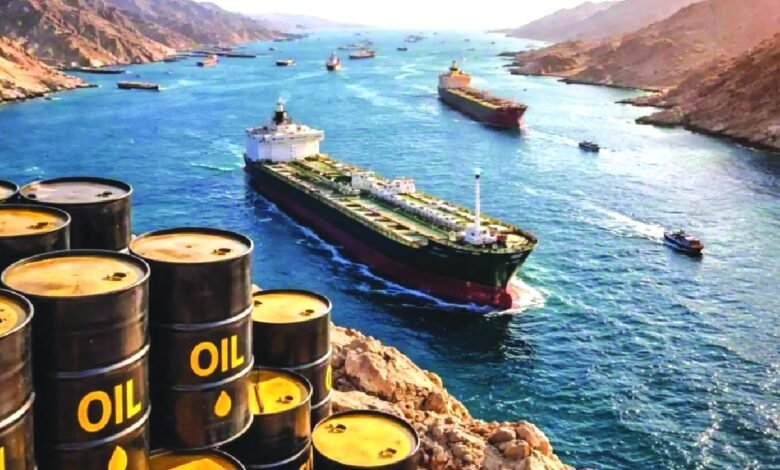
Oil Surges Above $97 as Strait of Hormuz Risks Drive Supply Fears

Today Markets Analysis
Crude oil traded above $97 per barrel on Friday and was on track for a weekly gain exceeding 6%, as escalating Middle East tensions increased concerns over the security of global oil supplies. Disruption risks around the Strait of Hormuz, rising tanker rates and a sharp drawdown in US crude inventories are providing support.
The market is increasingly focused on whether physical oil flows can be maintained through a critical shipping corridor. Emergency stock releases by the International Energy Agency (IEA) may help cushion the impact, but they cannot immediately eliminate the consequences of prolonged shipping disruption.
Market Snapshot
| Indicator | Latest Position |
|---|---|
| Crude oil | Above $97 per barrel |
| Weekly performance | On track for gains exceeding 6% |
| US crude inventories | Down 8.6 million barrels |
| IEA emergency release | Remaining 100 million barrels |
| Strait of Hormuz | Elevated shipping and security risks |
| Tanker rates | At record highs |
| Relative performance | WTI on track to outperform Brent |
Supply Outlook: Middle East Risks Dominate
The sinking of a Singapore-flagged container ship in the Strait of Hormuz, confirmed by US Central Command as having been hit by an Iranian projectile, has heightened uncertainty around maritime security and the recovery of physical oil flows.
The Strait of Hormuz is a critical route for global energy shipments. Any sustained disruption could delay deliveries, increase insurance and freight costs, and force buyers to seek alternative supplies.
Tensions involving Saudi Arabia and Iran-backed Houthi forces in Yemen add another layer of risk. Further attacks on commercial shipping or energy infrastructure could intensify the market’s supply concerns and drive prices higher.
IEA Emergency Releases Offer Some Relief
The IEA has agreed to proceed with the release of the remaining 100 million barrels from a coordinated intervention launched in March, following lobbying by US officials.
The additional supply could help offset some disruption and reassure buyers that emergency reserves remain available. However, releases from strategic stocks are a temporary buffer rather than a replacement for reliable production and transportation.
If shipping disruptions persist, the market could still face regional shortages and higher delivered prices despite the intervention.
US Crude Inventories Provide Further Support
US Energy Information Administration data showed crude inventories fell by 8.6 million barrels in the latest week, marking the largest decline since February.
The drawdown reinforces the bullish supply picture by indicating a tighter US crude balance. If further inventory declines coincide with elevated shipping costs and geopolitical uncertainty, prices could remain supported.
Traders will monitor upcoming inventory reports to determine whether the latest decline represents a continuing tightening trend or a temporary fluctuation.
Bullish Sentiment
- Strait of Hormuz disruption risk: Any sustained interruption to oil shipments could reduce immediately available supply and increase the risk premium.
- Record tanker rates: Higher freight costs increase the expense of moving crude and can widen regional price differences.
- Sharp US inventory draw: The 8.6-million-barrel decline signals a tighter domestic crude balance.
- Wider regional tensions: Escalation involving Saudi Arabia, Iran-backed Houthi forces or other regional actors could threaten additional energy flows.
Bearish Sentiment
- Emergency oil releases: Additional IEA supply could help offset shortages and limit further price increases.
- Disruption may remain contained: If shipping resumes and physical deliveries recover, some of the geopolitical premium could unwind.
- Higher prices can weaken demand: Sustained increases in crude and fuel costs may reduce consumption and economic activity.
- WTI supply flexibility: US crude exports and alternative shipping routes may provide some flexibility, although they cannot fully replace disrupted Middle Eastern flows.
Price Forecast: What Traders Are Watching
The immediate outlook remains sensitive to developments in the Strait of Hormuz, tanker availability, regional security and the pace of emergency oil releases.
A sustained move higher would become more likely if physical shipments are interrupted, tanker rates remain elevated and US inventories continue to fall. Conversely, a credible improvement in maritime security and a recovery in deliveries could trigger a pullback as traders remove some of the geopolitical risk premium.
The critical distinction is between threats to shipping and actual losses or delays in oil supply. Markets may react sharply to security developments, but a lasting price increase would be more likely if disruption materially reduces available barrels.
Why WTI Could Outperform Brent
West Texas Intermediate (WTI) was on track to outperform Brent over the week, supported by lower shipping costs for US crude and stronger demand for American barrels.
When freight costs and regional supply risks increase, buyers may favour crude that can be sourced and delivered more reliably. This can support WTI relative to Brent even while both benchmarks rise.
The spread between the two benchmarks will depend on US export availability, tanker costs, regional refining demand and the extent of any disruption to Middle Eastern supplies.
Market Outlook for the Coming Sessions
The balance of risks remains tilted to the upside while maritime security concerns persist and US inventories remain under pressure. The IEA release may limit the severity of a supply shock, but its effectiveness will depend on the timing and delivery of additional barrels.
If the Strait of Hormuz remains operational and emergency supplies reach the market, crude could retreat from recent highs. If shipping disruption spreads or physical flows deteriorate, prices could rise further and volatility could increase.
The next move will depend less on headlines alone and more on whether geopolitical risks translate into sustained disruption to actual oil deliveries.
Currency Hedger View
Higher oil prices can increase costs for airlines, transport companies, manufacturers and other energy-intensive businesses. For companies buying oil or refined products in US dollars, the combined effect of commodity prices and exchange-rate movements can create significant budget uncertainty.
Businesses should stress-test fuel costs against further price increases and assess their exposure to the US dollar. Appropriate currency hedging can help manage exchange-rate risk, although it does not remove the underlying commodity-price risk.
Open an account: Currency Hedger | Visit Currency Hedger
Contributor: Currency Hedger
Today Markets View
Crude oil is being driven by a combination of geopolitical risk, expensive shipping and tightening US inventories. Emergency stock releases provide a potential buffer, but they cannot guarantee uninterrupted global supply if maritime disruption intensifies.
Further gains are possible if oil flows deteriorate. A sustained de-escalation and a recovery in deliveries, however, could reverse part of the recent rally.
Analysis: Louis Roche – Today Markets
Disclaimer: This article is for informational and educational purposes only and does not constitute investment, trading or financial advice. Commodity markets are volatile and can respond rapidly to geopolitical events, inventory changes and supply disruptions. Forecasts are uncertain, and readers should conduct their own research before making financial decisions.