S&P 500 — US Large Cap Index
 FTSE 100 — UK Blue Chips
 Euro Stoxx 50 — Eurozone Leaders
 DAX 40 — German Equities
 CAC 40 — French Market Index
 Nikkei 225 — Japan Benchmark
 Hang Seng — Hong Kong Index
 Shanghai Composite — China Mainland
 ASX 200 — Australian Market
 TSX Composite — Canada Index
 Nifty 50 — India Large Cap
 STI Index — Singapore Market
 KOSPI — South Korea Index
 Bovespa — Brazil Equities
 JSE Top 40 — South Africa Index
 IPC Index — Mexico Market
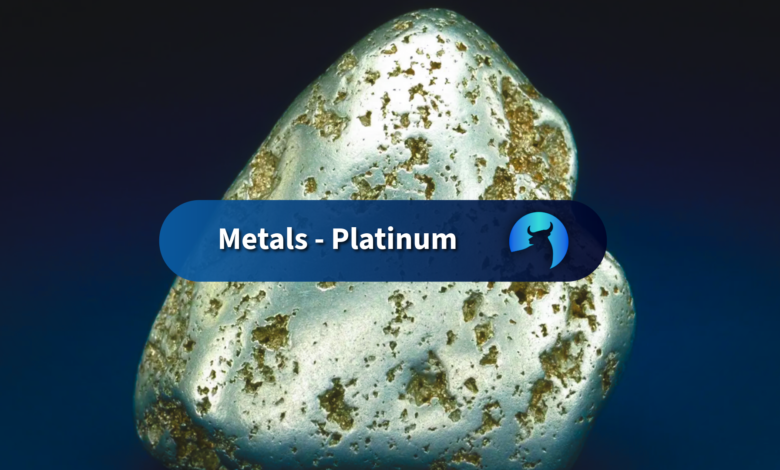
Platinum futures are trading back above $1,700 an ounce, recovering from recent multi-week lows as softer US employment data reduces expectations for another Federal Reserve rate hike this month. The weaker labour-market picture has eased some pressure from higher interest rates and lowered the opportunity cost of holding non-yielding precious metals.
However, the recovery remains measured. The US dollar remains firm, Treasury yields are elevated and higher oil prices continue to create inflation concerns, limiting the scope for a stronger platinum rebound. At the same time, platinum’s physical fundamentals remain mixed, with stronger industrial demand competing against weaker automotive consumption and a projected market surplus.
Market Snapshot
| Factor | Current Market View |
|---|---|
| Platinum Price | Above $1,700/oz |
| Recent Trend | Recovery from multi-week lows |
| US Jobs Data | Softer than expected |
| Fed Expectations | Reduced probability of another near-term hike |
| US Dollar | Remains firm |
| Treasury Yields | Elevated |
| Industrial Demand | Forecast to increase |
| Automotive Demand | Forecast to decline |
| 2026 Market Balance | Projected 265,000-ounce surplus |
Platinum Rebounds as Fed Expectations Shift
The immediate catalyst for platinum’s recovery is the changing US interest-rate outlook.
September employment growth was weaker than expected, while downward revisions to previous months reinforced evidence that labour-market conditions are becoming less robust. This reduces the likelihood that the Federal Reserve will need to maintain or increase monetary-policy pressure in the near term.
For platinum, this is important because the metal does not generate interest income. When real and nominal yields rise, investors face a greater opportunity cost from holding precious metals. A softer rate outlook can therefore improve the relative attractiveness of platinum.
The recovery is nevertheless being restrained by the broader strength of the US dollar and elevated Treasury yields.
US Dollar and Treasury Yields Remain Key Risks
The dollar remains an important headwind for platinum.
A stronger US currency generally makes dollar-denominated metals more expensive for international buyers, potentially limiting investment and physical demand. Elevated Treasury yields can also continue to compete with non-yielding precious metals for investor capital.
The next phase of platinum’s recovery will therefore depend partly on whether weaker US economic data translates into a sustained decline in bond yields and a softer dollar.
If that occurs, the monetary-policy environment could become increasingly supportive for platinum and other precious metals.
Industrial Demand Provides Structural Support
Platinum’s longer-term demand outlook remains supported by industrial applications.
The World Platinum Investment Council expects industrial platinum demand to increase by around 5% in 2026, with growth partly linked to the expansion of artificial-intelligence infrastructure.
The rapid development of AI infrastructure requires significant investment in data centres, electricity generation and associated industrial equipment. This creates additional demand across a range of industrial materials and provides a potential long-term support factor for platinum.
This structural theme is particularly important because it could offset some of the weakness expected from traditional automotive demand.
Automotive Demand Remains a Fundamental Headwind
Automotive demand remains one of the main challenges facing the platinum market.
The sector is expected to experience a decline of around 4% in 2026, reflecting structural changes in vehicle technology and the continuing transition toward electrification.
Platinum remains important for emissions-control systems in conventional and hybrid vehicles, but the long-term shift toward battery-electric vehicles reduces the addressable market for traditional autocatalyst demand.
This means that stronger industrial applications will need to increasingly compensate for weaker automotive consumption.
Platinum Market Faces a Projected Surplus
Despite the improving macroeconomic backdrop, the physical platinum market is not currently showing the same degree of tightness that would normally provide a strong fundamental price signal.
The WPIC expects the market to record a projected 265,000-ounce surplus in 2026.
A surplus does not necessarily prevent prices from rising, particularly when investment demand is strengthening, but it can limit the durability of rallies unless inventories begin to tighten or supply expectations deteriorate.
The balance between investment demand, industrial consumption and automotive demand will therefore remain central to the medium-term outlook.
Bullish Scenario
Platinum could extend its recovery if several factors develop simultaneously:
- US employment data continues to weaken.
- Expectations for further Fed tightening decline.
- Treasury yields move lower.
- The US dollar loses momentum.
- Industrial demand accelerates.
- AI-related infrastructure investment generates stronger platinum consumption.
- Physical inventories begin to tighten.
A sustained move above $1,700 could then attract additional momentum-driven buying and shift the short-term trend toward higher levels.
Bearish Scenario
The recovery could lose momentum if:
- US inflation remains elevated.
- Treasury yields stay high or move higher.
- The US dollar continues strengthening.
- The Federal Reserve retains a hawkish stance.
- Automotive platinum demand falls more sharply than expected.
- The projected market surplus persists.
- Investment demand fails to offset weaker physical consumption.
Under this scenario, the move above $1,700 could prove to be a temporary recovery rather than the beginning of a sustained uptrend.
Platinum Price Outlook
The short-term outlook has improved following the rebound above $1,700, particularly because the US labour-market data has reduced immediate expectations for another rate increase.
However, platinum needs to establish sustained momentum above this area before the recovery can be considered technically significant.
A continued decline in Treasury yields and a softer dollar would strengthen the bullish case. Conversely, renewed dollar strength or rising yields could quickly return platinum to defensive trading.
The market is therefore likely to remain highly sensitive to US economic data and changes in Federal Reserve expectations.
Supply Outlook
The supply outlook remains relatively balanced from a fundamental perspective.
With the market currently expected to remain in surplus, there is limited evidence of an immediate physical supply shortage capable of driving a major price expansion on its own.
However, any unexpected production disruptions, weaker mine supply or changes in recycling flows could tighten the balance and amplify the impact of improving investment demand.
Demand Outlook
Demand is becoming increasingly diversified.
Automotive consumption remains a structural concern, but industrial demand is expected to expand, while the growth of AI infrastructure could create an additional source of long-term platinum consumption.
Investment demand will remain particularly important because it can respond quickly to changes in interest rates, Treasury yields, the US dollar and broader precious-metals sentiment.
Louis Roche Analysis
Platinum is entering an important phase where macro conditions are becoming more supportive while physical fundamentals remain mixed.
The move back above $1,700 is significant because it demonstrates that weaker US employment data can quickly improve sentiment toward non-yielding metals. If the labour market continues to soften and the Federal Reserve becomes less inclined to maintain restrictive policy, platinum could attract additional investment flows.
However, I would not view the current move as a purely bullish fundamental signal.
The projected 265,000-ounce surplus and expected decline in automotive demand remain important constraints. The stronger medium-term argument for platinum comes from industrial consumption, particularly the increasing investment associated with AI infrastructure.
The key question for the market is therefore whether improving investment and industrial demand can increasingly compensate for weaker automotive consumption.
For now, the recovery above $1,700 improves the near-term technical picture, but sustained gains will require confirmation from lower yields, a softer dollar and stronger physical demand.
Coming Sessions
Markets will continue to focus on incoming US economic data and its implications for Federal Reserve policy.
Particular attention should remain on:
- US employment and inflation indicators
- Treasury-yield movements
- Federal Reserve commentary
- US dollar direction
- Industrial-metal sentiment
- Platinum investment flows
- Automotive demand expectations
- Developments in AI and data-centre infrastructure investment
The interaction between monetary policy and platinum’s underlying physical balance is likely to determine whether the current recovery develops into a broader trend.
Currency Hedger View
Currency Hedger monitors foreign exchange markets alongside broader commodity and macroeconomic conditions, helping businesses assess and manage their international currency exposure.
Open an account with Currency Hedger:
Open a Currency Hedger Account
Visit Currency Hedger:
Contributor: Currency Hedger
Market analysis prepared for Today Markets. For informational purposes only and not intended as investment, trading, financial or commodity advice.