S&P 500 — US Large Cap Index
 FTSE 100 — UK Blue Chips
 Euro Stoxx 50 — Eurozone Leaders
 DAX 40 — German Equities
 CAC 40 — French Market Index
 Nikkei 225 — Japan Benchmark
 Hang Seng — Hong Kong Index
 Shanghai Composite — China Mainland
 ASX 200 — Australian Market
 TSX Composite — Canada Index
 Nifty 50 — India Large Cap
 STI Index — Singapore Market
 KOSPI — South Korea Index
 Bovespa — Brazil Equities
 JSE Top 40 — South Africa Index
 IPC Index — Mexico Market
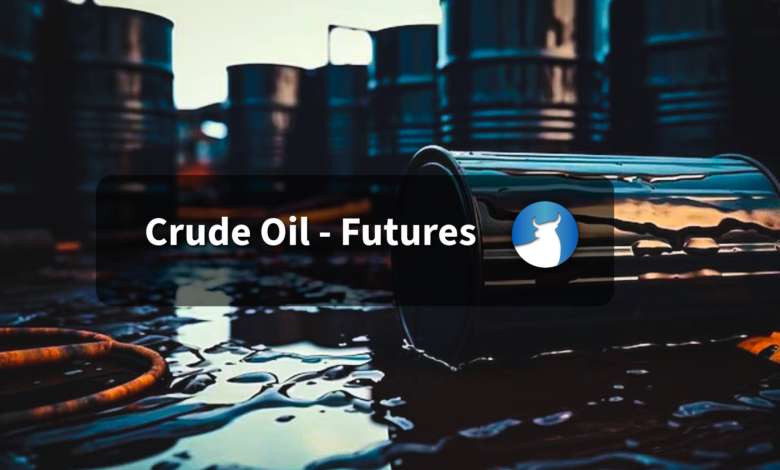
- WTI gains some positive traction on Tuesday amid the uncertainty over US-Iran peace talks.
- The US-Iran standoff over the Strait of Hormuz fuel supply concerns and also lends support.
- The lack of follow-through buying warrants caution before placing aggressive bullish bets.
West Texas Intermediate (WTI) – the benchmark US Crude Oil price – edges higher during the Asian session on Tuesday and looks to build on the overnight bounce following an intraday slump to levels below mid-$77.00s. The commodity currently trades around the $79.40 region, up 0.75% for the day, though it lacks bullish conviction amid the uncertainty over the ongoing war in the Middle East.
In the latest developments, Iran said on Monday there were no talks underway with the US, and there is no plan for any meetings. This contradicted US President Donald Trump, who has cited resumption of negotiations as justification for calling off attacks over the weekend. Moreover, unconfirmed reports of drone strikes on US assets in Kuwait temper hopes for a potential US-Iran peace deal, prompting traders to price in the geopolitical risk premium and offering some support to crude oil prices.
Meanwhile, Mohsen Rezaee, a senior military adviser to Iran’s Supreme Leader, said that Tehran will not permit any shipping route through the strategic waterway other than the one designated by the Islamic Republic. Rezaee further warned that US vessels and forces could face serious risk and casualties if the current standoff over the strategic waterway continues. Adding to this, the Iran-backed Houthi rebels’ naval blockade against Saudi Arabia further raises concerns regarding global energy supplies.
Rabobank’s Benjamin Picton characterises the recurring tensions around the Strait of Hormuz as a kind of “Groundhog Day” for markets, warning that “later in the week strikes typically resume, oil prices rally, equities sell, and bond yields rise.” He cautions that there is “every chance of that happening this week,” even though, for now, the prevailing impression is one of “‘strikes for strikes’,” with investors wary that the familiar pattern of renewed action and risk-off moves could yet reassert itself.
This largely overshadows the OPEC+ decision on Sunday to raise production from September and acts as tailwind for crude oil prices. The lack of strong follow-through buying, however, warrants some caution before placing fresh bullish bets on the commodity and positioning for any meaningful appreciation.