S&P 500 — US Large Cap Index
 FTSE 100 — UK Blue Chips
 Euro Stoxx 50 — Eurozone Leaders
 DAX 40 — German Equities
 CAC 40 — French Market Index
 Nikkei 225 — Japan Benchmark
 Hang Seng — Hong Kong Index
 Shanghai Composite — China Mainland
 ASX 200 — Australian Market
 TSX Composite — Canada Index
 Nifty 50 — India Large Cap
 STI Index — Singapore Market
 KOSPI — South Korea Index
 Bovespa — Brazil Equities
 JSE Top 40 — South Africa Index
 IPC Index — Mexico Market
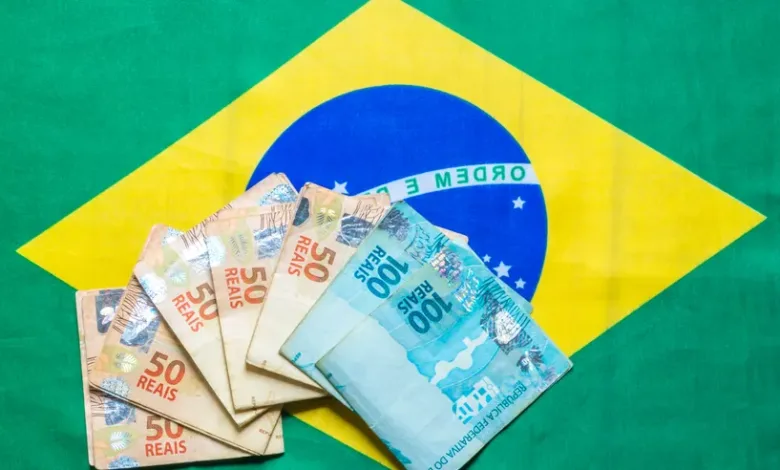
The Brazilian real is trading around 5.12 per US dollar, with the currency finding some support despite a more complicated domestic inflation picture and a narrowing interest-rate differential with the United States.
Brazilian mid-month headline inflation accelerated to 4.47% year over year in September, up from 4.24% previously and above the 4.30% market consensus. The stronger-than-expected reading puts renewed focus on whether the Central Bank of Brazil can continue reducing interest rates without allowing inflation expectations to deteriorate.
The Banco Central do Brasil reduced the Selic rate by 25 basis points to 13.75% at its September meeting, while leaving its next policy steps open. The more hawkish tone of the Copom minutes has increased the importance of upcoming inflation and activity data for the real.
Market Snapshot
| Factor | Current Market Situation |
|---|---|
| USD/BRL | Around 5.12 |
| Brazilian Real | Slightly stronger |
| September Mid-Month Inflation | 4.47% y/y |
| Previous Inflation | 4.24% y/y |
| Market Consensus | 4.30% |
| Selic Rate | 13.75% |
| Latest BCB Move | 25 bp cut |
| US Monetary Policy | Fed tightening remains a dollar-supportive factor |
| Key Currency Driver | Brazil-US interest-rate differential |
| Main Risk | Persistent inflation limiting further BCB easing |
Current Brazilian Real Price Action
USD/BRL is trading near 5.12, with the real showing modest strength following the latest inflation release.
The currency response is notable because the inflation data itself was stronger than expected. Higher inflation can normally pressure a currency if it raises concerns about domestic economic stability, but in Brazil it can also reduce expectations for further interest-rate cuts.
That distinction is important for the real. If inflation remains above the central bank’s preferred range, Brazilian interest rates may need to remain elevated for longer, potentially preserving some of the currency’s carry advantage.
At the same time, the US dollar continues to benefit from relatively firm US monetary-policy expectations, limiting the room for sustained BRL appreciation.
Brazilian Inflation Moves Back Above the Target Ceiling
Brazil’s mid-month headline inflation increased to 4.47% year over year, returning the 12-month rate above the upper boundary of the Banco Central do Brasil’s target range.
The acceleration from 4.24% and the upside surprise relative to the 4.30% consensus make the inflation trajectory particularly important for the next stage of monetary policy.
Persistent price pressures could make the central bank more cautious about additional rate reductions.
For the real, this creates a complicated dynamic. Higher inflation is fundamentally a challenge, but if it prevents the BCB from cutting rates as aggressively as previously anticipated, the resulting interest-rate support can provide a counterweight to those inflationary pressures.
Selic Rate and the BCB Outlook
The Banco Central do Brasil reduced the Selic rate by 25 basis points to 13.75% in September.
The decision leaves Brazil with a substantial nominal interest rate, but the direction of policy is becoming increasingly important for the currency.
The latest Copom minutes were more hawkish than expected, suggesting that policymakers remain attentive to persistent inflation risks.
If inflation continues to surprise to the upside, the BCB could adopt a more cautious approach to additional easing. This would potentially keep Brazilian yields attractive relative to other major markets.
Conversely, a sustained moderation in inflation could give policymakers greater flexibility to continue the easing cycle, reducing one of the real’s sources of support.
US Dollar and the Interest-Rate Differential
The US Federal Reserve remains an important external driver of USD/BRL.
The Fed raised its federal funds target range at its latest meeting, maintaining pressure on the interest-rate differential between Brazil and the United States.
Although Brazilian rates remain substantially higher, the direction of the differential matters for international capital flows.
If US yields continue rising while Brazilian rates decline, the relative attractiveness of Brazilian fixed-income assets could gradually weaken.
The real therefore needs to balance Brazil’s still-high interest rates against the possibility of a less favourable rate differential in the months ahead.
Oil Prices and External Conditions
Oil prices have recently moved lower, easing some of the energy-related inflation pressure facing the global economy.
For Brazil, lower energy prices can have mixed effects. Reduced energy costs can help contain domestic inflation, potentially giving the central bank greater flexibility over time. However, Brazil is also a major commodity exporter, meaning changes in global commodity prices can influence export revenues, fiscal expectations and investor sentiment.
Global bond yields also remain important.
Higher international yields can draw capital toward developed-market assets and place pressure on emerging-market currencies. A reversal in the recent global yield rally could therefore provide some relief for the Brazilian real.
Bullish Sentiment
1. Inflation Could Slow the BCB Easing Cycle
The stronger-than-expected 4.47% inflation reading could encourage the central bank to adopt a more cautious approach to further rate cuts, helping preserve Brazil’s interest-rate advantage.
2. Very High Brazilian Interest Rates
With the Selic rate at 13.75%, Brazilian assets continue to offer a substantial nominal yield compared with many developed markets.
3. More Hawkish Copom Communication
The stronger-than-expected tone of the latest minutes could reinforce expectations that policymakers will prioritise inflation control.
4. Lower Oil Prices Reduce Inflation Pressure
A decline in oil prices could ease energy-related inflation pressures and improve the domestic inflation outlook if the move persists.
Bearish Sentiment
1. Narrowing Rate Differential
Continued Brazilian rate cuts combined with firm US rates could reduce the real’s yield advantage.
2. US Dollar Strength
Higher US yields and expectations for tighter Federal Reserve policy can maintain demand for the dollar against emerging-market currencies.
3. Inflation Above the Target Ceiling
The return of 12-month inflation above the upper limit of the BCB’s target range highlights persistent domestic price pressures.
4. Global Yield Pressure
Higher developed-market bond yields can reduce capital flows toward emerging markets, creating additional pressure on BRL.
5. External Market Volatility
Changes in global risk appetite, commodity prices and US monetary expectations can generate rapid moves in emerging-market currencies.
Price Forecast: What Traders Are Watching
USD/BRL is currently centred around the 5.12 area, with traders assessing whether Brazil’s inflation surprise will produce a lasting change in expectations for monetary policy.
A more hawkish BCB outlook combined with continued high Brazilian yields could support the real and keep USD/BRL contained.
However, a renewed increase in US yields or evidence that the Federal Reserve intends to maintain a restrictive policy stance for longer could strengthen the dollar and place renewed upward pressure on USD/BRL.
The key variable is therefore the future path of the Brazil-US interest-rate differential. Inflation data will determine how much room the BCB has to continue cutting rates, while US economic data will influence the other side of the equation.
Supply Outlook
Currency supply is being influenced by Brazil’s capital flows, commodity exports and the relative attractiveness of Brazilian financial assets.
High domestic interest rates can attract foreign capital and support demand for the real. However, continued monetary easing could gradually reduce this advantage if Brazilian yields decline faster than US rates.
Commodity export revenues remain another important source of foreign-currency flows into Brazil.
Demand Outlook
Demand for the Brazilian real will depend heavily on the interaction between domestic yields and global risk appetite.
If inflation remains elevated enough to slow the BCB easing cycle, Brazilian assets could continue attracting carry-focused investors.
Conversely, stronger US yields or a broader shift toward dollar-denominated assets could increase demand for USD and reduce support for BRL.
Global commodity conditions will also remain important because Brazil’s external accounts are closely connected to agricultural, energy and mineral exports.
Market Outlook for the Coming Sessions
The Brazilian real is entering the next phase with monetary policy at the centre of the outlook.
The latest inflation reading has increased the importance of upcoming price data and BCB communication. If inflation remains stubbornly above target, expectations for rapid rate cuts could continue to fade, potentially providing support for the real.
At the same time, the Federal Reserve and US Treasury market remain critical external influences. Higher US yields could offset Brazil’s domestic rate advantage, particularly if global investors become more defensive toward emerging-market assets.
For USD/BRL, traders will therefore monitor Brazilian inflation, Copom guidance, US yields, Federal Reserve expectations, oil prices and global risk appetite as the main drivers of the next sustained move.
Currency Hedger View
The Brazilian real demonstrates why currency exposure cannot be separated from interest rates, inflation and global markets.
For companies receiving or making payments in BRL, changes in the Brazil-US rate differential can affect exchange rates even when the underlying commercial transaction remains unchanged. Inflation, central-bank decisions, oil prices and global bond yields can all alter the currency environment.
Currency Hedger combines international currency exchange and payment services with market awareness, helping businesses and individuals understand the forces influencing their currency requirements.
For companies with Brazilian suppliers, customers, investments or future BRL payments, monitoring interest-rate differentials, inflation and global risk sentiment can help provide a clearer framework for managing FX exposure.
Analysis Louis Roche – Today Markets
The Brazilian real is currently being supported by a combination of high domestic interest rates and expectations that stronger inflation could slow the pace of monetary easing. However, this support is being tested by the narrowing Brazil-US interest-rate differential and continued strength in global yields.
The next stage of the USD/BRL outlook will depend on whether Brazilian inflation remains persistent enough to keep the BCB cautious while US monetary policy remains restrictive.
For businesses exposed to the Brazilian real, the key consideration is therefore not simply the current 5.12 exchange rate, but how changes in inflation, interest rates, commodities and global capital flows could alter the currency’s trading environment.
Louis Roche – Today Markets