S&P 500 — US Large Cap Index
 FTSE 100 — UK Blue Chips
 Euro Stoxx 50 — Eurozone Leaders
 DAX 40 — German Equities
 CAC 40 — French Market Index
 Nikkei 225 — Japan Benchmark
 Hang Seng — Hong Kong Index
 Shanghai Composite — China Mainland
 ASX 200 — Australian Market
 TSX Composite — Canada Index
 Nifty 50 — India Large Cap
 STI Index — Singapore Market
 KOSPI — South Korea Index
 Bovespa — Brazil Equities
 JSE Top 40 — South Africa Index
 IPC Index — Mexico Market

European Natural Gas Prices Forecast: EU Gas Surges 7% Towards €95 as Colder Weather and Supply Risks Intensify

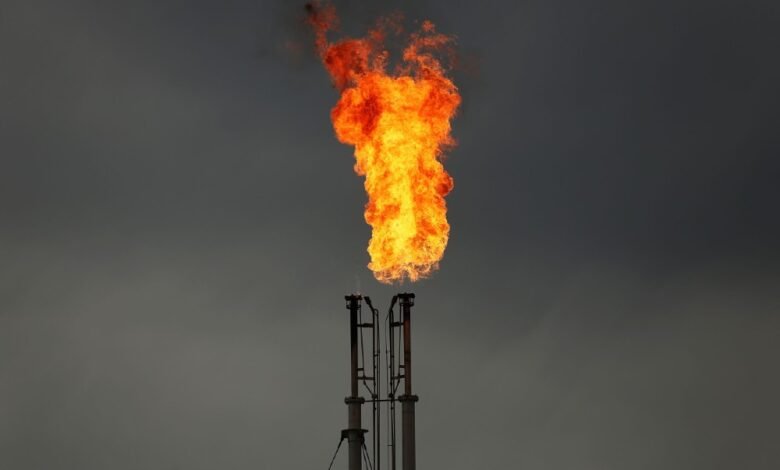
European natural gas prices surged more than 7% on Monday, climbing towards €95/MWh and reaching their highest level in three weeks as colder weather forecasts heightened concerns over the region’s already fragile supply balance.
Temperatures across Northwestern Europe are expected to fall below seasonal averages over the coming week, raising the prospect of stronger heating demand and faster withdrawals from underground storage. With European storage levels already below historical norms, the prospect of increased consumption has heightened concerns about the region’s ability to maintain adequate supplies through the winter.
Additional pressure is coming from geopolitical risks around the Strait of Hormuz and reduced Norwegian pipeline deliveries, further tightening the supply outlook.
Market Snapshot
| Indicator | Latest Position |
|---|---|
| European natural gas prices | Near €95/MWh |
| Daily movement | More than 7% higher |
| Price performance | Highest in three weeks |
| European storage levels | Below 70% full |
| Summer storage injections | 51.2 billion cubic metres |
| Net withdrawals since late October | Around 11% of summer injections |
| Weather outlook | Below-average temperatures in Northwestern Europe |
| Key supply risks | Strait of Hormuz disruption and reduced Norwegian flows |
Colder Weather Forecasts Increase Heating Demand
The immediate catalyst for Monday’s rally was a deterioration in the European weather outlook. Forecasts indicate that temperatures across Northwestern Europe could fall below seasonal averages over the coming week, potentially increasing heating requirements across major gas-consuming markets.
Colder conditions typically accelerate withdrawals from underground storage as households and businesses increase consumption. With inventories already below 70% of capacity, a sustained period of colder weather could place additional pressure on the region’s remaining reserves.
The market is therefore becoming increasingly sensitive to changes in temperature forecasts. Any further downward revisions to expected temperatures could reinforce expectations of stronger demand and support additional gains in natural gas prices.
European Gas Storage Below 70% Raises Supply Concerns
European storage facilities entered the heating season with 51.2 billion cubic metres of gas injected during the summer. However, since the heating season began in late October, countries across the region have withdrawn a net volume equivalent to approximately 11% of those injections.
Storage levels have consequently fallen below 70% full, leaving the region with a more limited buffer against prolonged cold weather or unexpected supply disruptions.
The combination of rising heating demand and lower-than-historical inventory levels is increasing the importance of daily storage withdrawals. If consumption accelerates faster than expected, European buyers may face greater competition for available pipeline gas and liquefied natural gas (LNG) cargoes.
Strait of Hormuz Tensions Threaten LNG Supplies
Geopolitical risks are adding another layer of uncertainty to the European gas market. Persistent tensions and continued attacks on vessels around the Strait of Hormuz are raising concerns about prolonged disruptions to LNG shipments from the region.
The waterway is strategically important to international energy transportation. Any extended disruption could complicate LNG supply routes and intensify competition between importing regions for available cargoes.
For Europe, the risk is particularly significant given the existing pressure on storage inventories and the prospect of stronger winter heating demand. Continued disruption could therefore amplify the impact of colder weather on regional gas prices.
Norwegian Pipeline Flows Add to Supply Constraints
European supply conditions are also being affected by reduced Norwegian pipeline flows, partly linked to an outage at the Troll gas field.
Norway is an important supplier of pipeline gas to European markets, meaning interruptions to production or deliveries can have an immediate impact on regional availability.
The combination of lower Norwegian flows, potential LNG shipment disruptions and increased heating requirements is creating a more challenging supply environment. Any prolonged reduction in pipeline deliveries could leave European buyers more exposed to fluctuations in LNG availability and weather-related demand.
Bullish Sentiment
- Colder weather forecasts: Below-average temperatures across Northwestern Europe could increase heating demand and accelerate storage withdrawals.
- Low storage inventories: European facilities are already less than 70% full, leaving a reduced buffer against stronger winter consumption.
- Strait of Hormuz disruption risks: Continued attacks on vessels and geopolitical tensions threaten LNG shipment reliability.
- Reduced Norwegian flows: The outage at the Troll gas field is contributing to lower pipeline deliveries, tightening available supply.
- Rapid price momentum: Monday’s gain of more than 7% and the move towards €95/MWh highlight growing market sensitivity to supply risks.
Bearish Sentiment
- Weather forecast changes: Any moderation in expected cold conditions could reduce heating demand expectations and ease pressure on prices.
- Storage withdrawals: Although inventories are below 70%, the pace of future withdrawals will determine how quickly the supply buffer deteriorates.
- Supply disruption uncertainty: The extent and duration of LNG shipment interruptions and reduced Norwegian flows remain uncertain.
- Sharp recent rally: The more than 7% advance increases the possibility of profit-taking if weather or supply concerns begin to ease.
European Natural Gas Price Forecast: What Traders Are Watching
European natural gas prices are approaching €95/MWh, with traders focused on the interaction between colder weather, storage withdrawals and international supply disruptions.
The immediate priority is the Northwestern European temperature outlook. Further forecasts for below-average temperatures could strengthen expectations of higher heating consumption and accelerate withdrawals from already depleted storage facilities.
Developments around the Strait of Hormuz will also remain important. Any evidence of prolonged disruption to LNG shipments could increase competition for alternative supplies and reinforce the current upward pressure.
Meanwhile, traders will monitor Norwegian pipeline flows and the duration of the Troll gas field outage. A recovery in deliveries could help ease regional supply concerns, while continued restrictions would leave the market more vulnerable to stronger demand.
Market Outlook for the Coming Sessions
The near-term outlook for European natural gas remains bullish, with prices supported by colder weather expectations, storage levels below 70% and concerns over both LNG and Norwegian pipeline supplies.
The move towards €95/MWh demonstrates how sensitive the market has become to potential winter supply shortages. If temperatures fall as forecast and supply disruptions persist, prices could remain elevated and potentially extend their advance.
However, the sustainability of the rally will depend on the actual pace of storage withdrawals, the development of weather conditions and whether LNG and Norwegian deliveries recover.
For the coming sessions, the balance of risks remains tilted to the upside while colder weather and supply uncertainty persist. Any improvement in temperatures or supply availability could trigger a correction, but the combination of low inventories and geopolitical risks leaves European gas markets vulnerable to further volatility.
Currency Hedger – Manage Your Currency Exposure
Energy price volatility can affect international procurement costs, operating expenses and cross-border payments. Businesses exposed to global energy markets can use currency hedging strategies to manage foreign exchange risk and improve visibility over future payment obligations.
Disclaimer: This article is for informational and educational purposes only and does not constitute investment advice, financial advice or a recommendation to buy or sell any financial instrument. Energy commodities and derivatives involve significant risk and may not be suitable for all investors. Market conditions and forecasts can change rapidly. Readers should conduct their own research and seek independent professional advice before making financial decisions.