S&P 500 — US Large Cap Index
 FTSE 100 — UK Blue Chips
 Euro Stoxx 50 — Eurozone Leaders
 DAX 40 — German Equities
 CAC 40 — French Market Index
 Nikkei 225 — Japan Benchmark
 Hang Seng — Hong Kong Index
 Shanghai Composite — China Mainland
 ASX 200 — Australian Market
 TSX Composite — Canada Index
 Nifty 50 — India Large Cap
 STI Index — Singapore Market
 KOSPI — South Korea Index
 Bovespa — Brazil Equities
 JSE Top 40 — South Africa Index
 IPC Index — Mexico Market
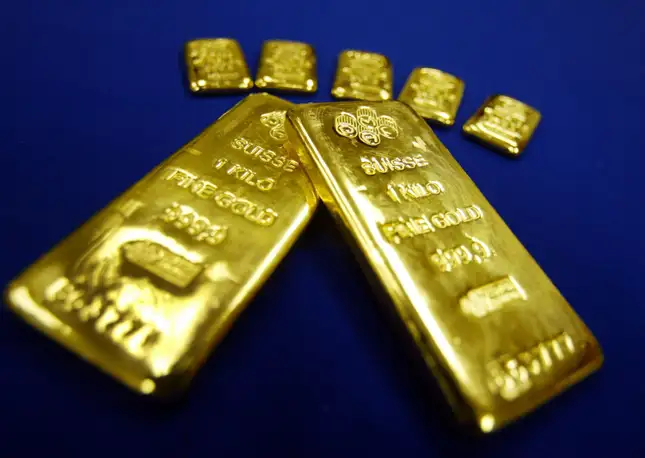
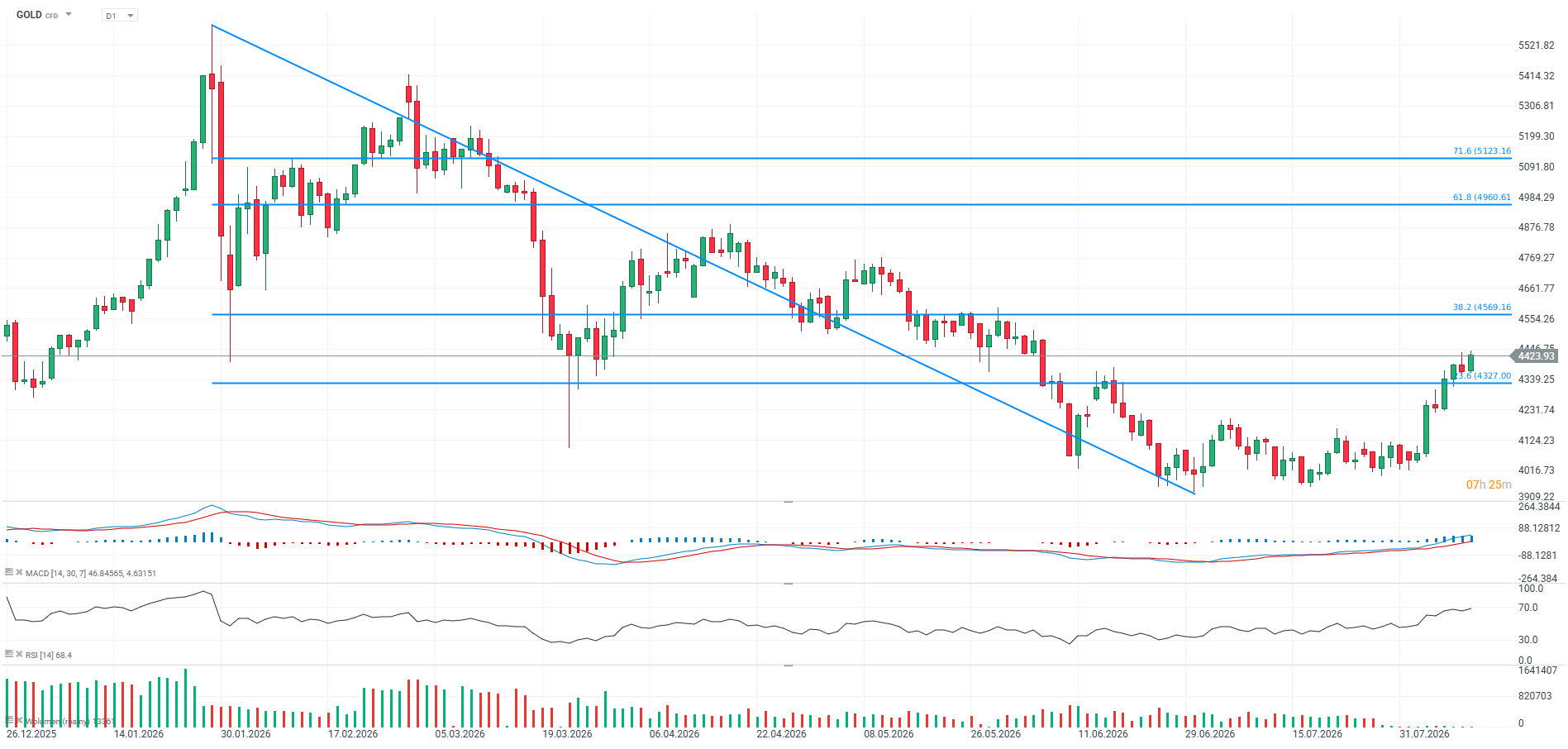
Precious metals rise following U.S. CPI data Gold prices are up more than 1.5% and remain close to their highest levels in around two months following the release of the July U.S. CPI report. The data came in line with expectations: headline CPI rose 0.1% m/m and 3.4% y/y, while core inflation stood at 0.2% m/m and 2.5% y/y. The absence of an upside inflation surprise is supportive for precious metals, as following the earlier weakness in U.S. labor market data, it reduces pressure on the Fed to raise interest rates again as soon as September. Gold is trading around $4,420 per ounce.
- Following the CPI release, futures markets are pricing in around a 60% probability that the Fed will leave rates unchanged in September, compared with just over 45% a week earlier. This is an important shift for gold, as a lower risk of further rate increases reduces the opportunity cost of holding a non-yielding asset.
- Today’s move extends the stronger momentum already visible after the weaker U.S. jobs report. Gold posted its strongest weekly performance since January last week and on Tuesday reached its highest level since June 5.
- Demand factors unrelated directly to Fed policy also remain important. Renewed ETF inflows, central bank purchases and strong demand from China are supporting the market, helping gold remain resilient even amid persistent pressure from elevated energy prices.
- Inflation risks have not disappeared entirely. Oil remains expensive amid tensions surrounding the Strait of Hormuz, and persistently high fuel prices could complicate the disinflation process in the coming months and limit the Fed’s room to ease monetary policy.
- Gold’s reaction nevertheless suggests that investors are currently placing greater weight on the combination of a softer labor market and CPI coming in line with consensus. Unless upcoming data show a renewed acceleration in price pressures, expectations for another near-term Fed rate hike may gradually fade.
From the perspective of the gold market, today’s CPI report can therefore be viewed as moderately positive. The data were not weak enough to fundamentally change the Fed’s narrative, but at the same time they provided no argument for an urgent continuation of monetary tightening. This matters in the current market environment: gold is benefiting simultaneously from a lower risk of further rate hikes, institutional demand and persistent geopolitical uncertainty. The key question now is whether the metal can use this backdrop to stage a sustained breakout above its recent local highs.
Gold chart (D1 interval)
Source: xStation5