S&P 500 — US Large Cap Index
 FTSE 100 — UK Blue Chips
 Euro Stoxx 50 — Eurozone Leaders
 DAX 40 — German Equities
 CAC 40 — French Market Index
 Nikkei 225 — Japan Benchmark
 Hang Seng — Hong Kong Index
 Shanghai Composite — China Mainland
 ASX 200 — Australian Market
 TSX Composite — Canada Index
 Nifty 50 — India Large Cap
 STI Index — Singapore Market
 KOSPI — South Korea Index
 Bovespa — Brazil Equities
 JSE Top 40 — South Africa Index
 IPC Index — Mexico Market
Lithium Prices Crash to 10-Month Low at CNY 100,000 as China Oversupply and EV Demand Concerns Weigh on Market

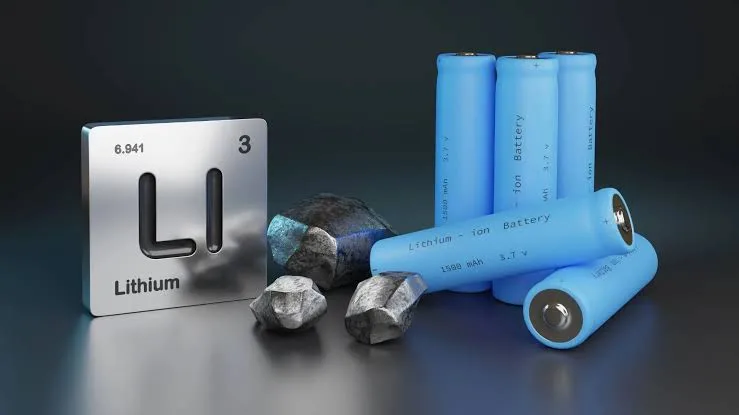
Today Markets Analysis | Lithium | Battery Metals | Electric Vehicles | Commodities
Lithium carbonate prices in China have fallen to CNY 100,000 per tonne in October, their lowest level in nearly ten months, as concerns over softer battery demand combine with ample supply and rising reported inventories. The decline highlights the challenges facing the lithium market as battery manufacturers reassess purchasing requirements and producers restore previously suspended mining operations.
Demand uncertainty is also emerging from Europe’s electric vehicle market, with the European Commission set to cap annual imports of Chinese hybrid electric vehicles at 350,000 units from next year. Meanwhile, revised Chinese inventory calculations have significantly increased estimates of available stockpiles, adding to concerns that supply could exceed near-term consumption.
Market Snapshot
| Market Indicator | Latest Reported Position |
|---|---|
| Chinese lithium carbonate price | CNY 100,000 per tonne |
| Price trend | Lowest in nearly ten months |
| Chinese lithium inventories | Revised higher following a methodology change |
| Reported inventory adjustment | Increase of 175,000 tonnes |
| EU import measure | Annual cap of 350,000 Chinese hybrid electric vehicles |
| Australian supply outlook | Bald Hill and Finniss projects restarting |
Figures reflect the supplied market report and are not independently verified.
Current Lithium Price Action
Lithium carbonate prices are under pressure as the market reassesses the balance between battery-sector demand and available supply. The decline to CNY 100,000 per tonne indicates that buyers are becoming more cautious amid concerns about inventory accumulation and the pace of electric vehicle demand.
The revised inventory figures are particularly significant. Industry group SMM changed its methodology for compiling Chinese lithium inventory data, resulting in an additional 175,000 tonnes being reflected in stockpile estimates, approximately double previous estimates.
This adjustment does not necessarily mean that an equivalent volume of new physical lithium entered the market during the period. Instead, it highlights how changes in inventory measurement can alter perceptions of supply availability and influence market sentiment.
With prices already under pressure, evidence of larger available stocks could encourage battery manufacturers to delay purchases or negotiate more aggressively, potentially limiting any near-term recovery.
Supply Outlook: Australian Lithium Production Returns
The resumption of operations at Australian lithium projects adds another important dimension to the market outlook.
Mineral Resources has restarted the Bald Hill lithium mine following an 18-month suspension, while Core Lithium has restarted its Finniss project. These developments indicate that additional production capacity could return to the market as operating conditions and commercial considerations evolve.
Restarting previously suspended mines can be faster than developing entirely new projects, although actual output depends on ramp-up schedules, operating costs, processing performance and market conditions.
If production increases while Chinese inventories remain elevated, the additional supply could prolong downward pressure on lithium prices. Conversely, persistently weak prices could eventually encourage higher-cost producers to reduce output or reconsider expansion plans, helping the market move towards balance over time.
Demand Outlook: Electric Vehicle Policy Adds Uncertainty
Demand expectations are becoming increasingly important for lithium prices as the electric vehicle industry adjusts to changing policy and commercial conditions.
The European Commission is set to cap imports of Chinese hybrid electric vehicles at 350,000 units annually from next year, according to the supplied report. The Commission expects the measure to reduce China’s market share across the bloc substantially.
If the policy results in fewer vehicle orders or lower production requirements among manufacturers supplying the European market, battery demand could weaken at the margin. However, the effect on lithium consumption will depend on vehicle production decisions, alternative sourcing arrangements and demand for other electric vehicle categories.
The distinction between hybrid, plug-in hybrid and fully electric vehicles is also important when assessing lithium demand because battery sizes and chemistries differ. The reported import cap should therefore not be treated as a direct measure of the reduction in lithium consumption.
Bullish Sentiment: Factors That Could Support Lithium Prices
- Producer supply adjustments: Sustained low prices could encourage higher-cost mines to suspend operations or reduce output, limiting future supply growth.
- Long-term electrification demand: Continued adoption of electric vehicles and battery storage could support lithium consumption over the longer term, even if near-term demand fluctuates.
- Inventory normalisation: If battery manufacturers increase purchasing and available stockpiles decline, the market could begin to recover from current oversupply concerns.
- Improved battery demand: Stronger vehicle production, improved consumer demand or increased energy-storage investment could absorb additional lithium supply.
- Supply-side discipline: If producers delay expansions or limit output in response to weak prices, the market could move towards a more balanced supply-demand position.
Bearish Sentiment: Risks to Lithium Prices
- Elevated Chinese inventories: Higher reported stockpiles suggest that readily available supply may be sufficient to meet near-term requirements without significant additional purchasing.
- Mine restarts: Renewed production at Bald Hill and Finniss could increase available supply if output ramps up while demand remains subdued.
- Weaker battery orders: Cautious purchasing by battery manufacturers could extend the downturn if inventories remain high and downstream consumption disappoints.
- European trade restrictions: Changes to Chinese hybrid vehicle imports could affect production plans and battery supply chains, creating additional uncertainty around regional demand.
- Price-driven purchasing delays: Expectations of further price declines could encourage buyers to postpone procurement, potentially reinforcing downward momentum.
Lithium Price Forecast: What Traders Are Watching
The near-term lithium outlook remains vulnerable while inventories are elevated and producers restore supply. The CNY 100,000-per-tonne level provides a key reference point for monitoring price behaviour, but it should not be treated as confirmed technical support.
A sustained recovery would require clearer evidence that demand is absorbing available supply. Falling inventories, stronger battery production and improved electric vehicle sales could help stabilise prices.
Conversely, further inventory accumulation or stronger-than-expected mine output could expose lithium to additional downside pressure. Traders will also monitor changes in Chinese battery production, procurement activity and the pace at which Australian projects return to normal operations.
Supply Outlook
The supply side remains the central issue for lithium prices. China continues to play a significant role in lithium processing and battery supply chains, while Australian producers contribute important raw-material volumes.
The return of suspended mines increases the potential for additional supply, although the impact will depend on actual production volumes and operating conditions. Producers may face difficult decisions if prices remain below levels required to support attractive project economics.
Over the medium term, sustained low prices could lead to reduced investment, project delays or production cuts. These adjustments may eventually tighten the market, but the timing will depend on how quickly supply responds to weak pricing and whether demand improves.
Demand Outlook
Lithium demand remains closely linked to electric vehicle production, battery manufacturing and energy-storage deployment.
Near-term demand could remain subdued if manufacturers continue drawing down inventories rather than placing new orders. Changes in European vehicle policy may also influence production and sourcing decisions, although the impact on total lithium consumption will depend on how manufacturers adapt.
Longer-term demand prospects remain connected to electrification and energy-storage investment. However, growth in end-market adoption does not automatically prevent short-term price declines when supply expands faster than consumption.
The critical indicator will be whether battery manufacturers begin increasing purchases sufficiently to absorb existing inventories and additional production from restarted mines.
Market Outlook for the Coming Sessions
Lithium prices face a challenging near-term environment as higher reported inventories, cautious battery demand and renewed Australian production weigh on sentiment.
The inventory revision is especially important because it changes the market’s understanding of available supply, even though the adjustment itself reflects a methodological change rather than necessarily representing newly produced material.
If battery orders remain subdued while Bald Hill and Finniss increase output, lithium prices could remain under pressure. A more sustained recovery would require evidence of inventory drawdowns, improving downstream demand or production adjustments that reduce the surplus.
Market participants should monitor Chinese lithium prices, inventory data, battery manufacturing activity, electric vehicle sales and the pace of Australian mine restarts to assess whether the market is moving towards balance.
Currency Hedger View
Lithium price movements can affect the revenues, operating margins and investment decisions of mining companies, battery manufacturers and businesses involved in international supply chains. For companies trading across Australia, China and Europe, commodity-price changes can interact with movements in the Australian dollar, Chinese yuan and euro.
Businesses with cross-border supplier payments or commodity-linked revenues should consider both the underlying lithium price and the currency in which transactions are settled. Changes in exchange rates can amplify or offset movements in commodity prices, affecting purchasing costs and realised revenues.
Currency Hedger helps businesses manage foreign-exchange exposure through international payment solutions and currency risk management services.
Open an account: Currency Hedger Onboarding
Visit: currencyhedger.com
Contributor: Currency Hedger
Today Markets View
Lithium’s decline to CNY 100,000 per tonne reflects growing concern that available supply may exceed near-term demand. Higher reported Chinese inventories and the restart of Australian mining operations reinforce the pressure, while uncertainty surrounding electric vehicle demand adds another challenge for the market.
The inventory revision requires careful interpretation because it reflects a change in measurement methodology rather than necessarily a sudden physical increase in supply. Nevertheless, the revised figures may influence purchasing decisions and expectations for the balance between supply and consumption.
The next sustained move will depend on whether battery demand strengthens sufficiently to absorb available stocks or whether producers begin adjusting output in response to lower prices. Until clearer evidence of inventory normalisation emerges, the lithium market remains exposed to further volatility.
Analysis: Louis Roche – Today Markets
Disclaimer: This article is for informational and educational purposes only and does not constitute investment advice or a recommendation to buy or sell any financial instrument. Commodity prices are volatile and may change significantly as market conditions evolve.