S&P 500 — US Large Cap Index
 FTSE 100 — UK Blue Chips
 Euro Stoxx 50 — Eurozone Leaders
 DAX 40 — German Equities
 CAC 40 — French Market Index
 Nikkei 225 — Japan Benchmark
 Hang Seng — Hong Kong Index
 Shanghai Composite — China Mainland
 ASX 200 — Australian Market
 TSX Composite — Canada Index
 Nifty 50 — India Large Cap
 STI Index — Singapore Market
 KOSPI — South Korea Index
 Bovespa — Brazil Equities
 JSE Top 40 — South Africa Index
 IPC Index — Mexico Market

Musk Borrows $40 Billion for AI and Warns Rivals: Neocloud Providers Could Face Serious Trouble


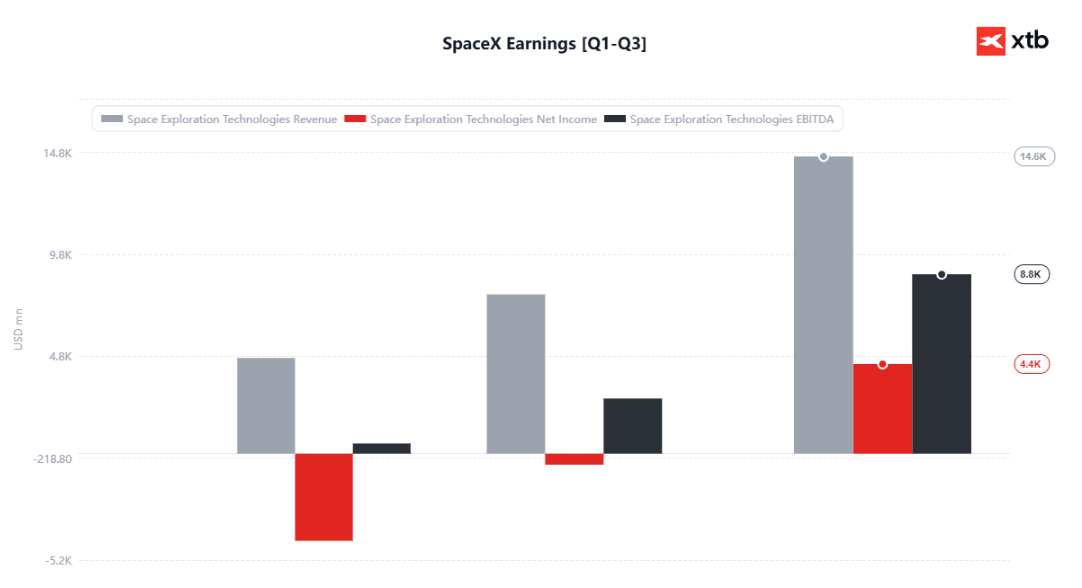
Elon Musk has announced that SpaceX has secured $40 billion in debt financing to purchase chips used for artificial intelligence computing. At the same time, he warned that hundreds of specialized AI infrastructure providers may not survive tightening financing conditions. It is a telling moment for the entire industry. Even companies benefiting from enormous demand for computing power must now confront the question of whether they can finance further expansion and earn a sufficient return on their investments. Musk shared his assessment on X. In his view, the debt market has largely closed its doors to companies that lack substantial revenue streams independent of AI data centers. He predicts that more than 200 providers of these services could face a wave of bankruptcies and consolidation. This is a strong assessment that should not be treated as a definitive forecast for the entire sector. Nevertheless, it illustrates how dramatically investors’ attitudes toward financing artificial intelligence infrastructure have changed.
Source: XTB Research
At first glance, it is difficult to reconcile such a pessimistic view of the industry with SpaceX’s decision to take on enormous debt to purchase graphics processing units (GPUs). In reality, both developments concern the same underlying problem: the race to build AI infrastructure requires increasingly large amounts of capital, but access to that capital is far from equal across market participants. SpaceX has advantages that many smaller competitors lack. Musk points to the company’s strong credit profile and revenue generated by Starlink and commercial rocket launches. This gives SpaceX a broader business base to present to lenders than companies that depend almost entirely on renting out computing capacity. The financing is primarily intended to fund GPU purchases, with deliveries scheduled for the first half of 2027. This is a significant advantage in an industry where investments must be made long before customers generate enough revenue to cover them fully. Building data centers requires expensive processors, power infrastructure, cooling systems, and adequate connectivity. Interest payments and the need to replace hardware regularly add to the burden.
A company may have orders secured years in advance and still come under pressure if expansion costs rise faster than its ability to generate cash. That is precisely why the distinction between demand for AI services and the profitability of their providers is becoming increasingly important. Customers need ever-greater computing capacity, but that does not automatically mean every company building data centers will profit from the trend. If competition drives rental prices down while financing and infrastructure operating costs remain high, rising revenue may not be enough to deliver an attractive return on investment. CoreWeave, one of the best-known AI infrastructure providers, is a case in point. The company benefits from demand from major technology customers, but its business model requires enormous capital expenditure. Its debt stands at approximately $50 billion, making financing costs and the pace of investment returns increasingly important. CoreWeave argues that its substantial backlog of contracted revenue provides a foundation for continued expansion. The problem, therefore, is not simply whether customers exist, but how much it will cost to meet their needs and whether the resulting cash flow will be sufficient to cover the company’s obligations.
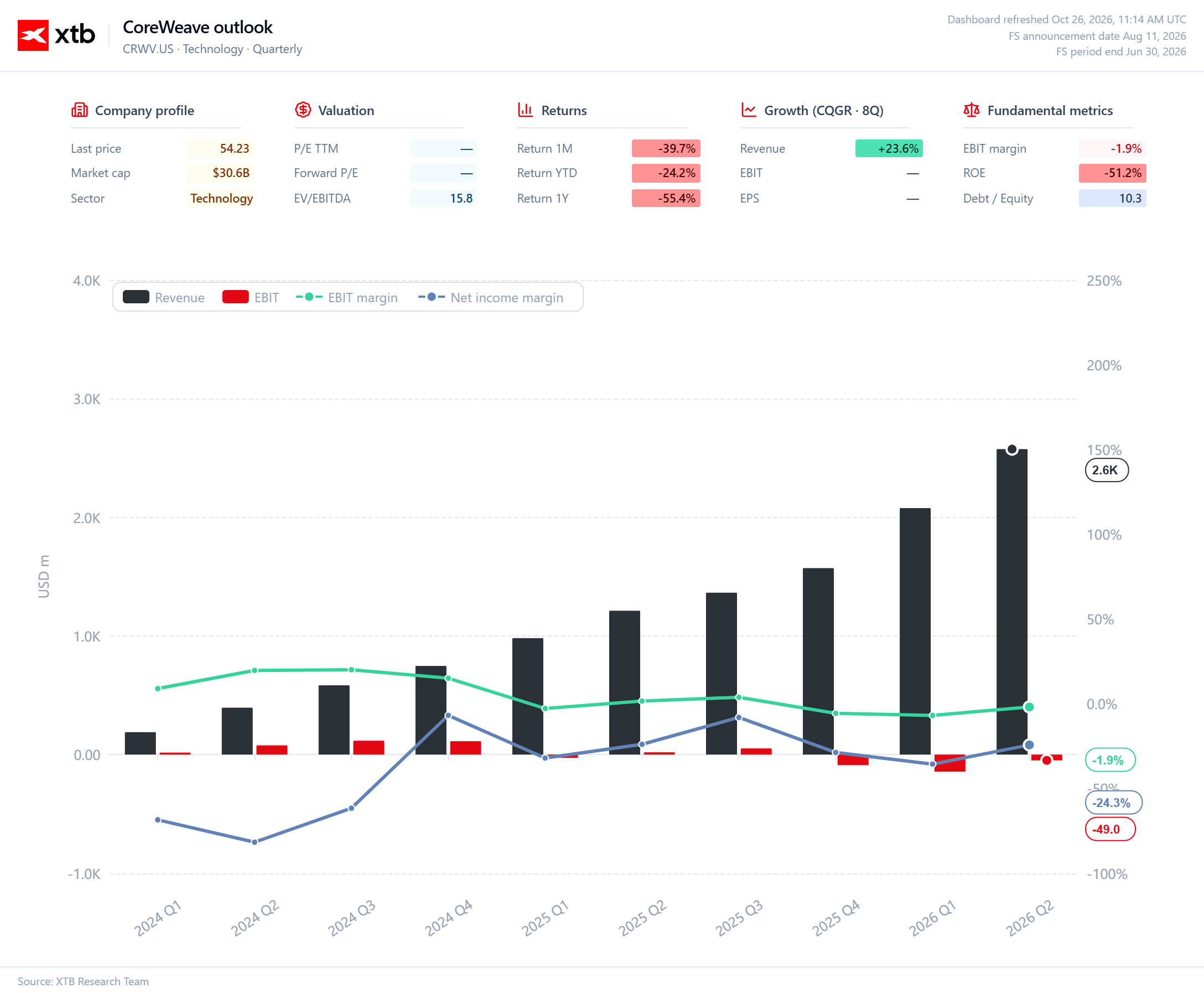
Similar questions surround Nebius, IREN, and Applied Digital, whose valuations are closely tied to expectations of continued expansion in computing infrastructure. Following Musk’s warning, shares in companies across this segment came under pressure in premarket trading in the United States. Investors are looking beyond sales forecasts and paying closer attention to balance sheets, borrowing costs, and the ability to finance the next stages of expansion.
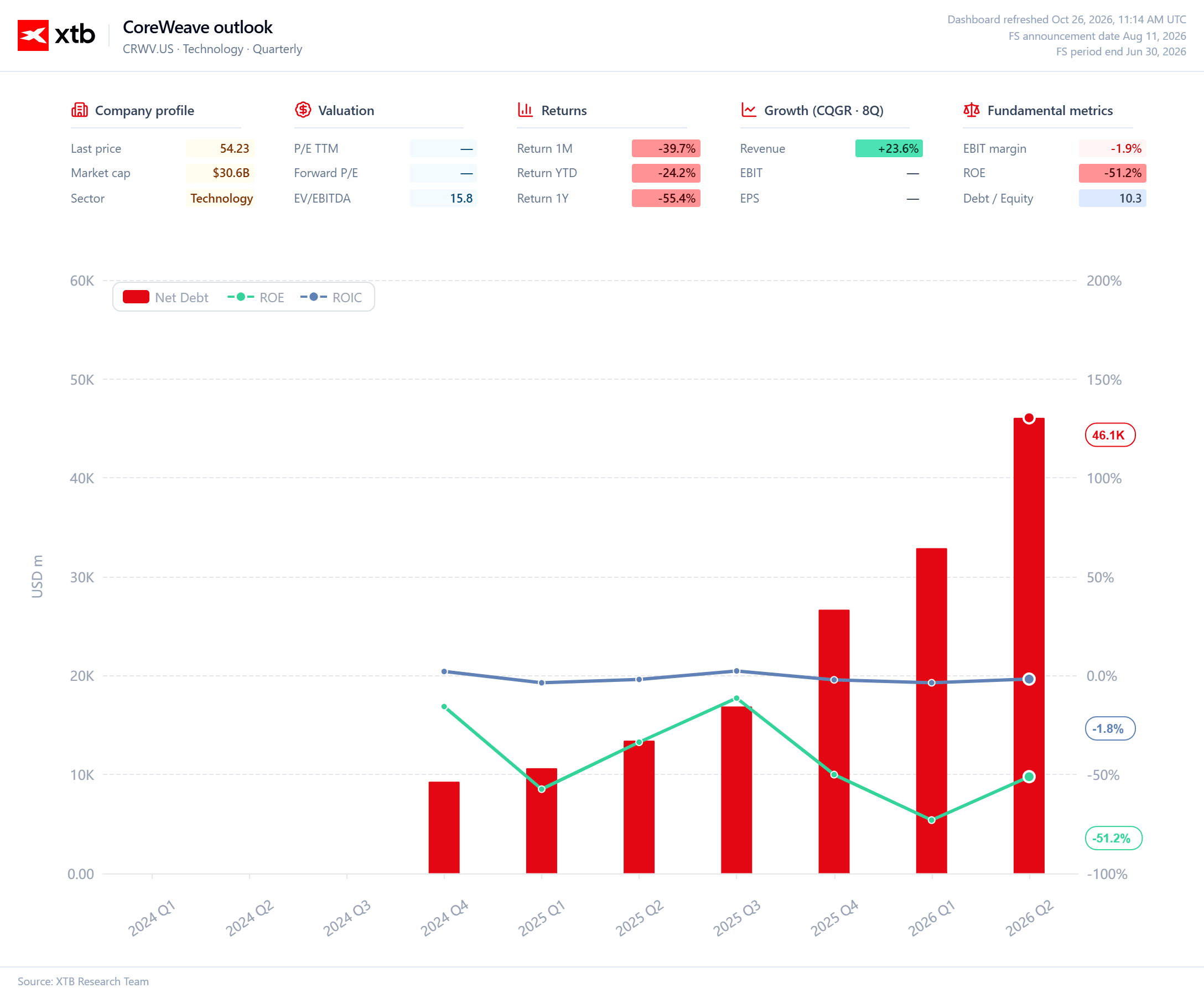
This does not necessarily mean the market has lost faith in the growth of artificial intelligence. Investors may simply be starting to distinguish between companies that can profit from rising demand for computing power and those that must continually increase their debt to sustain growth. Merely operating in the AI sector is no longer enough to make a compelling investment case. Gartner’s forecasts also point to worrying conclusions. According to the research firm’s estimates, more than 80% of neocloud providers could cease operating as independent companies by 2030 if the current pace of investment fails to generate adequate returns. This is a scenario, not a predetermined outcome, but it highlights the scale of the risk. Infrastructure may be built faster than the market willing to pay for its use can grow to a size that supports sustainable profitability.
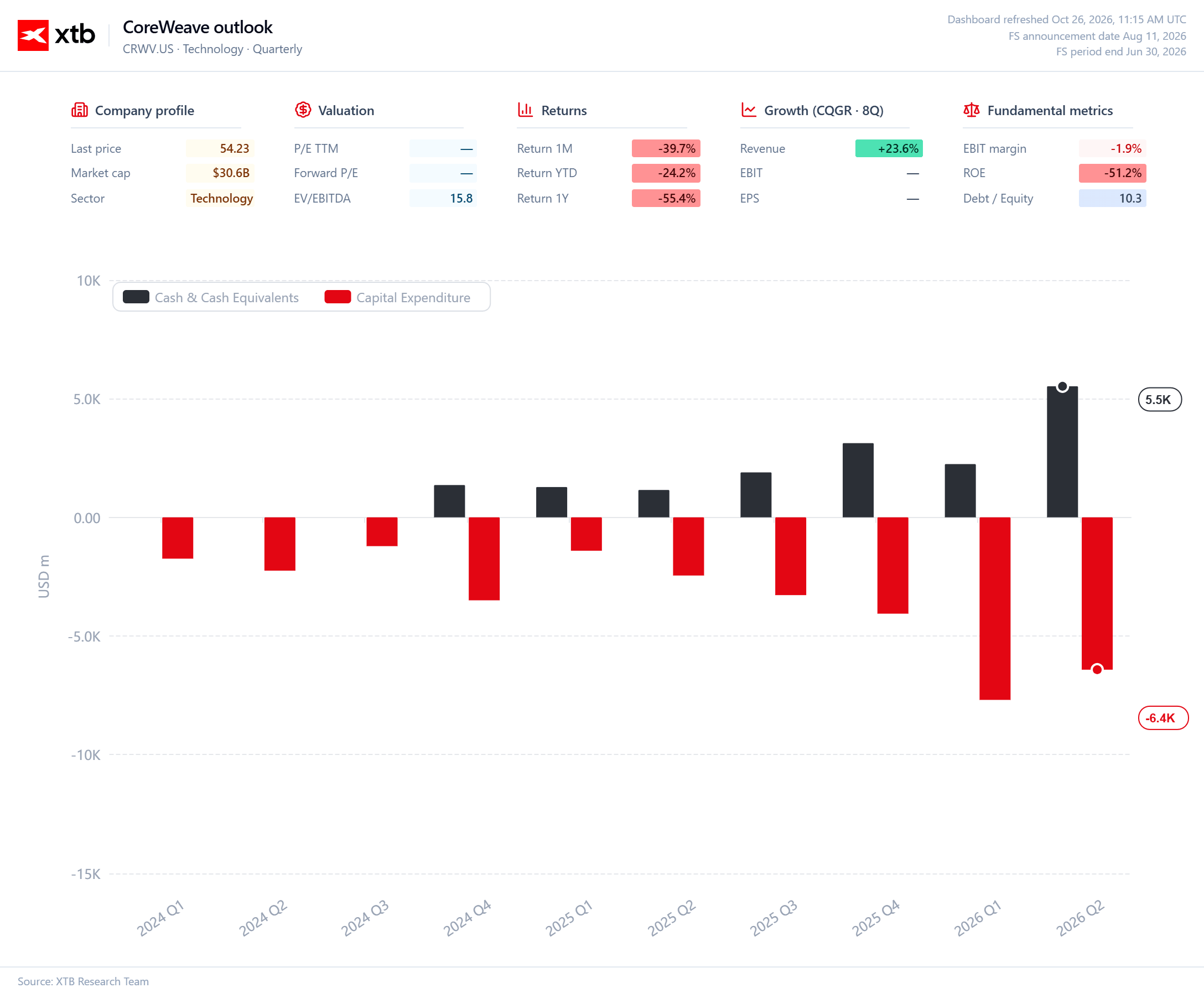
Rapid hardware obsolescence presents another challenge. Each new generation of chips delivers better performance, potentially making earlier investments less attractive before they have generated the expected returns. Companies must therefore repay today’s obligations while simultaneously financing purchases of the next generation of processors. This is a particularly difficult combination for businesses that rely on debt to fund their growth. Against this backdrop, the position of the largest technology platforms looks different. Microsoft, Alphabet, and Amazon are also spending enormous sums on AI infrastructure, but they have diversified revenue streams from cloud computing, advertising, and software. They can finance some of their investments using cash generated by other business segments. They are not immune to poor investment decisions, but they have a greater capacity to absorb losses than companies that depend almost entirely on renting out computing power.
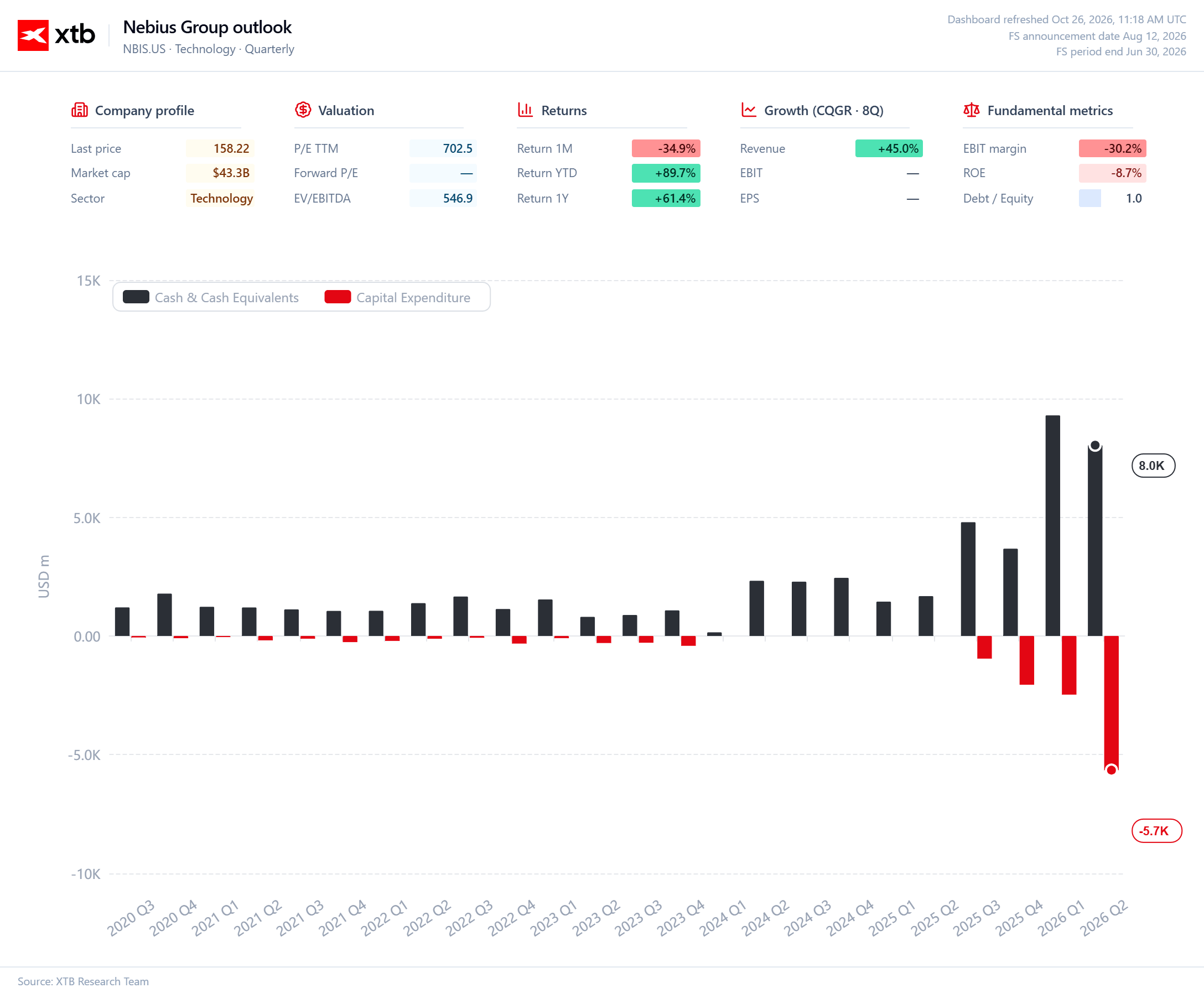
SpaceX is seeking to capitalize on a similar advantage by combining its AI infrastructure ambitions with its space and internet businesses. The financing demonstrates that capital remains available for ventures operating on an enormous scale. The key questions, however, are who is borrowing the money, on what terms, and which revenue streams will be used to repay it. Musk’s $40 billion in debt does not necessarily carry the same level of risk as borrowing by a company whose future depends primarily on GPU rental prices and continued access to credit.
There is an obvious paradox here. Musk is warning about the difficulties facing his competitors even as SpaceX increases its own commitment to AI infrastructure and will have to justify the economics of its investments. A strong financial position may make it easier to weather a more challenging period, but it does not guarantee that every investment will prove profitable. For investors, the most important task will be identifying which companies have sufficiently strong fundamentals to survive a period of more selective financing. A substantial order backlog and rapid revenue growth remain important advantages, but neither replaces an analysis of cash flow, debt levels, and infrastructure operating costs.
Some companies may fail, others may be acquired, and the strongest players could use industry consolidation to acquire attractive assets. Musk’s warning, therefore, does not necessarily signal the end of the AI boom. It may, however, herald a change in its character. The first phase primarily rewarded companies that could raise capital quickly, buy processors, and bring new data centers online. The next phase may belong to businesses that can demonstrate they know how to generate profits from that infrastructure without continually increasing their debt. In the AI race, building more is no longer enough. Companies must also demonstrate that the billions they invest will deliver an adequate return.