S&P 500 — US Large Cap Index
 FTSE 100 — UK Blue Chips
 Euro Stoxx 50 — Eurozone Leaders
 DAX 40 — German Equities
 CAC 40 — French Market Index
 Nikkei 225 — Japan Benchmark
 Hang Seng — Hong Kong Index
 Shanghai Composite — China Mainland
 ASX 200 — Australian Market
 TSX Composite — Canada Index
 Nifty 50 — India Large Cap
 STI Index — Singapore Market
 KOSPI — South Korea Index
 Bovespa — Brazil Equities
 JSE Top 40 — South Africa Index
 IPC Index — Mexico Market
Oil Prices Fall Following Trump’s Comments. Will Tehran Allow the U.S. to Take Control of the Strait of Hormuz?

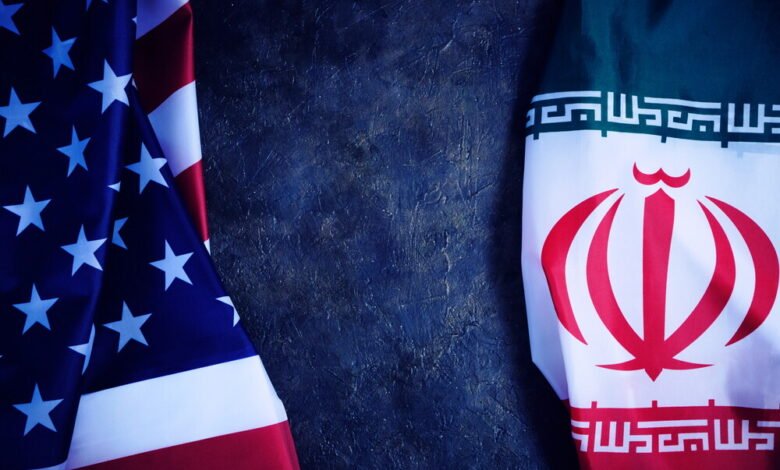
President Donald Trump has posted a series of strong statements on Truth Social:
- No negotiations: “No talks are taking place with the Islamic Republic of Iran, nor are any planned.”
- The naval blockade continues: The US Navy operation targeting Iranian ports remains in full force.
- The Strait of Hormuz is ‘open’: The waterway is operational, and US forces have confirmed that all sea mines have been removed or detonated.
Market reaction: Oil takes a breather
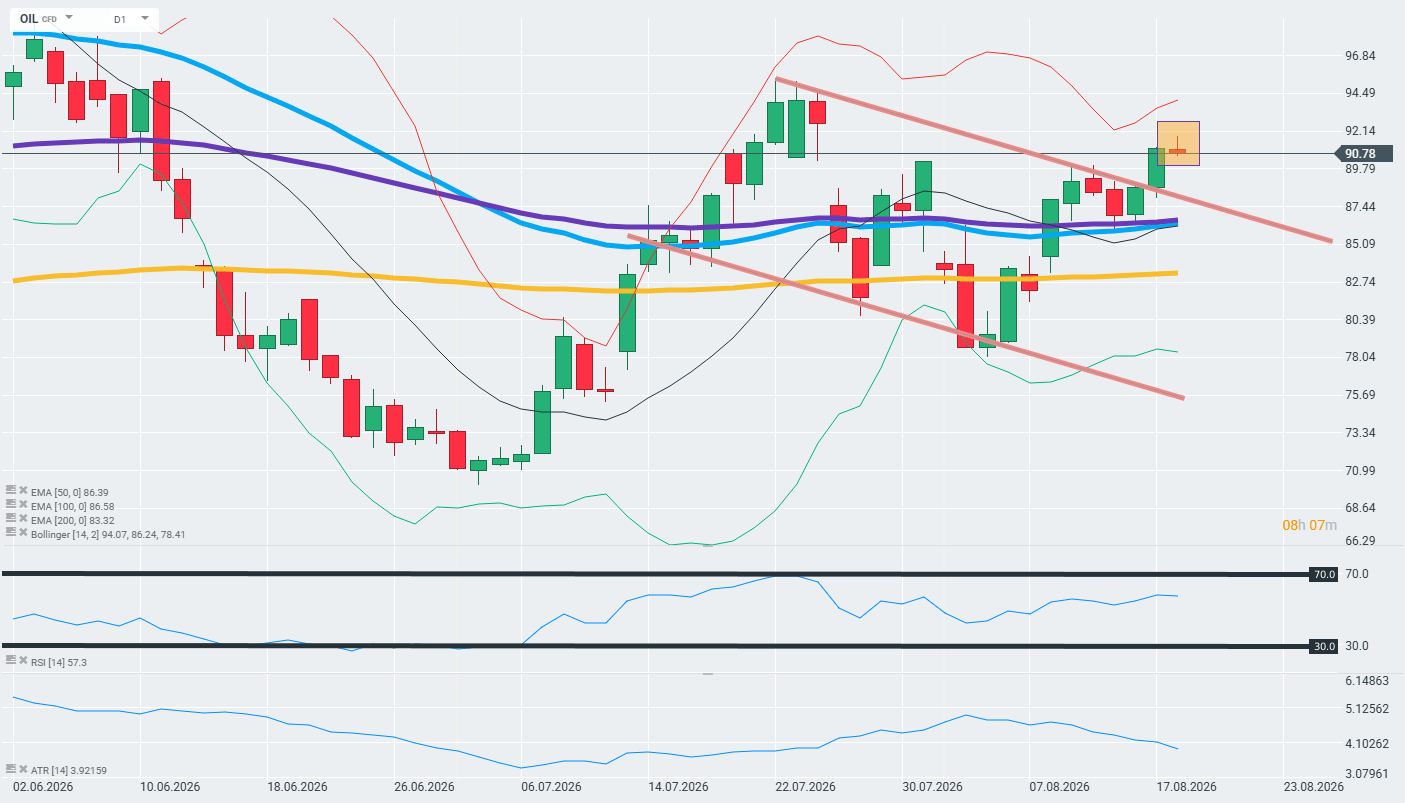
Crude oil prices have fallen slightly following these comments. The prospect of reopening the Strait of Hormuz and clearing the sea mines suggests that the physical flow of crude oil (which accounts for around 20 per cent of global supplies) may resume. Source: xStation
A geopolitical shift in the balance of power
Trump’s statements confirm what Washington has been announcing for some time: the US intends to exercise de facto unilateral control over the Strait of Hormuz . In recent days, the President has even suggested treating the strait as an area subject to US jurisdiction. This is a brutal move to strip Tehran of its most important bargaining chip. Until now, the threat of closing this chokepoint has been the main tool of Iran’s energy blackmail.
What does Iran have to say about this? Chess or asymmetric warfare?
For Tehran, losing control over traffic through the Strait of Hormuz is a blow to its reputation and a strategic setback. Although the Iranian navy is on the defensive, a response is already taking shape and will be of an asymmetric nature. The Iranian military command has already commented on the opening of the strait, warning that ships may pass through it freely, but “once they have left it, they may find a few holes in their hulls”. Washington is attempting to demonstrate that it will use military force to enforce freedom of navigation and cripple the Iranian economy through a blockade. Iran, for its part, unable to engage in an open confrontation with the US Navy, will most likely revert to tactics of sabotage, drone attacks and shadow warfare to prove to the world that without Tehran’s consent, no oil transport from the Persian Gulf is entirely safe, and this casts a shadow over today’s downward trend in oil prices.