S&P 500 — US Large Cap Index
 FTSE 100 — UK Blue Chips
 Euro Stoxx 50 — Eurozone Leaders
 DAX 40 — German Equities
 CAC 40 — French Market Index
 Nikkei 225 — Japan Benchmark
 Hang Seng — Hong Kong Index
 Shanghai Composite — China Mainland
 ASX 200 — Australian Market
 TSX Composite — Canada Index
 Nifty 50 — India Large Cap
 STI Index — Singapore Market
 KOSPI — South Korea Index
 Bovespa — Brazil Equities
 JSE Top 40 — South Africa Index
 IPC Index — Mexico Market
US Natural Gas Market Outlook: Prices Climb as Production Falls and Gulf Storm Risk Builds

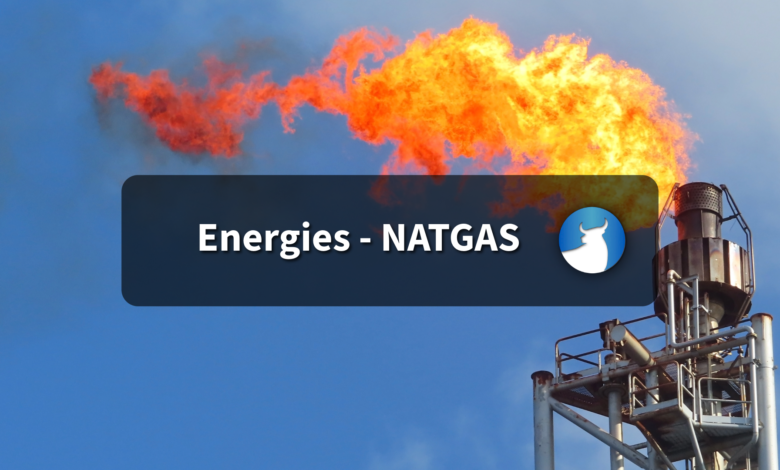
US natural gas prices are extending their advance as lower domestic production, potential Gulf of Mexico disruptions and expectations for a smaller weekly storage build provide support. Prices have now risen for a fifth consecutive session, reaching a two-week high as traders assess the balance between tightening near-term supply and weather-related risks to both production and demand.
US natural gas futures are trading above $3.27/MMBtu, up more than 2%, with the market increasingly focused on production trends, Tropical Storm Isaias and LNG feedgas demand.
The latest rally comes as Lower 48 production moves below the record levels seen during August and September, while potential storm disruption adds another layer of uncertainty to Gulf Coast supply.
Market Snapshot
| Market Factor | Current Outlook |
|---|---|
| US Natural Gas | Above $3.27/MMBtu |
| Price Trend | Fifth consecutive session higher |
| Recent High | Two-week high |
| October Lower 48 Production | 111.5 Bcf/d |
| August Production | Record 113.3 Bcf/d |
| September Production | Record 113.3 Bcf/d |
| Tropical Storm Isaias | Potential Gulf Coast hurricane impact |
| LNG Feedgas | Rising as Freeport LNG increases intake |
| Storage | Smaller-than-usual build expected |
Price Action and Market Structure
Natural gas prices are gaining momentum after breaking into a fifth consecutive session of advances.
The move toward $3.27/MMBtu reflects a combination of lower production and concerns that tropical weather could disrupt Gulf Coast infrastructure.
The market is also receiving support from expectations for a smaller-than-normal storage injection.
However, the rally remains sensitive to the direction of LNG demand. Storms can reduce supply by disrupting offshore production, but they can also reduce demand if LNG export facilities are forced to shut down or widespread power outages reduce electricity consumption.
This creates a two-sided weather risk rather than a straightforward bullish signal.
US Production Moves Below Record Levels
The immediate fundamental support is coming from lower Lower 48 production.
Output has averaged approximately 111.5 Bcf/d during October, below the record 113.3 Bcf/d recorded during both August and September.
The decline is partly associated with recent force majeure events and pipeline disruptions affecting Kentucky, Texas and West Virginia.
While production remains historically high, the retreat from record levels is significant for a market that has been accustomed to exceptionally strong supply.
If production remains below the August-September highs, the balance could tighten further, particularly if LNG demand continues increasing.
Gulf Coast Storm Risk
Tropical Storm Isaias is becoming a key short-term market variable.
The storm is expected to reach the Gulf Coast as a hurricane, creating the possibility of disruption to offshore natural gas production and other energy infrastructure.
A reduction in Gulf production could provide an immediate bullish catalyst for natural gas futures.
However, the impact is not necessarily one-directional.
Storm-related shutdowns at LNG export terminals could reduce feedgas demand. Power outages can also reduce gas consumption from electricity generators.
The ultimate price impact will therefore depend on whether the storm disrupts supply more significantly than demand.
LNG Demand Provides Support
LNG feedgas flows are increasing, providing an important source of demand support.
Freeport LNG is increasing its gas intake following the return of a liquefaction train from maintenance.
Higher LNG feedgas demand removes additional natural gas from the domestic market and strengthens the demand side of the balance.
The return of liquefaction capacity is particularly important because US LNG exports have become an increasingly significant component of domestic natural gas demand.
If Freeport and other LNG facilities maintain high utilization rates, domestic supply could remain tighter than headline production figures suggest.
Storage Expectations
Natural gas prices are also benefiting from expectations for a smaller-than-usual weekly storage build.
Storage injections are closely watched at this point in the season because they provide an indication of how quickly the market is rebuilding inventories ahead of the winter heating period.
A smaller injection would suggest that production and demand are moving the balance toward tighter conditions.
If upcoming storage data confirms a smaller build, the market could receive another bullish catalyst.
Conversely, a larger-than-expected injection would weaken the recent rally and reinforce concerns about abundant domestic supply.
Bullish Scenario
Natural gas prices could extend their advance if:
- Lower 48 production remains below the August and September records.
- Gulf storms disrupt offshore production.
- Pipeline disruptions persist or spread.
- Freeport LNG maintains higher feedgas intake.
- Other LNG facilities operate at strong utilization rates.
- Weekly storage injections remain below seasonal expectations.
- Early winter demand expectations increase.
- Storm-related supply losses exceed LNG and power-demand disruptions.
A sustained combination of lower production and strong LNG demand would create a stronger case for prices to move above the recent two-week high.
Bearish Scenario
The main downside risks include:
- Production quickly returns toward 113 Bcf/d.
- Gulf Coast storms disrupt LNG export facilities.
- LNG feedgas demand falls because of terminal shutdowns.
- Power outages reduce electricity-related gas consumption.
- Storage builds exceed expectations.
- Pipeline disruptions are resolved.
- Weather remains mild and reduces heating demand.
- Domestic supply remains comfortably above consumption.
The key bearish argument is that US production remains historically strong even after the recent decline.
Natural Gas Price Outlook
The short-term bias has turned constructive, with five consecutive sessions of gains and prices reaching a two-week high.
The next test will be whether the market can maintain momentum above the $3.27/MMBtu area.
Storm developments and storage data are likely to determine the next directional move. A smaller storage build combined with continued production weakness would strengthen the bullish case.
However, the market needs to distinguish between genuine supply tightening and temporary weather-related disruption.
Supply Outlook
The supply picture has tightened modestly as October production averages 111.5 Bcf/d, below the record 113.3 Bcf/d levels seen during August and September.
The recent force majeure events and pipeline disruptions are contributing to the decline.
The Gulf Coast weather situation could create an additional temporary supply shock.
The key question is whether production remains below record levels after the disruptions are resolved.
Demand Outlook
Demand is being supported by rising LNG feedgas flows, particularly as Freeport LNG increases intake following maintenance.
This is an important bullish factor because stronger LNG exports can absorb a larger share of domestic production.
However, tropical weather creates uncertainty. LNG facility shutdowns could temporarily reduce demand, while power outages could also lower electricity-sector gas consumption.
The demand outlook is therefore positive but highly dependent on LNG infrastructure remaining operational.
Louis Roche Analysis
Natural gas is beginning to develop a more constructive short-term setup.
The important change is that production has moved below the record levels seen during August and September at the same time that LNG feedgas demand is increasing.
That combination is more significant than either factor individually.
The storm threat adds another layer of volatility. If Tropical Storm Isaias disrupts Gulf production while LNG facilities continue operating, the impact could be strongly bullish.
But if the storm forces LNG terminals to shut down, the demand loss could offset some or all of the supply disruption.
For me, the next major signal is therefore the relationship between production, LNG feedgas and storage.
If production remains near 111.5 Bcf/d, LNG demand stays elevated and storage injections remain below normal, the market has a credible fundamental basis for moving higher.
My short-term bias is bullish but weather-sensitive.
The rally is becoming more convincing, but the market needs confirmation from storage and continued production restraint before a larger sustained move can be established.
Coming Sessions
Natural gas traders will remain focused on:
- Tropical Storm Isaias — particularly its impact on Gulf production and infrastructure.
- Lower 48 production — whether output remains below 113 Bcf/d.
- Weekly storage data — confirmation of the expected smaller build.
- Freeport LNG feedgas flows — continued increases would support demand.
- Other LNG facilities — operating rates will determine whether storm disruption reduces demand.
- Pipeline disruptions — normalization could allow production to recover.
- Power demand — outages and weather conditions could materially change gas consumption.
- Winter weather forecasts — increasingly important as the market moves toward the heating season.
Today Markets View
US natural gas has shifted into a constructive short-term trend, supported by lower production, stronger LNG feedgas demand and expectations for a smaller storage build.
The principal risk is that tropical weather disrupts LNG demand as much as or more than it disrupts supply.
Today Markets maintains a cautiously bullish near-term view, with the next major directional signal likely to come from the interaction between Gulf weather disruption, production levels, LNG demand and storage.
Currency Hedger View
Natural gas is priced in US dollars, making broader dollar movements an important secondary factor for international commodity markets.
For global energy companies, LNG businesses and other market participants with cross-border revenues or costs, changes in exchange rates can also influence the effective value of commodity revenues and operating expenses.
Currency Hedger monitors foreign exchange markets alongside broader commodity and macroeconomic conditions, helping businesses assess and manage their international currency exposure.
Open a Currency Hedger Account: Open a Currency Hedger Account
Visit Currency Hedger: Currency Hedger
Contributor
Louis Roche – Today Markets
Market analysis prepared for Today Markets. For informational purposes only and not intended as investment, trading, financial or commodity advice.