S&P 500 — US Large Cap Index
 FTSE 100 — UK Blue Chips
 Euro Stoxx 50 — Eurozone Leaders
 DAX 40 — German Equities
 CAC 40 — French Market Index
 Nikkei 225 — Japan Benchmark
 Hang Seng — Hong Kong Index
 Shanghai Composite — China Mainland
 ASX 200 — Australian Market
 TSX Composite — Canada Index
 Nifty 50 — India Large Cap
 STI Index — Singapore Market
 KOSPI — South Korea Index
 Bovespa — Brazil Equities
 JSE Top 40 — South Africa Index
 IPC Index — Mexico Market
European Natural Gas Prices Face Renewed Volatility as Low Storage Meets Gulf Supply Risks

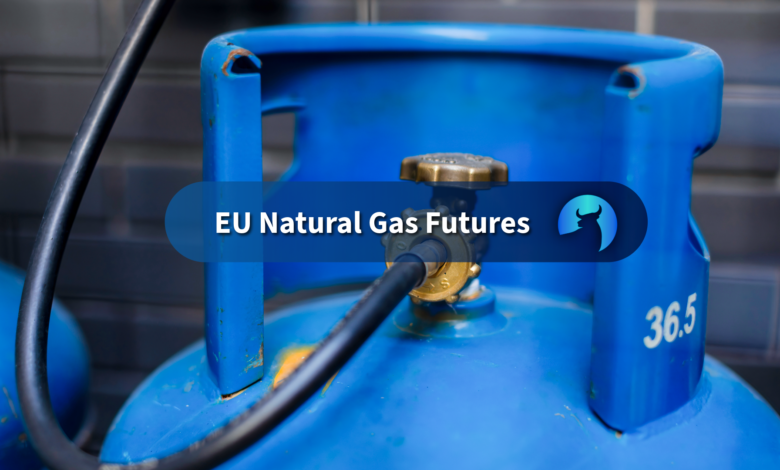
European natural gas prices have fallen below €72/MWh, but the decline comes against a tightening winter supply backdrop. Traders continue to monitor disruptions to LNG flows through the Strait of Hormuz, while uncertainty surrounding Gulf supplies and below-average European storage levels leave the market vulnerable to renewed price volatility.
The supply picture is particularly important as the European heating season approaches. Storage across the bloc is around 71% full, significantly below the five-year seasonal average of approximately 87%, while Germany’s inventories are only slightly above 57%. At the same time, Europe is competing with Asian buyers for available LNG cargoes, while maintenance on Norwegian infrastructure creates an additional constraint on regional supply.
Market Snapshot
| Factor | Current Situation | Potential Market Impact |
|---|---|---|
| European Gas | Below €72/MWh | Recent decline provides some relief but does not remove supply risks |
| EU Storage | Around 71% full | Below-average inventories increase winter sensitivity |
| Germany Storage | Just over 57% full | Greater vulnerability for Europe’s largest gas market |
| LNG Flows | Disruptions through Strait of Hormuz | Reduced Gulf supply could tighten European availability |
| QatarEnergy | Force majeure extended on Italy’s Edison deliveries | Adds uncertainty to LNG supply |
| Norwegian Supply | Maintenance continues | Potentially limits pipeline availability |
| Asian Demand | Strong competition for LNG cargoes | Could make replacement supplies more expensive |
Current European Gas Price Action
European natural gas prices have moved below €72/MWh after rising during the previous session.
The decline indicates that traders are not currently pricing a full-blown supply shock. However, the underlying fundamentals remain considerably tighter than the headline price movement suggests.
The key issue is that Europe’s storage position is entering the heating season below normal seasonal levels. Any additional disruption to LNG or pipeline supplies could therefore have a disproportionately large impact on prices.
European Storage Remains Below Seasonal Norms
European gas storage is currently around 71% full, compared with a five-year seasonal average of approximately 87%.
The gap is significant because storage provides an important buffer against winter demand. Lower starting inventories mean that Europe has less flexibility if temperatures fall sharply or supply disruptions persist.
Germany presents an even more sensitive part of the European market, with storage levels only slightly above 57%.
If withdrawals accelerate once heating demand increases, traders may begin placing a greater risk premium on forward gas contracts.
Strait of Hormuz Disruptions Keep LNG Supply in Focus
The Strait of Hormuz remains one of the most important variables for the European gas market.
Persistent disruption to LNG flows through the region creates uncertainty over the availability of cargoes that would normally contribute to global supply.
The lack of agreement between the US and Iran means there is no immediate certainty that normal shipping conditions will return. Continued disruption could force European buyers to compete more aggressively for alternative LNG supplies.
That would increase the importance of US LNG, Norwegian pipeline gas and other flexible sources of supply.
Qatar LNG Disruptions Add Another Layer of Risk
QatarEnergy has extended force majeure affecting LNG deliveries to Italy’s Edison through early December.
The development highlights the difficulty Europe faces in replacing disrupted Gulf supplies ahead of the peak winter-demand period.
Qatar is a major participant in the global LNG market, meaning prolonged disruption can affect not only European supply but also the competition for cargoes between Europe and Asia.
Asian Competition Could Push Replacement Costs Higher
Europe is not competing for LNG in isolation.
Asian buyers are also entering the winter period with their own supply requirements. If Asian demand increases alongside European restocking requirements, available spot cargoes could become more expensive.
This creates an important upside risk for European gas prices even if European storage continues to improve.
The market does not necessarily require a complete supply interruption for prices to rise sharply. A combination of lower inventories, stronger Asian demand and logistical disruption could be sufficient to tighten the balance.
Norwegian Maintenance Adds Pipeline Supply Risk
Norway remains a critical source of pipeline gas for Europe, making maintenance activity an important market variable.
Temporary reductions in Norwegian flows can have an amplified effect when LNG supply is already uncertain.
Traders will therefore continue monitoring the timing and scale of Norwegian maintenance and whether any disruptions extend beyond expected schedules.
Bullish Sentiment
- European storage remains below normal — Lower inventories leave the market more exposed to supply disruptions during winter.
- Strait of Hormuz uncertainty persists — Continued disruption could restrict LNG availability and increase competition for alternative cargoes.
- Qatar LNG deliveries remain affected — Extended force majeure adds uncertainty to European supply.
- Asian LNG competition — Strong Asian demand could increase the cost of cargoes needed by European buyers.
- Norwegian maintenance — Pipeline supply interruptions could tighten the regional market at a sensitive time of year.
Bearish Sentiment
- Prices remain below €72/MWh — The market is not currently pricing the full impact of potential winter supply risks.
- Storage is still being replenished — Continued injections would gradually improve Europe’s winter supply buffer.
- Alternative LNG supplies remain available — Europe has access to multiple global LNG sources if cargoes can be redirected.
- Mild weather would reduce demand pressure — A relatively warm start to winter could slow withdrawals and limit the need for additional spot LNG.
- Any improvement in Gulf shipping conditions could quickly reduce the risk premium currently embedded in European gas markets.
Price Forecast: What Traders Are Watching
The next major move in European gas prices is likely to depend on whether supply risks intensify as the heating season approaches.
A prolonged disruption through the Strait of Hormuz would increase pressure on European buyers to secure alternative LNG supplies, particularly if Asian demand remains firm. With storage already below the five-year average, the market could react sharply to any additional supply reduction.
Conversely, an improvement in shipping conditions, stronger Norwegian availability or continued storage injections could reduce the immediate risk premium.
The critical variable is therefore not simply the current storage percentage, but how quickly inventories are drawn down once winter demand increases.
Supply Outlook
European supply remains exposed to several simultaneous risks.
Gulf LNG disruptions, Norwegian maintenance and competition for global LNG cargoes could all affect the amount of gas available to European buyers.
The market will be particularly sensitive to any evidence that replacement LNG is becoming more difficult or expensive to secure.
If Gulf flows remain disrupted into the winter, Europe may need to rely more heavily on alternative LNG suppliers and pipeline sources.
Demand Outlook
European gas demand is expected to increase as temperatures fall and heating requirements rise.
The pace of that increase will depend heavily on weather conditions. A mild winter would reduce withdrawals and give storage levels more time to recover relative to demand.
A colder-than-normal winter, however, would quickly expose the current inventory deficit and increase competition for LNG.
Industrial demand will also remain relevant, particularly if elevated gas prices begin to affect European manufacturing activity.
Market Outlook for the Coming Sessions
European gas traders will be watching:
- European storage injections and inventory levels
- German storage levels
- LNG flows through the Strait of Hormuz
- QatarEnergy delivery developments
- Norwegian pipeline availability
- Asian LNG demand
- European weather forecasts
- The pace of withdrawals once heating demand increases
The market is currently benefiting from a lower price level, but the fundamental risk remains skewed toward greater volatility as winter approaches.
With European storage below its five-year average and several major supply uncertainties unresolved, any additional disruption could quickly change the market’s balance.
Analysis Louis Roche – Today Markets
European natural gas prices are currently caught between short-term price weakness and a more fragile winter supply outlook. The decline below €72/MWh does not eliminate the underlying risks created by low storage, Gulf LNG uncertainty and competition from Asian buyers.
The most important development for the coming sessions will be whether European inventories can continue building before heating demand accelerates. If supply disruptions persist into the winter while storage remains below normal, the market could become significantly more sensitive to weather and LNG availability.
Louis Roche – Today Markets