S&P 500 — US Large Cap Index
 FTSE 100 — UK Blue Chips
 Euro Stoxx 50 — Eurozone Leaders
 DAX 40 — German Equities
 CAC 40 — French Market Index
 Nikkei 225 — Japan Benchmark
 Hang Seng — Hong Kong Index
 Shanghai Composite — China Mainland
 ASX 200 — Australian Market
 TSX Composite — Canada Index
 Nifty 50 — India Large Cap
 STI Index — Singapore Market
 KOSPI — South Korea Index
 Bovespa — Brazil Equities
 JSE Top 40 — South Africa Index
 IPC Index — Mexico Market

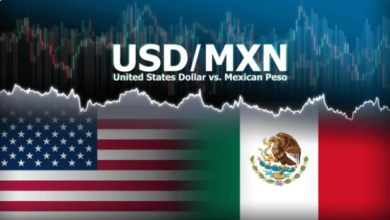
The Mexican peso weakened toward 18.44 per US dollar in October 2026, approaching a one-year low after the release of the Bank of Mexico’s latest meeting minutes raised the prospect of further monetary easing. The currency has become one of the weaker performers among emerging markets as investors reassess the interest-rate outlook and the relative attractiveness of peso-denominated assets.
Most members of the Bank of Mexico’s Governing Board indicated that moderating core inflation and weak domestic consumption could allow interest-rate cuts to continue into late 2026 and early 2027. This has increased concerns that the interest-rate differential between Mexico and the United States could narrow, reducing the peso’s appeal in carry trades and supporting demand for the US dollar.
Meanwhile, Mexican annual inflation rose to 3.45% in September from 3.26% in August. Although the reading came in slightly below market expectations, the increase adds uncertainty to the outlook for monetary policy and the peso.
Market Snapshot
- USD/MXN: The peso weakened toward 18.44 per dollar, approaching a one-year low.
- Bank of Mexico policy: Meeting minutes indicate that further interest-rate cuts remain possible into late 2026 and early 2027.
- Core inflation: Moderation in underlying price pressures is providing policymakers with greater scope to consider monetary easing.
- Domestic consumption: Weak demand is another factor supporting the case for further rate cuts.
- Annual inflation: Increased to 3.45% in September from 3.26% in August, although the result was slightly below expectations.
- Carry-trade appeal: Expectations of a narrower Mexico–US interest-rate differential are reducing the relative attraction of peso-denominated positions.
Mexican Peso Under Pressure as Rate Differential Narrows
The peso’s latest weakness reflects changing expectations for the Bank of Mexico’s policy path. Higher domestic interest rates have helped support demand for the currency through carry trades, in which investors seek to benefit from yield differentials between currencies.
However, the prospect of additional rate cuts could reduce that advantage, particularly if US interest rates remain comparatively attractive. As the expected return from holding peso-denominated assets diminishes, investors may become less willing to maintain positions that expose them to currency fluctuations.
The release of the meeting minutes has therefore reinforced pressure on the peso, with the exchange rate moving toward 18.44 per dollar. Whether the currency extends its decline will depend partly on the pace of monetary easing, the Federal Reserve’s policy outlook and broader appetite for emerging-market assets.
Inflation Complicates the Bank of Mexico Outlook
Mexico’s annual inflation rate increased to 3.45% in September from 3.26% in August. Although the latest reading was slightly below expectations, the acceleration suggests that the inflation outlook is not entirely straightforward.
On one hand, moderating core inflation may give policymakers room to continue reducing interest rates, particularly if weak domestic consumption limits demand-driven price pressures. On the other hand, a renewed increase in headline inflation could complicate the timing and pace of further easing.
For currency markets, the distinction between headline and core inflation will be important. Investors will assess whether the latest increase represents a temporary movement or the beginning of a more persistent inflationary trend. This could influence expectations for future rate cuts and the peso’s relative yield advantage.
Bullish Scenario for the Mexican Peso
The peso could stabilise or recover if upcoming inflation data show that price pressures are becoming more manageable without requiring an aggressive easing cycle. A more cautious tone from the Bank of Mexico, particularly if policymakers signal that further cuts will depend on incoming data, could help limit expectations of a rapidly narrowing interest-rate differential.
The currency could also benefit if the US dollar weakens or demand for emerging-market assets improves. Under this scenario, investors may reassess the peso’s recent underperformance and restore some exposure to Mexican assets.
A sustained recovery would likely require confirmation from both domestic monetary policy expectations and broader market conditions rather than relying on a single inflation release.
Bearish Scenario for the Mexican Peso
Further peso weakness could develop if the Bank of Mexico continues cutting interest rates while US monetary policy remains comparatively restrictive. A narrower yield differential could make carry trades less attractive, encouraging investors to reduce peso exposure and increase demand for dollars.
The risk would increase if domestic consumption remains weak, reinforcing expectations of additional easing, while inflation continues to rise. This combination could leave policymakers balancing subdued economic activity against uncertain price pressures.
A sustained move toward or beyond the recent exchange-rate area would also depend on broader US dollar demand and investor appetite for emerging-market currencies. The peso’s performance may remain vulnerable if these factors reinforce the shift away from higher-yielding Mexican assets.
Mexican Peso Forecast: What Comes Next?
The near-term outlook for USD/MXN remains sensitive to the interaction between Bank of Mexico policy expectations, Mexican inflation and US interest rates. The peso’s approach toward a one-year low highlights the market’s concern that its yield advantage may diminish as domestic monetary easing continues.
If the Bank of Mexico signals that further cuts are likely, while US rates remain relatively attractive, USD/MXN could face additional upward pressure. Conversely, a more measured easing outlook or a weaker US dollar could help the peso recover.
The September inflation increase will be an important point of reference for the next stage of the policy debate. Markets will look for evidence that core inflation is continuing to moderate and assess whether the latest headline increase changes the expected pace of rate cuts.
For now, the direction of USD/MXN will depend less on any single data point and more on how incoming evidence changes expectations for the relative paths of Mexican and US interest rates.
Market Outlook: What to Watch Next
- Mexican inflation: Monitor upcoming headline and core inflation releases for evidence of whether price pressures are moderating or becoming more persistent.
- Bank of Mexico communications: Watch for guidance on the timing and pace of potential rate cuts into late 2026 and early 2027.
- Federal Reserve policy: Changes in US interest-rate expectations could widen or narrow the yield differential supporting peso carry trades.
- USD/MXN price action: Monitor whether the exchange rate sustains its move toward a one-year high or stabilises as investors reassess the outlook.
- Emerging-market sentiment: Shifts in global risk appetite may influence demand for higher-yielding currencies, including the peso.
- Domestic consumption: Further evidence of weak demand could strengthen the case for additional monetary easing.
Currency Hedger View
The Mexican peso’s weakness highlights the importance of monitoring interest-rate differentials when managing exposure to emerging-market currencies. Businesses receiving revenue in pesos or making payments in US dollars may face greater exchange-rate uncertainty if expectations for monetary policy continue to shift.
Importers, exporters and companies with cross-border payment obligations should assess how changes in USD/MXN could affect their cash flows, margins and payment costs. Depending on their circumstances, forward contracts and other suitable hedging arrangements may help manage uncertainty around future currency conversions.
Currency Hedger monitors foreign exchange markets alongside broader commodity and macroeconomic conditions, helping businesses assess and manage their international currency exposure.
Open a Currency Hedger Account
Explore Currency Hedger or visit currencyhedger.com to learn more about managing international currency exposure.
Analysis: Louis Roche, Today Markets
Disclaimer: This article is for informational and educational purposes only and does not constitute investment, financial or trading advice. Foreign exchange markets and related financial instruments involve significant risk. Forecasts and market scenarios are conditional and may not materialise. Businesses should assess their own circumstances and seek appropriate professional advice before making financial decisions.