S&P 500 — US Large Cap Index
 FTSE 100 — UK Blue Chips
 Euro Stoxx 50 — Eurozone Leaders
 DAX 40 — German Equities
 CAC 40 — French Market Index
 Nikkei 225 — Japan Benchmark
 Hang Seng — Hong Kong Index
 Shanghai Composite — China Mainland
 ASX 200 — Australian Market
 TSX Composite — Canada Index
 Nifty 50 — India Large Cap
 STI Index — Singapore Market
 KOSPI — South Korea Index
 Bovespa — Brazil Equities
 JSE Top 40 — South Africa Index
 IPC Index — Mexico Market
Agricultural Commodities Diverge as Coffee Jumps 3.60% While Cocoa and Wheat Extend Losses

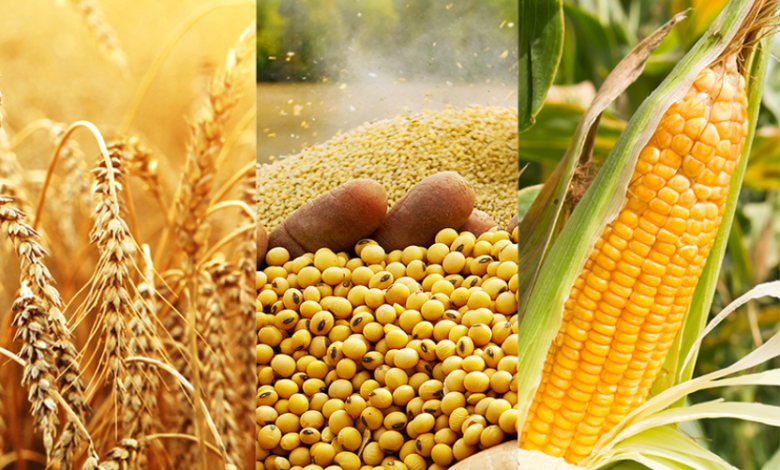
Agricultural commodity markets are showing divergent price action, with coffee leading gains at 3.60% and palm oil rising 1.74%, while cocoa, wheat and rubber remain under pressure. The contrasting moves highlight how weather risks, crop supply expectations, export demand and inventories are shaping individual markets rather than driving a uniform move across agricultural commodities.
The next sessions will test whether coffee and palm oil can sustain their advances and whether weaker cocoa and wheat prices attract fresh buying or extend their declines.
Agricultural Commodities Market Snapshot
| Commodity | Reported Daily Change | Market Direction |
|---|---|---|
| Coffee | +3.60% | Strong gain |
| Palm Oil | +1.74% | Higher |
| Cocoa | -2.51% | Lower |
| Wheat | -1.53% | Lower |
| Rubber | -1.51% | Lower |
Percentage changes are from the supplied market update. Contract prices, trading volumes and the precise reporting period were not provided.
Coffee Leads Agricultural Commodity Gains
Coffee rose 3.60%, making it the strongest performer in the supplied agricultural commodities update.
Coffee prices can respond sharply to changes in crop-weather forecasts, production estimates and export availability in major producing countries. Concerns about adverse weather can lift prices by increasing the perceived risk of lower future supplies, while stronger exports or improving crop expectations can reverse those gains.
The reported advance is significant, but the available data do not identify a specific catalyst for the move. Traders should monitor developments in Brazil and Vietnam, crop estimates, export flows and exchange inventories to assess whether the rally has a fundamental basis.
Outlook: The immediate bias is positive following the reported gain, but confirmation requires follow-through buying and evidence that supply expectations are tightening.
Palm Oil Rises as Vegetable Oil Markets Strengthen
Palm oil gained 1.74%, placing it among the leading agricultural commodity performers.
Palm oil prices are influenced by production in Malaysia and Indonesia, export demand, stock levels and competition from other vegetable oils. Changes in crude oil prices and biofuel economics can also influence sentiment because vegetable oils may be used in biodiesel production.
A sustained advance would be more convincing if supported by stronger exports, lower inventories or signs of slower production growth. Without those confirmations, the increase could represent a short-term recovery rather than the beginning of a broader uptrend.
Outlook: Near-term sentiment is firmer, with export data, inventory estimates and competing vegetable oil prices likely to determine whether gains continue.
Cocoa Falls 2.51% as the Market Faces Downside Pressure
Cocoa declined 2.51%, making it the largest loser in the supplied update.
Cocoa prices remain sensitive to production prospects in West Africa, crop quality, grindings demand and exchange-monitored inventories. Expectations of improved supply or weaker chocolate-manufacturing demand can put pressure on prices, while adverse weather and crop disease can quickly reverse bearish sentiment.
The reported decline alone does not establish which factor is currently dominant. Traders should watch new crop estimates, export arrivals, processing data and inventory trends to determine whether the market is moving towards a more balanced supply-demand position.
Outlook: The short-term bias is weaker, but a sustained bearish trend requires confirmation from supply and demand indicators.
Wheat Falls 1.53 as Harvest Supply and Export Demand Remain in Focus
Wheat declined 1.53%, reflecting a weaker session for the grain market.
Wheat prices are influenced by harvest availability, export competitiveness, weather conditions in major producing regions and import demand. Increased supply availability can weigh on prices, particularly when exporters compete aggressively for international business.
However, weather threats to emerging crops, disruptions to Black Sea shipments or stronger import purchases can provide support. The supplied update does not include contract prices, export sales or new crop estimates, so the latest decline should not be treated as proof of a lasting downward trend.
Outlook: Sentiment is cautious to bearish in the near term. Traders will need to assess export demand and crop conditions to determine whether the decline continues.
Rubber Drops 1.51 as Industrial Demand Remains a Key Variable
Rubber fell 1.51%, placing it among the weakest performers.
Natural rubber prices are closely linked to tyre manufacturing, automotive production, industrial activity and supply conditions in major producing countries. Weather can affect tapping and production, while changes in Chinese manufacturing activity and inventory levels can influence demand expectations.
A sustained recovery would require evidence of stronger industrial demand, tighter supply or improving export conditions. Conversely, weaker manufacturing activity and comfortable inventories could prolong selling pressure.
Outlook: The near-term direction is negative, but confirmation will depend on demand indicators and production developments.
Bullish Sentiment
- Coffee momentum: The 3.60% advance could attract additional buying if prices continue higher and crop fundamentals remain supportive.
- Palm oil strength: A 1.74% gain suggests improving short-term sentiment in the vegetable oil market.
- Weather-related supply risks: Adverse conditions in major producing regions could tighten supplies and support prices across selected agricultural markets.
- Potential bargain buying: Recent losses in cocoa, wheat and rubber could attract buyers if fundamentals stabilise and prices find support.
Bearish Sentiment
- Cocoa weakness: The 2.51% decline signals selling pressure, particularly if supply expectations improve or demand disappoints.
- Wheat downside: A 1.53% fall leaves grain prices exposed to further pressure if harvest availability outweighs export demand.
- Rubber demand sensitivity: Weak industrial or automotive activity could constrain consumption and keep prices under pressure.
- Commodity-specific volatility: Strong gains in some markets and losses in others underline the risk of assuming that agricultural commodities will move together.
Agricultural Commodities Forecast: What Traders Are Watching
The market outlook is mixed, with coffee and palm oil showing positive momentum while cocoa, wheat and rubber face near-term pressure.
- Bullish scenario: Weather risks tighten crop supply, export demand improves and buying momentum extends in coffee and palm oil.
- Neutral scenario: The latest moves remain commodity-specific, with prices consolidating as traders await fresh crop, inventory and demand data.
- Bearish scenario: Weaker demand, improving supply expectations or further selling pressure deepen losses in cocoa, wheat and rubber.
The key is to identify whether each price move is supported by a measurable change in fundamentals. A percentage change alone cannot establish a durable trend, and specific support or resistance levels cannot be determined from the supplied figures.
Market Outlook for the Coming Sessions
Agricultural commodities are moving in different directions as individual supply and demand factors shape sentiment. Coffee’s sharp gain and palm oil’s advance contrast with declines in cocoa, wheat and rubber.
Traders should monitor crop-weather forecasts, export data, inventories and demand indicators rather than relying solely on the latest daily percentage changes. Confirmation from these fundamentals will help determine whether the current divergence continues or reverses.
Currency Hedger View
For agricultural traders, importers, food manufacturers and commodity processors, market prices are only part of the cost equation. Currency movements can materially change the cost of purchasing coffee, palm oil, cocoa, wheat and rubber across borders.
Businesses should assess foreign-exchange exposure alongside commodity-price risk, particularly where purchases are denominated in US dollars but revenue is earned in another currency.
Currency Hedger supports businesses with international payments, multi-currency accounts and foreign-exchange risk management.
Open an account: https://currencyhedger.numito.com/onboarding
Visit Currency Hedger: https://currencyhedger.com/
Today Markets Analysis
Agricultural commodities are showing a divided picture, with coffee and palm oil attracting buying while cocoa, wheat and rubber move lower. The next phase will depend on whether these price changes are confirmed by crop conditions, export demand, inventory levels and end-user consumption.
Coffee and palm oil currently have the stronger reported momentum, while the outlook for cocoa, wheat and rubber remains cautious. Traders should look for fundamental confirmation before assuming that any of these moves will persist.
Contributor: Currency Hedger
This analysis is for informational purposes only and does not constitute investment, trading or financial advice. Agricultural commodities are volatile and can respond rapidly to weather, production, export demand, inventories and currency movements. Market scenarios are uncertain, and traders should assess their own risk tolerance before making decisions.