S&P 500 — US Large Cap Index
 FTSE 100 — UK Blue Chips
 Euro Stoxx 50 — Eurozone Leaders
 DAX 40 — German Equities
 CAC 40 — French Market Index
 Nikkei 225 — Japan Benchmark
 Hang Seng — Hong Kong Index
 Shanghai Composite — China Mainland
 ASX 200 — Australian Market
 TSX Composite — Canada Index
 Nifty 50 — India Large Cap
 STI Index — Singapore Market
 KOSPI — South Korea Index
 Bovespa — Brazil Equities
 JSE Top 40 — South Africa Index
 IPC Index — Mexico Market

Agricultural Commodities Forecast: Wheat Falls 0.94% as Canola Slips, While Sugar and Rubber Lead Gains

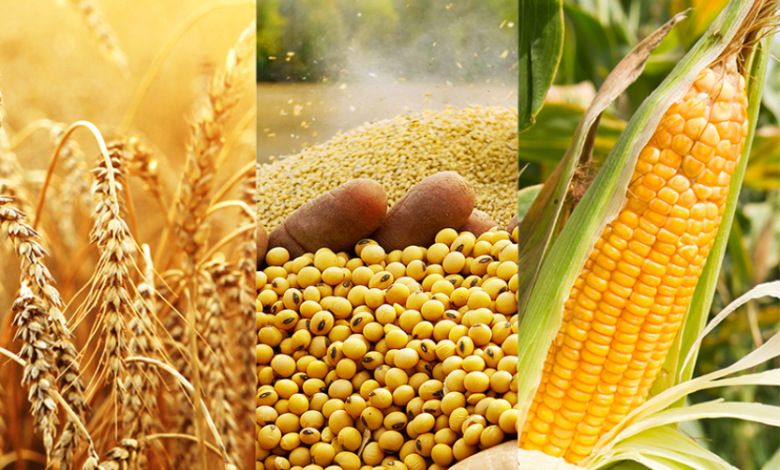
Market Overview
Agricultural commodity markets are showing mixed performance, with wheat and canola under pressure while sugar and rubber lead the reported gainers. Wheat has declined 0.94%, making it the weakest performer among the four commodities listed, while canola has fallen 0.60%. On the positive side, sugar has advanced 0.78% and rubber has gained 0.74%.
The divergence highlights the different supply, demand and industrial factors influencing agricultural markets. Wheat and canola remain sensitive to crop availability, export competition, weather and global demand, while sugar responds to production prospects, energy-market developments and trade flows. Rubber is influenced by industrial activity, automotive demand and production conditions across major Asian suppliers.
With no detailed fundamental data supplied for the individual commodities, the latest percentage changes provide a snapshot of market direction rather than confirmation of the underlying causes. The next moves will depend on whether these trends persist and whether fresh supply, demand or macroeconomic developments reinforce them.
Market Snapshot
| Commodity | Reported Change | Market Direction |
|---|---|---|
| Wheat | -0.94% | Largest reported decline |
| Canola | -0.60% | Lower |
| Sugar | +0.78% | Leading gain |
| Rubber | +0.74% | Strong gain |
Percentage changes are reproduced from the supplied market report. The reporting period, contract months and benchmark prices were not specified.
Wheat Forecast: Largest Decline Among Reported Commodities
Wheat has fallen 0.94%, recording the steepest decline among the commodities listed. The move places the grain market under pressure, although the available figures do not identify a specific catalyst.
Wheat prices are particularly sensitive to global production estimates, weather conditions across major growing regions, export competitiveness and changes in import demand. Expectations for harvest volumes in key producing countries can influence international prices, while changes in freight costs and currency movements affect the competitiveness of exporters.
Demand-side developments also matter. Importers may delay purchases when prices are expected to fall, while stronger buying can support the market if concerns emerge over availability or crop quality.
What traders are watching:
- Crop conditions and harvest progress in major wheat-producing regions.
- Export sales and shipment volumes from leading suppliers.
- Weather risks affecting current and upcoming harvests.
- Changes in global stock estimates and import demand.
- Whether the latest decline attracts buying or develops into a broader downward trend.
The bearish outlook would strengthen if export demand weakens and production prospects remain favourable. Conversely, adverse weather, tighter supply estimates or stronger import demand could help prices recover.
Canola Forecast: Oilseed Market Remains Under Pressure
Canola has declined 0.60%, making it the second-weakest performer in the reported group.
Canola prices are influenced by harvest conditions, global oilseed availability, vegetable-oil demand and the economics of processing seeds into oil and meal. Competition from other oilseeds, particularly soybeans, can also affect demand and price direction.
Energy markets may provide an additional influence through the economics of vegetable oils used in biodiesel and other renewable-fuel applications. However, the latest decline cannot be attributed to any single factor without further market data.
Traders will monitor crop estimates, export demand, crushing activity and movements in competing vegetable oils. If supply remains ample and demand is subdued, canola could face continued pressure. Tighter production expectations or stronger demand for vegetable oils could improve the outlook.
Sugar Forecast: Leading Agricultural Commodity Gains
Sugar has risen 0.78%, making it the strongest performer among the four commodities covered.
The sugar market is sensitive to production conditions in major growing countries, weather patterns, export availability and changes in global consumption. Sugarcane can also be processed into ethanol, meaning energy prices and domestic fuel policies in producing countries may influence the balance between sugar and biofuel production.
A tighter production outlook can support prices if adverse weather, lower yields or reduced export availability restrict supply. Conversely, favourable growing conditions and stronger output can weigh on the market if demand does not absorb the additional production.
The latest gain indicates positive price momentum during the reported period, but further confirmation would require evidence of tightening fundamentals or stronger buying interest.
Key factors to monitor:
- Production and harvest expectations in major sugar-producing countries.
- Weather conditions affecting sugarcane and sugar beet crops.
- The relative economics of sugar and ethanol production.
- Export availability and demand from major importing markets.
Rubber Forecast: Industrial Demand Supports the Market
Rubber has advanced 0.74%, placing it just behind sugar among the reported gainers.
Natural rubber prices are influenced by production conditions in major Asian growing regions, seasonal weather, inventory levels and demand from tyre manufacturers and other industrial users. Automotive production and broader manufacturing activity are therefore important indicators for the market.
Weather-related disruption can affect tapping activity and supply, while stronger industrial demand can support prices if production does not increase sufficiently to meet consumption.
However, the reported gain alone does not establish whether the move reflects improving demand, supply concerns or short-term market positioning. Traders will need to assess production estimates, purchasing activity and industrial indicators to determine whether the advance is sustainable.
Bullish Sentiment: Factors That Could Support Agricultural Prices
- Weather-related supply risks: Adverse conditions could reduce yields or delay harvests across key producing regions.
- Stronger import demand: Increased purchasing by major importing countries could improve export prospects for wheat, canola and sugar.
- Tighter inventories: Lower stocks would reduce the market’s ability to absorb unexpected supply disruptions.
- Higher energy prices: Energy-market movements can affect agricultural production, freight costs and the economics of biofuel production.
- Improving industrial demand: Stronger manufacturing and automotive activity could support rubber consumption.
These factors would provide stronger evidence of a sustained rally if they were reflected in production estimates, export volumes or inventory data.
Bearish Sentiment: Risks to Commodity Prices
- Favourable crop conditions: Strong yields and improved harvest expectations could increase available supply.
- Weak export demand: Reduced international purchasing could place pressure on wheat, canola and sugar prices.
- Competition from alternative crops: Substitution between grains, oilseeds and vegetable oils can influence demand and relative prices.
- Industrial slowdown: Weaker manufacturing or automotive demand could weigh on rubber consumption.
- Currency and freight movements: Changes in exchange rates and transport costs can alter exporter competitiveness and delivered prices.
The risk of further declines would increase if production remains strong while export demand and industrial consumption weaken.
Agricultural Commodity Forecast: What Traders Are Watching
The latest performance points to a divided market, with wheat and canola declining while sugar and rubber advance. The next direction will depend on whether individual commodity fundamentals confirm the current price movements.
Bullish scenario: Adverse weather or lower production estimates tighten supply, while export demand improves. Wheat and canola could recover, and sugar and rubber could extend their gains if their respective demand and supply balances remain supportive.
Base-case scenario: The four commodities continue to trade according to their own fundamentals. Wheat and canola remain sensitive to harvest and export data, while sugar and rubber respond to production, industrial demand and energy-market developments.
Bearish scenario: Favourable growing conditions increase expected supply, export demand weakens and industrial activity slows. Wheat and canola could remain under pressure, while recent gains in sugar and rubber may reverse.
These are conditional scenarios, not guaranteed price targets. The supplied figures do not include sufficient price or fundamental data to establish specific support, resistance or forecast levels.
Supply Outlook: Crop Availability Remains Central
Supply conditions will remain a major determinant of agricultural commodity prices. For wheat and canola, crop yields, harvest progress, inventories and export availability will influence how much product reaches international markets.
Sugar supply will depend on growing conditions, production decisions and the allocation of sugarcane between sugar and ethanol. Rubber supply will be influenced by weather, tapping activity and production conditions across major Asian producers.
The key distinction is whether current price changes are supported by a material shift in physical availability. A daily decline or gain may reflect short-term trading rather than a lasting change in supply fundamentals.
Demand Outlook: Trade, Food Consumption and Industrial Activity
Demand varies significantly across the commodities covered. Wheat and sugar are influenced by food consumption, import requirements and changes in purchasing activity. Canola demand is connected to vegetable-oil consumption, animal-feed markets and processing economics, while rubber is more closely linked to industrial and automotive demand.
Changes in economic growth, consumer spending and manufacturing activity can affect these markets in different ways. Currency movements and freight costs can also alter the affordability of imports and the competitiveness of exporters.
Traders should monitor export data, purchasing trends and industrial indicators to determine whether demand is strengthening enough to absorb available supply.
Market Outlook for the Coming Sessions
Agricultural commodities remain mixed, with wheat down 0.94% and canola lower by 0.60%, while sugar has gained 0.78% and rubber has risen 0.74%.
Wheat and canola will require stronger export demand or tighter supply expectations to establish a convincing recovery. Sugar’s advance will depend on production prospects and the balance between sugar and ethanol economics, while rubber will remain sensitive to Asian production conditions and industrial demand.
The next sustained moves will depend on whether crop reports, export activity, inventories and broader economic conditions reinforce the latest price trends. Until those signals become clearer, the reported percentage changes should be treated as a snapshot rather than a definitive indicator of the longer-term outlook.
Currency Hedger View: Agricultural Trade and Foreign-Exchange Risk
Agricultural commodity movements affect farmers, processors, manufacturers, importers and exporters through changes in procurement costs and selling prices. Currency movements can amplify these effects when contracts are priced in a currency different from the business’s operating currency.
For example, an importer purchasing wheat or sugar in US dollars may face higher local-currency costs if its domestic currency weakens, even when the underlying commodity price is stable. Exporters receiving foreign-currency revenue may also see the value of their receipts change when converted into their home currency.
Businesses with international agricultural supply chains should assess commodity exposure alongside currency exposure, payment timing and expected cash flows. Foreign-exchange risk-management tools can help reduce uncertainty around cross-border payments, although they do not eliminate commodity-price risk.
Open a Currency Hedger account: https://currencyhedger.numito.com/onboarding
Visit Currency Hedger: https://currencyhedger.com/
Today Markets Analysis
Agricultural commodity markets are moving in different directions, with wheat and canola leading the reported declines while sugar and rubber record the strongest gains. The divergence reinforces the importance of assessing each market’s individual supply and demand conditions rather than treating agricultural commodities as a single trading group.
Wheat and canola require closer monitoring of crop prospects, export demand and competing products. Sugar remains sensitive to production and biofuel economics, while rubber depends heavily on Asian supply conditions and industrial consumption.
The next phase will be determined by whether fresh fundamental data confirms the current price movements. For now, the market outlook remains differentiated, with opportunities and risks varying by commodity.
This analysis is provided for informational and educational purposes only and does not constitute investment advice or a recommendation to trade. Agricultural commodity prices can be volatile and are affected by weather, production, inventories, trade flows, energy costs, currency movements and changes in demand. Forecast scenarios are conditional and do not guarantee future performance.