S&P 500 — US Large Cap Index
 FTSE 100 — UK Blue Chips
 Euro Stoxx 50 — Eurozone Leaders
 DAX 40 — German Equities
 CAC 40 — French Market Index
 Nikkei 225 — Japan Benchmark
 Hang Seng — Hong Kong Index
 Shanghai Composite — China Mainland
 ASX 200 — Australian Market
 TSX Composite — Canada Index
 Nifty 50 — India Large Cap
 STI Index — Singapore Market
 KOSPI — South Korea Index
 Bovespa — Brazil Equities
 JSE Top 40 — South Africa Index
 IPC Index — Mexico Market

Metals Price Forecast: Silicon Falls 1.06% as Silver and Platinum Slide, While Gold Holds Steady

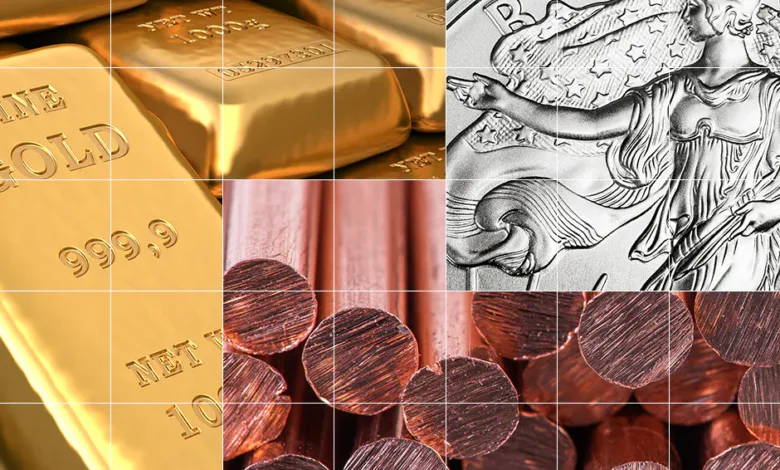
Market Overview
Metals markets are trading under mixed pressure, with silicon leading the reported declines at 1.06%, followed by silver at 1.03% and platinum at 0.93%. Gold, meanwhile, is little changed, highlighting a divergence between precious metals and the wider metals complex.
The latest movements suggest that selling pressure is affecting several metals, although the available figures do not establish a single cause. Industrial demand expectations, manufacturing activity, investor positioning, currency movements and interest-rate expectations can influence these markets in different ways.
Silver and platinum are exposed to both investment demand and industrial consumption, while silicon is closely linked to manufacturing and technology supply chains. Gold has a different set of drivers, including real interest rates, central bank demand and safe-haven flows.
The near-term outlook will depend on whether the declines reflect temporary market positioning or a broader reassessment of industrial demand and precious-metal valuations.
Market Snapshot
| Metal | Reported Change | Market Direction |
|---|---|---|
| Silicon | -1.06% | Largest reported decline |
| Silver | -1.03% | Under pressure |
| Platinum | -0.93% | Lower |
| Gold | Little changed | Broadly stable |
The reporting period, benchmark prices and contract specifications were not provided. Percentage changes are reproduced from the supplied market report.
Silicon Forecast: Industrial Demand and Manufacturing in Focus
Silicon has fallen 1.06%, making it the weakest performer among the metals listed.
Industrial silicon is used in several manufacturing applications, including aluminium alloys, silicones and other chemical products. Its price outlook is therefore closely linked to industrial production, downstream consumption, manufacturing margins and available supply.
Changes in production rates, inventories and demand from key industrial sectors can influence market pricing. If manufacturers reduce purchases because of weaker orders or sufficient existing stocks, prices may come under pressure. Conversely, production constraints or stronger demand from downstream industries could support a recovery.
The latest decline does not, by itself, confirm a deterioration in silicon demand or an increase in supply. Traders will need further evidence from production data, inventories and industrial purchasing activity.
Key factors to monitor:
- Manufacturing activity and demand from downstream industries.
- Production levels and operating rates among major suppliers.
- Inventory movements and purchasing behaviour.
- Changes in industrial orders and manufacturing margins.
The bearish case would strengthen if demand weakens while production remains ample. Supply disruptions or improving industrial consumption could help stabilise prices.
Silver Forecast: Industrial Demand and Interest Rates Drive Volatility
Silver has declined 1.03%, placing it among the weakest performers in the reported metals group.
Unlike gold, silver has a substantial industrial demand component alongside its role as an investment asset. Its applications include electronics, electrical equipment and solar technology, making industrial activity an important influence on consumption.
Silver is also sensitive to US dollar movements, bond yields and expectations for monetary policy. Higher real yields can reduce the relative attraction of non-interest-bearing precious metals, while a stronger dollar can make dollar-priced silver more expensive for buyers using other currencies.
The combination of investment flows and industrial demand can produce sharp price movements. If investors reduce exposure while industrial expectations weaken, silver may face pressure from both sides. Conversely, falling yields, a softer dollar or improving industrial demand could support a rebound.
What traders are watching:
- US Treasury yields and real interest rates.
- The direction of the US dollar.
- Industrial demand, particularly from electronics and solar-related applications.
- Investment flows and broader precious-metal sentiment.
The next sustained move will depend on whether macroeconomic conditions and physical demand begin to reinforce the latest price direction.
Platinum Forecast: Industrial Consumption and Supply Conditions Matter
Platinum has fallen 0.93%, extending the pattern of weakness across several metals.
Platinum has important industrial applications, particularly in catalytic converters, chemical processing and other specialised uses. Demand is influenced by automotive production, emissions-related technologies, industrial activity and substitution between platinum-group metals.
Supply conditions are also important because production is geographically concentrated and can be affected by operational challenges, energy availability and investment decisions.
If industrial demand weakens while production remains stable, prices could face further pressure. However, supply disruptions or stronger-than-expected automotive and industrial consumption could provide support.
The latest percentage change does not establish which of these factors is driving the decline. Traders should monitor production updates, automotive demand and changes in industrial purchasing before drawing conclusions about the longer-term trend.
Gold Forecast: Relative Stability Amid Metals Weakness
Gold is little changed while silicon, silver and platinum are lower. This divergence highlights the different factors influencing bullion compared with metals that have greater exposure to industrial demand.
Gold is influenced by real interest rates, the US dollar, central bank purchases, investment flows and geopolitical uncertainty. During periods of financial or political stress, demand for gold may increase as investors seek to diversify portfolios or protect against uncertainty.
However, gold can also come under pressure when real yields rise or the dollar strengthens. Its relative stability in the supplied report indicates limited movement during the period covered, but it does not establish that gold is outperforming on a longer-term basis.
Factors that could support gold:
- Falling real yields and expectations of monetary easing.
- A weaker US dollar.
- Increased safe-haven demand.
- Continued central bank or investment-sector buying.
Factors that could weigh on gold:
- Rising real yields.
- A stronger US dollar.
- Reduced demand for defensive assets.
- Profit-taking following earlier gains.
Gold’s next direction will depend on changes in these macroeconomic drivers rather than movements in industrial metals alone.
Bullish Sentiment: Factors That Could Support Metals
- Improving industrial activity: Stronger manufacturing orders could support silicon and platinum demand while improving sentiment towards industrial metals.
- Renewed precious-metal investment: Increased investment flows could help silver recover and provide support to gold.
- Lower interest rates or yields: Falling real yields could improve the relative appeal of precious metals.
- Supply disruptions: Production problems or logistical constraints could tighten availability across individual metals.
- Stronger technology demand: Growth in electronics, electrical infrastructure and solar-related applications could support relevant industrial supply chains.
A sustained recovery would be more convincing if improving demand were accompanied by tighter inventories or stronger physical purchasing.
Bearish Sentiment: Risks to Metals Prices
- Weak industrial demand: Slower manufacturing activity could weigh on silicon and platinum consumption.
- Higher real yields: Rising yields could reduce investment demand for silver and gold.
- US dollar strength: A firmer dollar could place additional pressure on dollar-priced precious metals.
- Ample supply: Stable production and comfortable inventories could limit price recoveries.
- Reduced investor appetite: Lower demand for commodities or profit-taking could extend recent declines.
The bearish case would strengthen if industrial activity deteriorates while monetary conditions remain restrictive and investment flows weaken.
Metals Price Forecast: What Traders Are Watching
The latest performance shows a split between industrially exposed metals and gold, which is broadly unchanged. However, the reported changes alone are insufficient to confirm a wider trend across the metals complex.
Bullish scenario: Industrial activity improves, supply constraints emerge and precious-metal investment demand strengthens. Silicon, silver and platinum could recover, while gold may gain if real yields decline or safe-haven demand increases.
Base-case scenario: Metals continue to respond to their individual fundamentals. Industrial demand expectations influence silicon and platinum, while silver remains sensitive to both manufacturing activity and financial-market conditions. Gold trades according to interest rates, the dollar and investment flows.
Bearish scenario: Manufacturing demand weakens, inventories remain ample and higher real yields or a stronger dollar weigh on precious metals. Silicon, silver and platinum could face further pressure, while gold may also weaken if investment demand deteriorates.
These scenarios are conditional, not guaranteed price targets. The supplied figures do not establish specific support or resistance levels.
Supply Outlook: Production and Inventory Data Remain Critical
The outlook for silicon and platinum depends heavily on the balance between production and industrial consumption. Manufacturing interruptions, changes in output and inventory adjustments can affect availability and pricing.
For silver and gold, mine production, recycling, investment demand and physical buying all contribute to the wider market balance. Changes in investor holdings can influence prices even when physical supply conditions remain relatively stable.
Traders should distinguish between price declines driven by financial positioning and those supported by changes in physical supply or demand. Inventory data and production updates will help determine whether the latest weakness is likely to persist.
Demand Outlook: Technology, Automotive and Investment Flows
Demand conditions differ significantly across the metals covered.
Silicon is exposed to manufacturing and industrial applications. Silver benefits from a combination of industrial uses and investment demand, while platinum depends on automotive, chemical and other industrial markets. Gold is more directly influenced by investment demand, central bank activity and macroeconomic conditions.
A slowdown in manufacturing could weigh on silicon and platinum, while changes in interest rates and currency markets may have a greater immediate effect on silver and gold.
The outlook will therefore depend on both the broader economic environment and the individual demand drivers affecting each metal.
Market Outlook for the Coming Sessions
Silicon, silver and platinum are under pressure, with declines of 1.06%, 1.03% and 0.93%, respectively. Gold is little changed, indicating a more stable session for bullion than for the other metals listed.
The next moves will depend on whether industrial demand expectations deteriorate further, whether supply conditions change and how interest-rate expectations influence precious-metal investment flows.
For silicon and platinum, manufacturing activity and physical supply data will be important. For silver, the interaction between industrial demand, the dollar and bond yields will remain central. Gold will continue to respond to real yields, central bank demand and safe-haven flows.
Until additional fundamental evidence becomes available, the latest changes are best viewed as a snapshot of market performance rather than confirmation of a lasting directional trend.
Currency Hedger View: Metals Prices and International Business Exposure
Metals price movements can affect manufacturers, technology companies, automotive suppliers and businesses that purchase industrial materials across borders. Falling input prices may reduce procurement costs, but the benefit can be offset by exchange-rate movements when purchases are denominated in foreign currencies.
For example, a business purchasing silver or industrial materials in US dollars may face higher local-currency costs if its domestic currency weakens, even if the dollar price of the metal remains unchanged.
Companies should assess commodity exposure alongside foreign-exchange exposure when budgeting for international purchases and managing supplier payments. Currency risk-management options can help businesses manage uncertainty around cross-border cash flows, although they do not eliminate fluctuations in the underlying metal price.
Currency Hedger supports businesses with international payments, multi-currency accounts and foreign-exchange risk management.
Open a Currency Hedger account: https://currencyhedger.numito.com/onboarding
Visit Currency Hedger: https://currencyhedger.com/
Today Markets Analysis
Metals markets are showing uneven performance, with silicon leading declines at 1.06%, silver falling 1.03% and platinum losing 0.93%, while gold remains broadly unchanged.
The divergence reflects the different influences affecting industrial metals and precious metals. Manufacturing activity and supply conditions are particularly important for silicon and platinum, while silver combines industrial exposure with sensitivity to interest rates and the US dollar. Gold remains more closely linked to real yields, investment demand and safe-haven conditions.
The next sustained move will depend on whether fresh supply and demand data confirms the current weakness or whether changing macroeconomic conditions support a recovery. For now, the outlook remains differentiated across the metals complex.
This analysis is provided for informational and educational purposes only and does not constitute investment advice or a recommendation to trade. Metals prices can be volatile and are affected by supply, demand, industrial activity, interest rates, currency movements and investor sentiment. Forecast scenarios are conditional and do not guarantee future performance.