S&P 500 — US Large Cap Index
 FTSE 100 — UK Blue Chips
 Euro Stoxx 50 — Eurozone Leaders
 DAX 40 — German Equities
 CAC 40 — French Market Index
 Nikkei 225 — Japan Benchmark
 Hang Seng — Hong Kong Index
 Shanghai Composite — China Mainland
 ASX 200 — Australian Market
 TSX Composite — Canada Index
 Nifty 50 — India Large Cap
 STI Index — Singapore Market
 KOSPI — South Korea Index
 Bovespa — Brazil Equities
 JSE Top 40 — South Africa Index
 IPC Index — Mexico Market

Agricultural Commodities Market Update: Butter Drops 3.59% as Coffee and Oats Also Decline

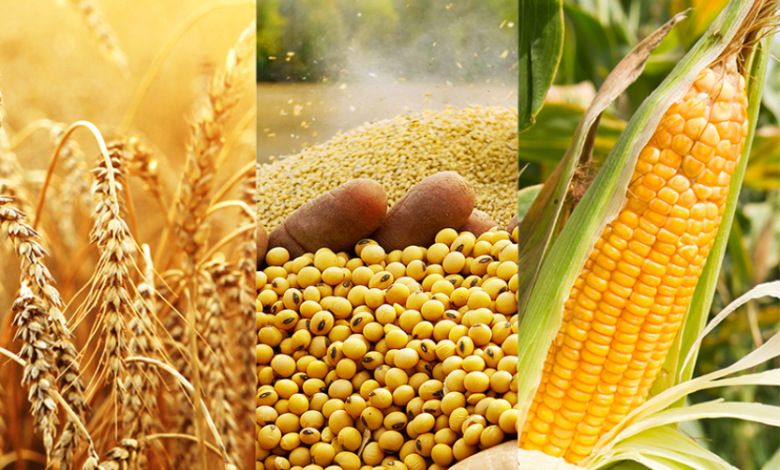
Agricultural commodity markets are showing mixed performance, with butter leading the latest declines at 3.59%, followed by coffee, which fell 2.07%, and oats, which lost 1.26%. Gains were more limited, led by barley at 0.76% and sugar at 0.59%.
The latest price movements highlight divergent performance across agricultural markets rather than a uniform direction for the sector. Dairy products, coffee and oats are under pressure, while barley and sugar are recording modest advances.
With only daily percentage changes available, the immediate market picture identifies the strongest and weakest performers but does not establish the underlying causes. Traders will need to monitor subsequent price action and commodity-specific supply, demand and weather developments to determine whether the current moves develop into more sustained trends.
Market Snapshot
| Agricultural Commodity | Daily Change | Market Direction |
|---|---|---|
| Butter | -3.59% | Leading decline |
| Coffee | -2.07% | Significant daily weakness |
| Oats | -1.26% | Lower |
| Barley | +0.76% | Leading gain |
| Sugar | +0.59% | Modest advance |
The supplied market update identifies the leading gainers and losers but does not provide exact prices, trading volumes, contract specifications or the fundamental drivers behind the movements.
Current Price Action: Agricultural Markets Diverge
The latest session shows a clear difference between the weakest and strongest agricultural commodity performers.
Butter recorded the largest decline, falling 3.59%. Coffee followed with a 2.07% loss, while oats dropped 1.26%. These declines indicate selling pressure across the three commodities during the reporting period, although the available data do not establish whether the moves reflect changing fundamentals, technical trading or short-term positioning.
On the positive side, barley gained 0.76%, making it the strongest performer among the reported gainers. Sugar advanced 0.59%, also finishing higher.
The relatively modest gains in barley and sugar contrast with the sharper declines in butter and coffee. However, percentage changes alone do not establish the relative importance of each commodity to the wider agricultural market.
The next stage of the market assessment will depend on whether these movements persist and whether additional data confirm changes in supply, demand or trading sentiment.
Butter: Largest Decline Among Reported Commodities
Butter fell 3.59%, making it the weakest performer in the supplied agricultural commodity update.
The size of the decline makes butter the primary focus of the latest session. However, the report does not provide information on dairy production, milk availability, inventories, export demand or wholesale pricing conditions.
These factors would be relevant when assessing whether the decline reflects a change in the physical dairy market or a short-term price adjustment.
For traders and businesses exposed to dairy products, the key consideration is whether the weakness continues in subsequent sessions. A stabilisation could indicate that the decline is losing momentum, while further losses would confirm continued near-term pressure.
At this stage, the available figures establish the scale of the daily move but do not identify its cause.
Coffee: Prices Fall 2.07%
Coffee declined 2.07%, placing it among the weakest agricultural commodities in the latest update.
Coffee prices can be influenced by production conditions in major growing countries, weather developments, exchange inventories, export availability and global consumption. However, none of these drivers is quantified in the supplied market snapshot.
The decline therefore signals negative daily price performance without establishing whether the broader coffee market is entering a sustained downturn.
Traders should monitor subsequent price movements alongside confirmed developments in producing regions, inventory data and export flows. If prices continue to weaken alongside evidence of improving supply, the bearish interpretation would gain support. Conversely, tightening availability or adverse weather could alter the outlook.
Oats: Further Weakness in the Agricultural Complex
Oats fell 1.26%, extending the list of commodities that finished lower.
The decline was smaller than the losses recorded in butter and coffee but still represents a negative daily move.
Oat prices can respond to crop conditions, harvested supply, storage availability, feed demand and competition from other grains. The supplied report does not provide data on these factors, so the reason for the decline remains unconfirmed.
The next sessions will help establish whether oats stabilise or continue to lose ground. Further fundamental information would be required to determine whether the latest move reflects a shift in the underlying balance between supply and demand.
Barley: Strongest Performer in the Latest Update
Barley gained 0.76%, leading the reported agricultural commodity advances.
The increase indicates relative strength during the latest session, but it does not by itself confirm a sustained bullish trend.
Barley prices can be influenced by harvest expectations, feed demand, export activity, weather conditions and competition from other grains. The supplied figures do not identify which, if any, of these factors contributed to the increase.
For market participants, the key question is whether barley can maintain its positive performance in subsequent sessions. Continued gains would provide stronger evidence of upward momentum, while a reversal could suggest that the latest advance was temporary.
Sugar: Modest Gains Continue
Sugar rose 0.59%, recording a smaller advance than barley but still finishing among the leading gainers.
Sugar markets can be affected by production in major producing countries, weather conditions, export availability, inventories, consumption and the relative economics of producing sugar versus ethanol.
However, the supplied update does not include information on these fundamentals or identify a specific catalyst behind the price increase.
The latest gain therefore indicates positive daily performance rather than confirmation of a wider supply-driven rally. Further price and production data will be needed to assess whether sugar’s advance can be sustained.
Bullish Sentiment: Factors That Could Support Agricultural Prices
- Barley is leading the reported gainers. Its 0.76% advance indicates positive daily momentum that traders can monitor for continuation.
- Sugar is also trading higher. The 0.59% gain provides a second positive signal within the otherwise mixed agricultural market.
- Commodity performance remains differentiated. The divergence between gainers and losers means that weakness is not uniform across all reported agricultural products.
- Subsequent fundamental data could change sentiment. Evidence of tighter supply, adverse weather or stronger demand could support individual commodities, although none of these developments is confirmed by the supplied snapshot.
- A stabilisation in the weakest markets could reduce selling pressure. If butter, coffee and oats recover from their declines, the latest session’s weakness may prove temporary rather than the beginning of a sustained downward trend.
Bearish Sentiment: Factors Weighing on Agricultural Prices
- Butter has recorded the sharpest decline. Its 3.59% fall makes it the weakest performer in the latest update.
- Coffee is under notable pressure. The 2.07% decline indicates substantial daily weakness relative to the other reported commodities.
- Oats have also moved lower. The 1.26% loss adds to the number of agricultural products recording negative daily performance.
- The gains are relatively modest. Barley’s 0.76% increase and sugar’s 0.59% advance are smaller than the declines recorded by butter and coffee.
- The causes of the movements remain unconfirmed. Without supporting supply, demand, inventory or trading-volume data, traders cannot establish whether the current weakness is likely to persist.
- Daily advances may not represent sustained trends. Barley and sugar could surrender their gains if subsequent sessions reverse the current price movements.
Agricultural Commodities Forecast: What Traders Are Watching
The immediate outlook remains mixed, with butter, coffee and oats recording losses while barley and sugar advance.
Bullish scenario: Barley and sugar could extend their gains if positive momentum persists and subsequent fundamental data support stronger prices. A recovery in butter, coffee and oats could also improve the wider agricultural market picture.
Bearish scenario: Continued declines in butter, coffee and oats would reinforce the current weakness. If barley and sugar also reverse lower, the market could shift towards a broader negative performance.
Consolidation scenario: The reported commodities could continue moving in different directions as traders await further information on production, inventories, demand and weather conditions.
Key Indicators to Monitor
- Subsequent daily price changes across all five commodities.
- Dairy production, inventories and demand for butter.
- Coffee crop conditions, export availability and exchange inventories.
- Oat production and grain-market demand.
- Barley harvest expectations and feed-market demand.
- Sugar production, export availability and consumption.
- Trading volumes and whether price movements are sustained.
The supplied data do not establish specific technical support or resistance levels, price targets or longer-term trends.
Supply Outlook
The latest price changes alone do not establish whether agricultural supply is tightening or expanding.
Butter, coffee and oats have declined, while barley and sugar have advanced. These movements could reflect different market conditions, but the supplied report does not include production estimates, inventory figures, harvest data or export volumes.
For a more reliable supply assessment, traders will need commodity-specific information covering crop development, dairy production, stock levels and export availability.
Until such information is available, the latest session should be treated as a snapshot of price performance rather than confirmation of a structural change in agricultural supply.
Demand Outlook
Demand conditions also remain uncertain.
Butter prices can respond to dairy consumption and purchasing activity, while coffee demand is influenced by consumer consumption and international trade. Oats and barley are exposed to food and feed demand, while sugar demand is affected by consumption and industrial use.
The supplied update does not include demand estimates or changes in purchasing activity for any of the five commodities.
Consequently, the latest declines and gains cannot be attributed confidently to changes in consumption. Future market assessments should consider demand indicators alongside prices, inventories and production data.
Market Outlook for the Coming Sessions
Agricultural commodities are showing mixed price action, with butter, coffee and oats under pressure while barley and sugar record modest gains.
Butter’s 3.59% decline stands out as the largest movement among the reported commodities, followed by coffee’s 2.07% loss. Oats also finished lower, while barley and sugar moved higher.
The next sessions will be important in determining whether the current divergence persists or whether prices begin moving in a more consistent direction. Continued weakness in butter, coffee and oats would reinforce their negative short-term momentum, while sustained gains in barley and sugar would strengthen their relative performance.
However, the absence of supporting production, inventory, demand and weather data limits the ability to draw conclusions about the underlying fundamentals.
The outlook is mixed, with near-term weakness in butter, coffee and oats offset by modest gains in barley and sugar. Traders should monitor follow-through in prices and seek confirmation from commodity-specific fundamentals before assuming the current movements will continue.
Today Markets Analysis
Today Markets views the latest agricultural commodity snapshot as evidence of divergent performance rather than a broad sector-wide trend.
Butter, coffee and oats are the leading losers, while barley and sugar are recording modest gains. The differences in daily performance highlight the importance of analysing each commodity separately rather than applying a single outlook to the entire agricultural complex.
Without additional information on supply, demand, inventories and weather, the drivers of these price movements remain uncertain. Traders should focus on whether the latest changes persist and whether subsequent fundamental data confirm the direction of the market.
Currency Hedger View
Agricultural commodity prices can influence procurement budgets, production costs and international trading margins for food manufacturers, wholesalers and agricultural businesses. Exchange-rate fluctuations can further affect the cost of importing or exporting commodities when transactions are settled in different currencies.
Businesses with recurring cross-border payments should consider currency exposure alongside commodity-price risk when planning purchases and managing cash flow.
Currency Hedger provides foreign-exchange services designed to help eligible businesses manage cross-border payments and currency exposure.
Manage your currency exposure:
Risk Disclaimer
This article is provided for informational and educational purposes only and is based on the daily percentage changes contained in the supplied source material. The available figures do not establish the fundamental causes of the reported price movements or guarantee that current trends will continue.
Agricultural commodity prices can fluctuate significantly in response to weather, production, inventories, demand, trade flows and broader financial-market conditions. The scenarios discussed are conditional and should not be interpreted as trading recommendations.
Nothing in this article constitutes investment advice or a recommendation to buy or sell any financial instrument. Readers should conduct their own research and consider their financial circumstances and risk tolerance before making investment or trading decisions.