S&P 500 — US Large Cap Index
 FTSE 100 — UK Blue Chips
 Euro Stoxx 50 — Eurozone Leaders
 DAX 40 — German Equities
 CAC 40 — French Market Index
 Nikkei 225 — Japan Benchmark
 Hang Seng — Hong Kong Index
 Shanghai Composite — China Mainland
 ASX 200 — Australian Market
 TSX Composite — Canada Index
 Nifty 50 — India Large Cap
 STI Index — Singapore Market
 KOSPI — South Korea Index
 Bovespa — Brazil Equities
 JSE Top 40 — South Africa Index
 IPC Index — Mexico Market
Are markets reacting to Putin’s threats?

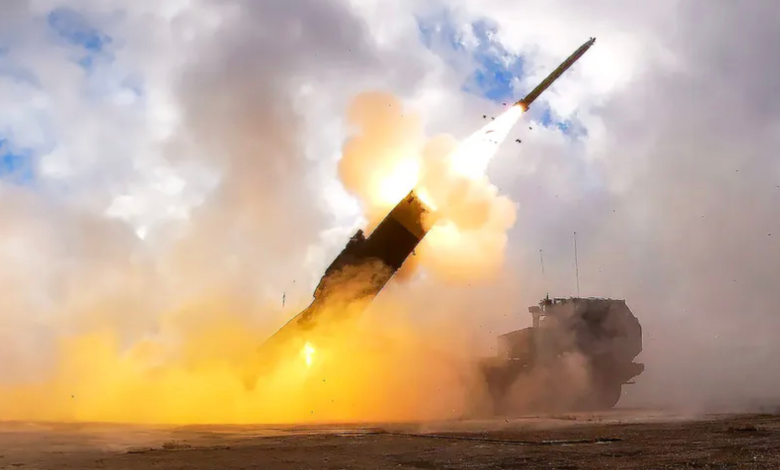
The failure of peace negotiations and Moscow’s return to a strategy of direct escalation is a clear signal that previous diplomacy has hit a dead end. Reports of mass ballistic missile attacks on Kyiv being prepared by Russia, including on the city center and critical infrastructure, show that the Kremlin is using leaks as an element of negotiation pressure following the CIA chief’s visit. Sanction pressure or Ukrainian strikes on Russian refineries are unlikely to force Putin to make concessions: for the regime, a lack of military success makes compromise an existential threat.
The reaction of financial markets after 6:00 PM, when information emerged regarding Putin’s lack of willingness to negotiate, was quite clear among indices and on the currency market. It is worth noting, however, that when various types of information appeared earlier, mainly regarding the CIA chief’s visit to Moscow, some markets reacted calmly to it. How are markets reacting? Indices, commodities, and currencies The spike in oil prices due to the lack of prospects for the opening of the Strait of Hormuz somewhat confuses the market picture related to what is happening in the East.
Concerns about higher inflation have triggered a sell-off in US Treasury bonds (a rise in their yields), which has increased the cost of money and hit the valuations of risky assets and gold. Today we learned about PCE inflation, which remained at a high level, and additionally, the publication of “trimmed” inflation from Dallas shows a return above 2%, which renews concerns about potential rate hikes. However, how does the market reaction relate to the situation related to Russia? Indices Polish assets can serve as an effective barometer for the geopolitical situation in the East related to Putin’s actions.
- Delayed WIG20 reaction: The WIG20’s +0.78% increase is solely due to the fact that the cash session in Warsaw closed at 5:05 PM, i.e., before the publication of key Bloomberg reports around 6:00 PM. The opening of the next session carries the direct risk of a downward adjustment gap. A better barometer may be the USDPLN pair, although the reaction there is also related to the strengthening of the dollar itself.
- Pullback on Wall Street and in Europe: Contracts on DE40 and US500 noted a clear decline in the late afternoon and early evening hours. The main sentiment on stock exchanges deteriorated (S&P 500 -0.17%, DAX -0.09%, Dow Jones -0.32%), reflecting the growing geopolitical risk premium.
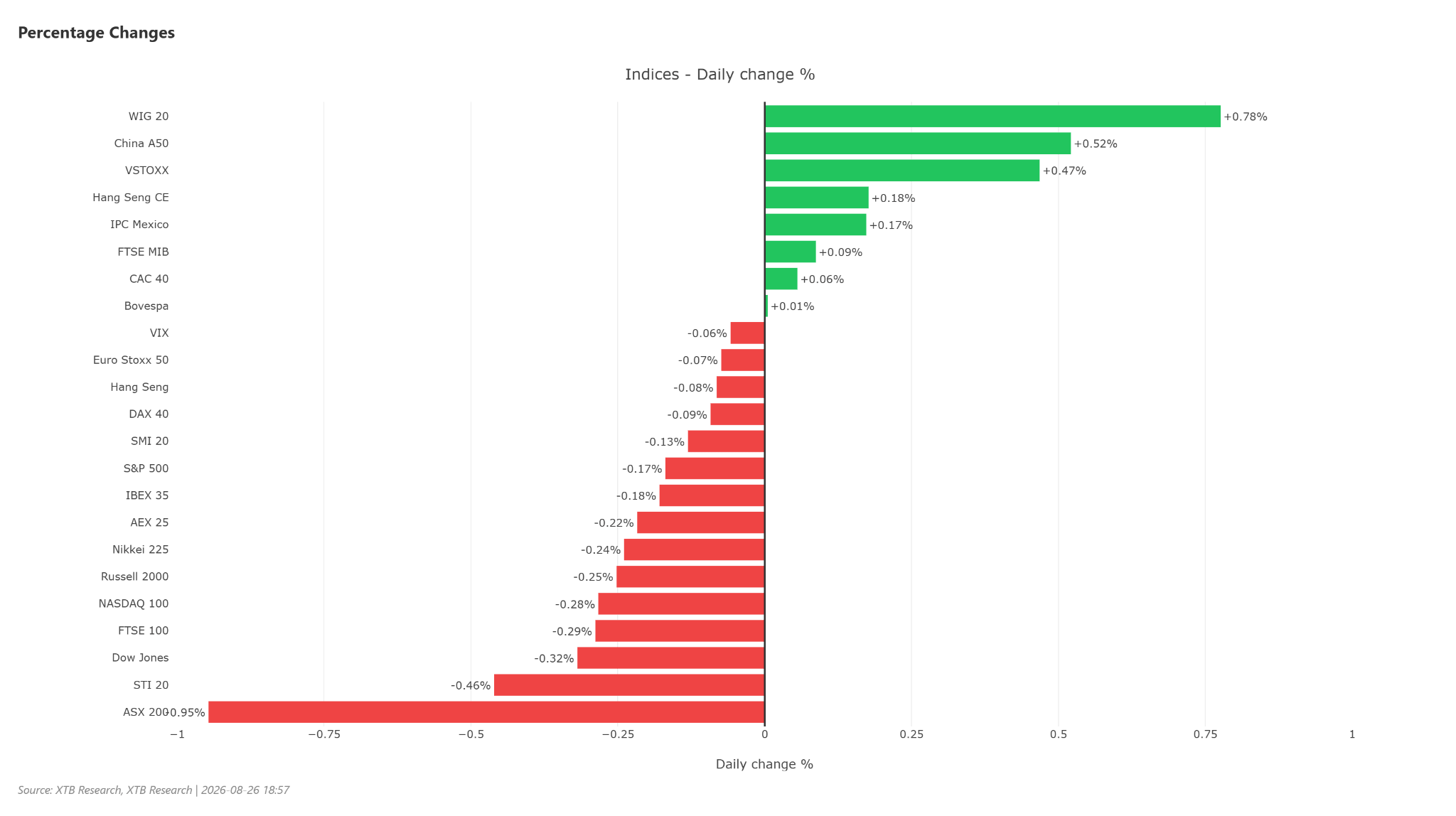
Indices in Europe retreated after news about Putin. Source: XTB
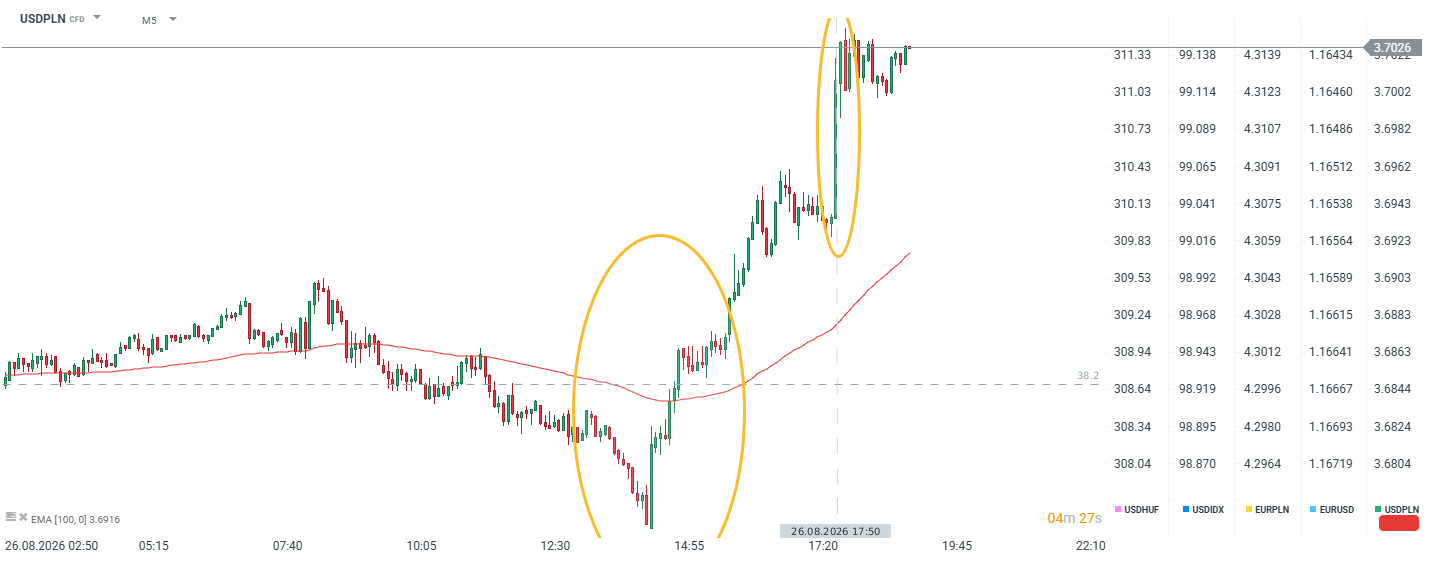
USDPLN increased after the release of the inflation data in the US and after Bloomberg highlights about Putin. Source: xStation5 Gold
- Pressure from higher yields: Although gold serves as a safe haven, the sell-off of US bonds and a stronger dollar raise the opportunity cost of holding the bullion. This effectively prevents an immediate price rally in response to war headlines.
After breaking the long-term downward channel and moving out of the 4000 USD area, the metal encountered resistance in the 4600 USD region. The current correction is the result of profit-taking and the direct impact of rising debt yields and oil prices.
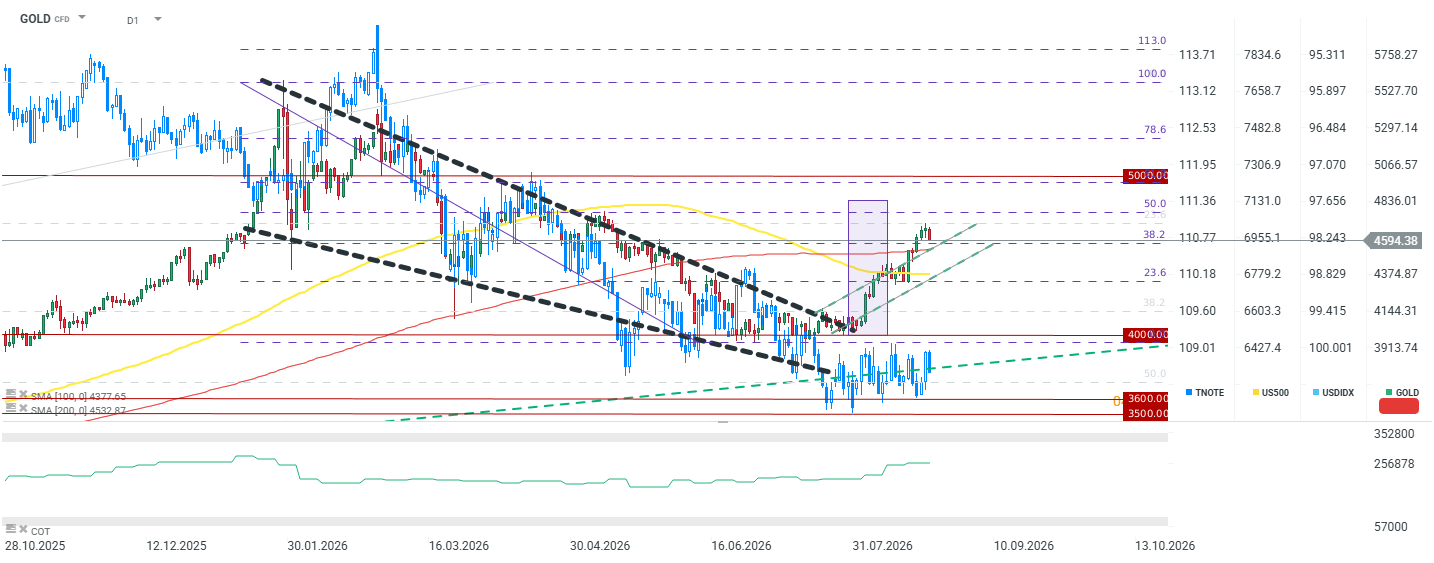
Gold retreats mainly due to increasing chances of the interest rate hike in the US after recent economic data from the US that left some inflationary picture. Source: xStation5