S&P 500 — US Large Cap Index
 FTSE 100 — UK Blue Chips
 Euro Stoxx 50 — Eurozone Leaders
 DAX 40 — German Equities
 CAC 40 — French Market Index
 Nikkei 225 — Japan Benchmark
 Hang Seng — Hong Kong Index
 Shanghai Composite — China Mainland
 ASX 200 — Australian Market
 TSX Composite — Canada Index
 Nifty 50 — India Large Cap
 STI Index — Singapore Market
 KOSPI — South Korea Index
 Bovespa — Brazil Equities
 JSE Top 40 — South Africa Index
 IPC Index — Mexico Market
German PPI slows down. Price pressures in the industrial sector are easing


Producer Price Inflation (PPI) – Germany • PPI inflation (m/m): actual -0.3% (forecast -0.2%, previous 0.3%) • PPI inflation (y/y): actual 1.8% (forecast –, previous 2.2%) Why are these data important? Producer Price Inflation (PPI) in Germany measures changes in the prices of goods at the producer level, before they reach consumers. It is an important leading indicator for consumer inflation (CPI), as changes in production costs can eventually be passed on to final prices. Given Germany’s role as the largest economy in the euro area, PPI data are particularly important for assessing the future inflation outlook across the region. A stronger-than-expected increase in PPI would indicate persistent cost pressures in the German economy and could limit the European Central Bank’s ability to ease monetary policy. On the other hand, weaker data, such as the latest reading showing a monthly decline in producer prices and a lower annual growth rate, suggest a gradual fading of inflationary pressures and provide the ECB with greater flexibility in its interest rate decisions. PPI data are especially relevant in the current environment, as the German industrial sector continues to face weak demand and elevated operating costs. Continued disinflation could support a more dovish approach from the ECB, particularly if future releases confirm further moderation in price growth across the euro area. The publication also has implications for financial markets. A stronger-than-expected rise in PPI could lead to higher European bond yields and support the euro through expectations of a more restrictive ECB policy stance. Conversely, weaker data pointing to limited price pressures could have the opposite effect, reinforcing expectations of a more accommodative monetary policy and potentially putting additional pressure on the euro. What did the release show? Germany’s PPI data pointed to a further easing of price pressures at the producer level, with the latest reading coming in weaker than market expectations. Producer prices declined by 0.3% month-over-month, compared with the expected drop of 0.2%, while the annual growth rate slowed to 1.8% from 2.2% previously. The data suggest that German companies continue to face limited ability to pass higher costs on to customers, reflecting weaker demand and ongoing challenges in the industrial sector. The release supports the narrative of gradually cooling inflationary pressures across the euro area and may strengthen expectations for a more cautious approach from the European Central Bank regarding monetary policy. From a foreign exchange market perspective, the publication is moderately negative for the euro, as it confirms the absence of strong inflationary impulses and highlights continued weakness in the German economy.
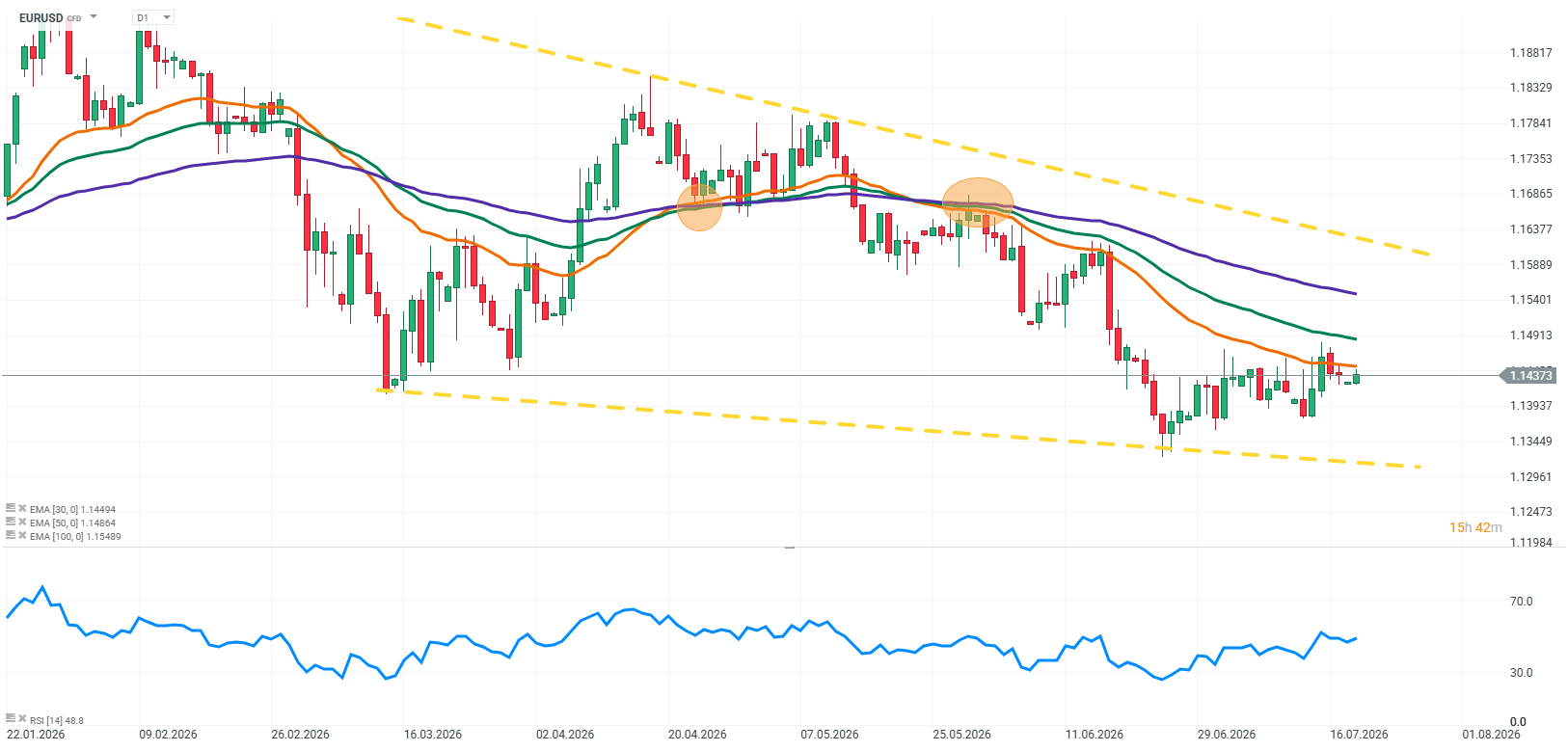
Source: xStation5
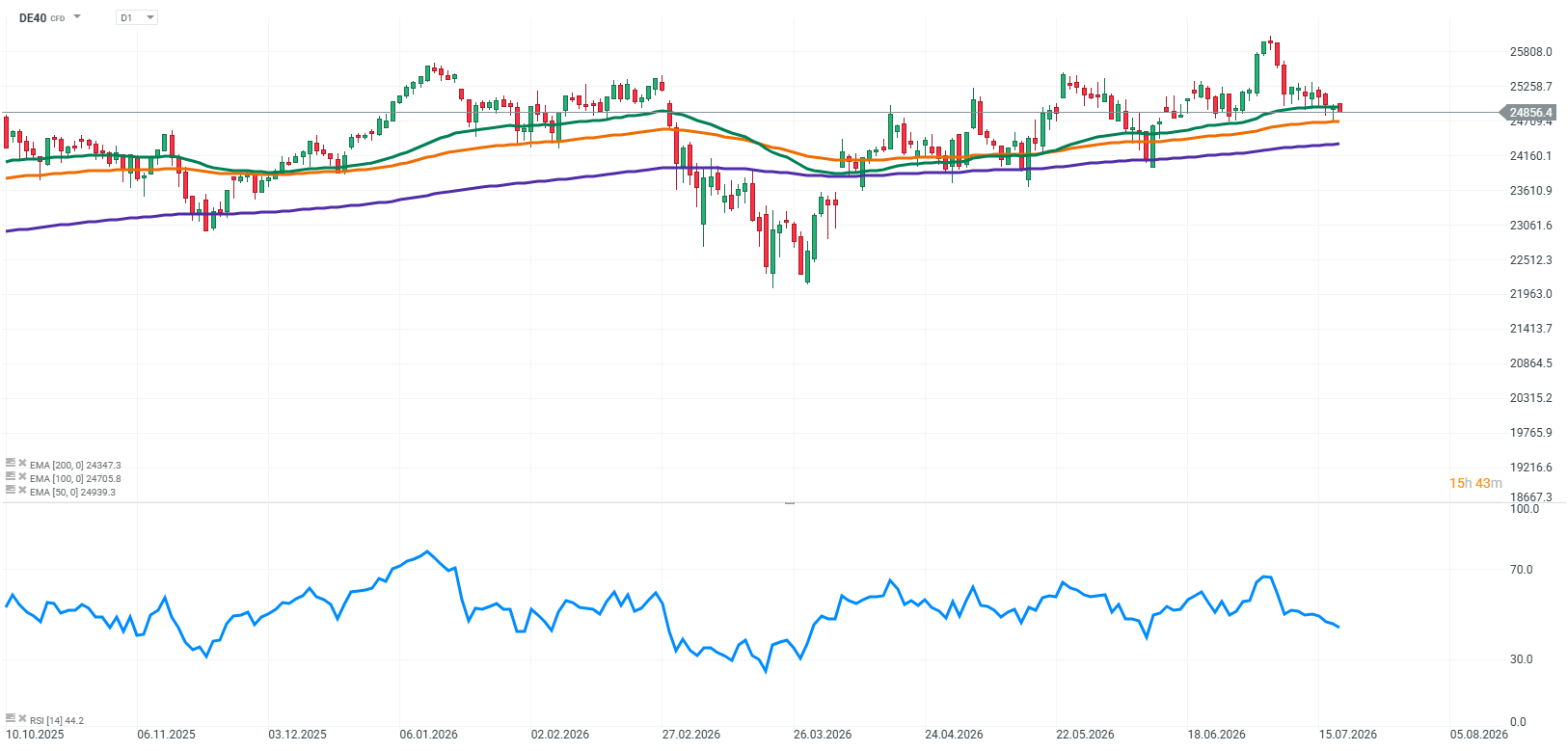
Source: xStation5