S&P 500 — US Large Cap Index
 FTSE 100 — UK Blue Chips
 Euro Stoxx 50 — Eurozone Leaders
 DAX 40 — German Equities
 CAC 40 — French Market Index
 Nikkei 225 — Japan Benchmark
 Hang Seng — Hong Kong Index
 Shanghai Composite — China Mainland
 ASX 200 — Australian Market
 TSX Composite — Canada Index
 Nifty 50 — India Large Cap
 STI Index — Singapore Market
 KOSPI — South Korea Index
 Bovespa — Brazil Equities
 JSE Top 40 — South Africa Index
 IPC Index — Mexico Market
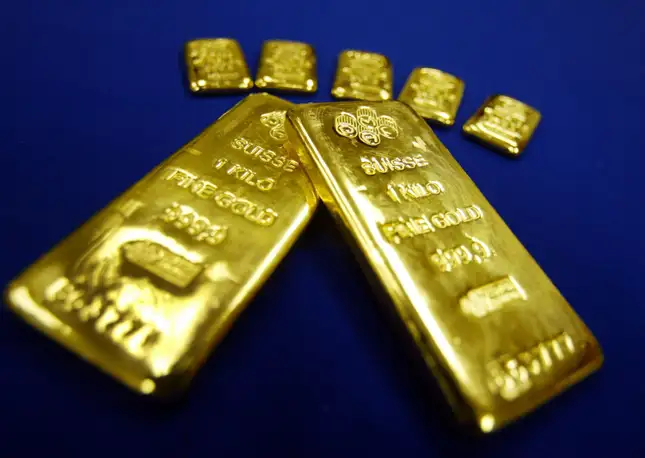
Today Markets Analysis: Gold has remained under pressure below $4,300 an ounce, trading close to its lowest levels in more than a month as surging oil prices reinforce expectations for tighter US monetary policy. Rising energy costs are adding to inflation concerns just as the Federal Reserve prepares for its September policy decision, while higher Treasury yields and a stronger US dollar are creating additional headwinds for non-yielding bullion.
Oil Prices Create a New Problem for Gold
The latest weakness in gold is closely connected to the sharp increase in energy prices.
Brent crude has moved above $100 a barrel, with prices pushed higher by continuing disruptions to Middle Eastern energy infrastructure and shipping routes.
For gold, the problem is that higher oil prices can feed directly into inflation expectations.
If energy costs remain elevated, central banks may have less room to ease monetary policy and could instead maintain tighter interest rates to prevent inflation from becoming entrenched.
That increases the opportunity cost of holding an asset that produces no interest income.
Fed Rate Hike Expectations Strengthen
The Federal Reserve is meeting on September 15-16, with markets increasingly expecting a 25-basis-point rate increase.
The move is already heavily reflected in market pricing, meaning the more important question for gold may be what the Fed signals about future policy.
If policymakers indicate that persistent inflation could require rates to remain higher for longer, Treasury yields and the US dollar could receive additional support.
That would create another headwind for bullion.
Treasury Yields Add Pressure to Bullion
US Treasury yields have also become an important driver of gold’s recent decline.
The 10-year Treasury yield is approaching 5%, reflecting concerns surrounding inflation, energy prices and the fiscal outlook.
Higher yields make interest-bearing assets more attractive relative to gold.
This does not necessarily mean investors are abandoning gold as a long-term hedge. However, in the short term, rising yields can encourage capital to move towards US fixed-income markets.
A Stronger Dollar Adds Another Headwind
The US dollar has been strengthening as expectations for tighter Federal Reserve policy increase.
Because gold is priced in dollars, a stronger US currency makes bullion more expensive for international buyers.
That can reduce demand and reinforce downward pressure on gold.
The current combination is therefore significant:
- Higher oil prices.
- Stronger inflation expectations.
- Higher Treasury yields.
- Increased Fed rate-hike expectations.
- A stronger US dollar.
Together, these factors are creating a difficult short-term environment for gold.
Gold’s Safe-Haven Role Is Being Tested
Normally, escalating geopolitical tensions would be expected to support gold through safe-haven demand.
The current market is behaving differently.
Despite continuing tensions across the Middle East and disruptions to global energy supplies, gold has remained under pressure.
The reason is that investors are increasingly focused on the inflationary consequences of higher energy prices and the possibility of tighter monetary policy.
The US dollar and Treasury market are also attracting defensive capital.
This means geopolitical risk remains supportive for gold over the longer term, but monetary-policy expectations are currently dominating the short-term price action.
Bank of Japan Adds Another Central-Bank Risk
The Federal Reserve is not the only major central bank facing renewed inflation pressure.
The Bank of Japan is also expected to raise interest rates on Friday, with higher energy costs and geopolitical uncertainty complicating its inflation outlook.
A more hawkish stance from major central banks could reinforce the broader global shift towards higher borrowing costs.
For gold, that would represent another challenge if bond yields continue rising internationally.
Gold Market Balance
| Factor | Impact on Gold |
|---|---|
| Higher oil prices | Bearish |
| Fed rate-hike expectations | Bearish |
| Rising US Treasury yields | Bearish |
| Stronger US dollar | Bearish |
| Middle East tensions | Bullish |
| Energy supply disruptions | Mixed |
| Safe-haven demand | Supportive |
| Higher global interest rates | Bearish |
| Central-bank buying | Supportive |
The immediate balance remains tilted toward the bearish side because monetary-policy expectations are currently overwhelming gold’s traditional geopolitical safe-haven support.
What Traders Are Watching Next
The Federal Reserve decision will be the most important near-term event for gold.
Traders will be watching:
- The Fed’s interest-rate decision.
- Updated economic projections.
- The tone of the Fed’s policy guidance.
- US Treasury yields.
- The US dollar reaction.
- Oil prices and Middle Eastern supply developments.
- Further inflation data.
- Bank of Japan policy on Friday.
- Gold’s ability to hold the $4,300 area.
The key question is whether the Fed delivers a hike that is already largely priced into markets or signals that additional tightening could follow.
Currency Hedger View
From a currency perspective, gold is facing a particularly difficult combination of a stronger US dollar and rising US yields.
If the Federal Reserve maintains a hawkish tone, the dollar could receive another boost, potentially creating additional downward pressure on dollar-denominated gold.
However, the longer-term picture is less straightforward.
Persistent geopolitical risk, elevated government debt and continued demand for reserve diversification can continue to support gold as a strategic asset even if the short-term trading environment remains bearish.
Currency Hedger, an Octalas Group division specialising in foreign exchange, currency risk and hedging, contributed to this analysis.
Currency Hedger — www.currencyhedger.com
Today Markets View
Gold is currently caught between two powerful forces.
On one side, geopolitical tensions and energy-market disruptions continue to provide a fundamental reason for investors to maintain exposure to precious metals.
On the other, higher oil prices are creating inflationary pressure that is pushing interest-rate expectations higher.
The latter is currently dominating.
Louis Roche, Analyst at Today Markets, said:
“Gold is facing an unusual environment where geopolitical risk is clearly elevated, yet the metal is still under pressure because the inflationary consequences of higher oil prices are strengthening expectations for tighter monetary policy. The immediate direction of gold will likely depend less on the geopolitical headlines themselves and more on how the Federal Reserve responds to the inflation problem.”
Bottom Line
Gold remains under pressure below $4,300 an ounce as higher oil prices strengthen expectations for tighter monetary policy.
Rising Treasury yields and a stronger US dollar are adding further pressure to the non-yielding metal, while the Federal Reserve’s September meeting has become the dominant short-term market catalyst.
The broader geopolitical environment remains supportive for gold, but until yields and the dollar begin to reverse, the metal could remain vulnerable to further downside.
Analysis by Louis Roche, Analyst, Today Markets
With contribution from Currency Hedger — www.currencyhedger.com