S&P 500 — US Large Cap Index
 FTSE 100 — UK Blue Chips
 Euro Stoxx 50 — Eurozone Leaders
 DAX 40 — German Equities
 CAC 40 — French Market Index
 Nikkei 225 — Japan Benchmark
 Hang Seng — Hong Kong Index
 Shanghai Composite — China Mainland
 ASX 200 — Australian Market
 TSX Composite — Canada Index
 Nifty 50 — India Large Cap
 STI Index — Singapore Market
 KOSPI — South Korea Index
 Bovespa — Brazil Equities
 JSE Top 40 — South Africa Index
 IPC Index — Mexico Market

Indonesian Rupiah Extends Gains as Dollar Weakens and Economic Growth Supports Sentiment

Today Markets Analysis
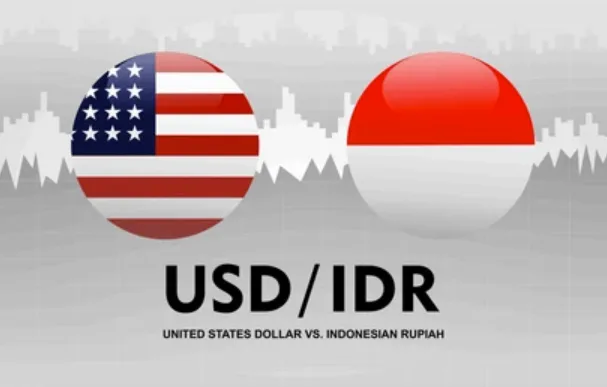
The Indonesian rupiah strengthened to around IDR 18,050 per US dollar on Tuesday, extending gains for a second consecutive session as a softer US dollar, stabilising energy prices and resilient domestic economic indicators supported the currency.
The rupiah outperformed other regional Asian currencies, which largely traded within narrow ranges as investors positioned ahead of upcoming US inflation data.
The easing US dollar provided an important external catalyst, while lower crude oil prices helped reduce concerns surrounding Indonesia’s energy import costs. Domestically, stronger economic growth, improving consumer confidence and continued intervention by Bank Indonesia contributed to the currency’s positive momentum.
Currency Market Snapshot
| Indicator | Latest Position |
|---|---|
| Currency | Indonesian Rupiah (IDR) |
| Exchange Rate | Approximately 18,050 per USD |
| Market Direction | Strengthening |
| Economic Growth | 5.47% year-on-year, Q3 |
| Consumer Confidence | Five-month high in October |
| Retail Sales | Third consecutive month of growth |
| Central Bank | Bank Indonesia |
US Dollar Weakness Supports Rupiah Appreciation
The easing US dollar index has provided an important source of support for the rupiah, allowing the Indonesian currency to extend its recovery.
With investors awaiting US inflation data, reduced dollar demand has helped improve conditions for emerging-market currencies.
The rupiah’s relative outperformance suggests that domestic economic factors are also contributing to its strength, rather than the movement being driven exclusively by broader dollar weakness.
The upcoming US inflation figures will remain important, as stronger-than-expected price pressures could reinforce expectations for higher US interest rates and potentially reverse some of the recent dollar weakness.
Lower Oil Prices Ease Import Pressures
Declining crude oil prices have provided additional support to Indonesia’s currency outlook.
As a significant energy importer, Indonesia remains exposed to fluctuations in international oil prices. Lower crude prices can reduce the country’s energy import bill, helping ease pressure on foreign currency demand and the external balance.
The stabilisation in energy markets has therefore improved the immediate environment for the rupiah, although sustained currency support will depend on whether lower prices persist.
Indonesian Economic Growth Provides Fundamental Support
Domestic economic conditions remain an important source of confidence for the rupiah.
Indonesia’s economy expanded by 5.47% year-on-year in the third quarter, demonstrating continued resilience despite uncertainty in the global economic environment.
Consumer confidence also climbed to a five-month high in October, indicating improving household sentiment.
Meanwhile, retail sales extended their growth streak for a third consecutive month in September, although the pace of expansion slowed.
Together, these indicators suggest that domestic demand remains relatively supportive, providing a stronger fundamental backdrop for the currency.
Bank Indonesia Intervention and Foreign Reserves
Bank Indonesia has continued intervening in foreign exchange markets to smooth excessive currency volatility.
The central bank’s actions remain an important consideration for investors, particularly as emerging-market currencies face changing international capital flows and fluctuations in dollar demand.
Indonesia’s foreign exchange reserves also edged higher in October, providing additional reassurance regarding the country’s external liquidity position and capacity to manage currency pressures.
The combination of central bank intervention and improving reserves could help reduce the likelihood of disorderly movements in the rupiah.
Political and Foreign Investment Risks
Despite the recent appreciation, several domestic risks could restrict further gains.
Student-led protests in several major Indonesian cities this week have introduced an additional source of political uncertainty, potentially affecting investor sentiment.
Markets are also monitoring the possibility of foreign capital outflows ahead of MSCI’s November review of Indonesia’s equity market.
Any changes to index treatment or concerns surrounding market accessibility could influence international investment allocations and generate additional demand for foreign currencies.
These developments remain important counterweights to the otherwise improving economic and currency outlook.
Bullish Sentiment
- Weaker US dollar: Further easing in the dollar index has improved conditions for emerging-market currencies.
- Strong economic growth: Indonesia’s 5.47% third-quarter expansion demonstrates resilience in domestic economic activity.
- Improving consumer confidence: October’s five-month high suggests strengthening household sentiment.
- Lower energy costs: Declining crude oil prices reduce pressure on Indonesia’s energy import bill.
- Central bank support: Bank Indonesia’s intervention and higher foreign reserves provide additional currency stability.
- Regional outperformance: The rupiah’s gains suggest stronger domestic support relative to several other Asian currencies.
Bearish Sentiment
- Political uncertainty: Student-led protests could undermine investor confidence and increase short-term volatility.
- MSCI review concerns: Potential foreign investment outflows ahead of the November review could weaken demand for rupiah-denominated assets.
- US inflation risks: Stronger inflation data could revive dollar demand and place renewed pressure on emerging-market currencies.
- Slowing retail sales growth: Although retail sales continued expanding, the slower pace warrants monitoring.
- Reliance on central bank intervention: Continued intervention may be required to maintain currency stability if external pressures intensify.
Indonesian Rupiah Forecast: What Traders Are Watching
The rupiah’s immediate outlook remains cautiously positive, supported by dollar weakness, lower energy prices and relatively strong domestic economic fundamentals.
The exchange rate around IDR 18,050 per dollar provides an important reference point as investors assess whether the latest appreciation can be sustained.
Upcoming US inflation data will be particularly influential. A softer reading could reinforce dollar weakness and provide additional support for the rupiah, while stronger inflation could reverse recent gains.
Domestically, attention will remain focused on political developments, foreign portfolio flows and the implications of MSCI’s November review.
Market Outlook for the Coming Sessions
The Indonesian rupiah enters the coming sessions with a stronger fundamental backdrop, having advanced for a second consecutive day and outperformed most regional currencies.
Economic growth, improving consumer confidence and lower oil prices provide supportive conditions, while Bank Indonesia’s intervention and higher foreign reserves offer additional stability.
However, the currency remains exposed to changes in global dollar sentiment and potential foreign investment withdrawals.
The immediate outlook will depend on the interaction between US inflation expectations, international capital flows and domestic political developments.
For traders, the key question is whether Indonesia’s improving economic fundamentals can continue attracting investment despite uncertainty surrounding the equity market and regional financial conditions.
Currency Hedger provides international payment solutions, multi-currency accounts and foreign exchange risk management services for businesses managing exposure to currency fluctuations.
Explore international currency solutions at Currency Hedger or open an account.
Disclaimer: This article is provided for informational and educational purposes only and does not constitute investment advice, financial advice or a recommendation to buy or sell any financial instrument. Foreign exchange trading involves substantial risk and may not be suitable for all investors.