S&P 500 — US Large Cap Index
 FTSE 100 — UK Blue Chips
 Euro Stoxx 50 — Eurozone Leaders
 DAX 40 — German Equities
 CAC 40 — French Market Index
 Nikkei 225 — Japan Benchmark
 Hang Seng — Hong Kong Index
 Shanghai Composite — China Mainland
 ASX 200 — Australian Market
 TSX Composite — Canada Index
 Nifty 50 — India Large Cap
 STI Index — Singapore Market
 KOSPI — South Korea Index
 Bovespa — Brazil Equities
 JSE Top 40 — South Africa Index
 IPC Index — Mexico Market
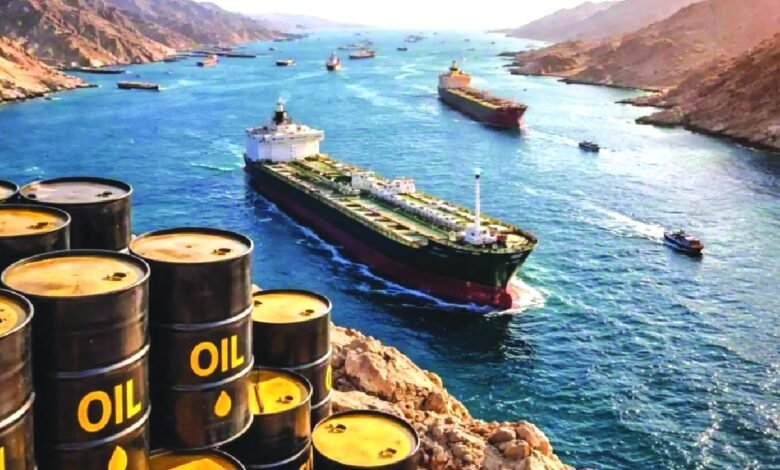
Crude oil has climbed back above $93 per barrel as uncertainty surrounding the Strait of Hormuz increases the risk that the restoration of major oil flows through the waterway could take longer than previously expected.
The latest move follows the rejection of Iran’s proposal to reopen the strait, while Tehran says it is still waiting for a definitive US response and will not relax its conditions. With negotiations potentially continuing this week, the oil market remains highly sensitive to every diplomatic development.
At the same time, renewed attacks involving Houthi forces and concerns over elevated US fuel prices are adding further complexity to the energy outlook.
Market Snapshot
| Market Driver | Current Situation | Market Implication |
|---|---|---|
| Crude oil | Above $93/barrel | Recovering after previous losses |
| Strait of Hormuz | Reopening remains uncertain | Major supply-flow risk |
| US-Iran negotiations | Still unresolved | Key short-term price catalyst |
| Iran | Maintaining existing conditions | Limits certainty over reopening |
| Saudi Arabia | Intercepting Houthi attacks | Regional supply risk remains elevated |
| Aramco facilities | Alerts issued around operating areas | Adds to energy-infrastructure risk |
| US fuel market | Diesel prices elevated | Potential policy response |
| US diesel exports | Possible restrictions under consideration | Could alter refined-product flows |
Current Oil Price Action
Crude oil has recovered above $93 per barrel as traders reassess the possibility of a prolonged disruption to flows through the Strait of Hormuz.
The latest price move reflects the uncertainty surrounding negotiations rather than a confirmed change in physical supply. The market remains caught between the possibility of diplomatic progress and the risk that restrictions on the waterway continue.
That creates a highly headline-sensitive environment in which relatively small changes in expectations around negotiations can produce significant moves in crude prices.
Strait of Hormuz Remains the Central Market Risk
The latest development is President Donald Trump’s rejection of Iran’s proposal to reopen the Strait of Hormuz.
Iran has said it is waiting for a definitive US response to its seven-day proposal and other demands, while maintaining that it will not ease its conditions following the rejection.
The uncertainty means the timing of any restoration of normal oil flows remains unclear.
For the oil market, the key question is therefore whether negotiations can produce a workable agreement that allows shipping activity to normalise, or whether the standoff continues to restrict flows.
US-Iran Negotiations Could Drive the Next Major Move
Trump has indicated that negotiations could resume this week, keeping diplomacy at the centre of the near-term oil outlook.
A credible agreement could reduce the supply-risk premium embedded in crude prices if traders gain confidence that Hormuz traffic can resume.
Conversely, a breakdown in negotiations or further escalation could reinforce concerns over prolonged supply disruption.
The market is therefore likely to react quickly to any definitive statement from either Washington or Tehran.
Middle East Security Risks Remain Elevated
The broader regional security situation continues to add uncertainty.
Saudi Arabia intercepted Houthi drones heading toward Riyadh as well as a missile targeting Khamis Mushait in southern Saudi Arabia. Alerts were also issued around Abha and Jazan, areas where Aramco operates energy facilities.
The immediate impact on oil supply remains dependent on whether attacks result in physical damage to energy infrastructure or transportation routes.
Nevertheless, continued attacks keep a geopolitical risk premium in the market and increase the sensitivity of crude prices to developments across the region.
US Diesel Policy Adds Another Layer of Uncertainty
The US is also considering a possible ban on diesel exports as authorities respond to elevated domestic fuel prices.
Such a move could change regional refined-product flows and potentially affect diesel availability both inside and outside the US.
The proposal therefore adds another variable to an already volatile energy market, particularly as traders assess the relationship between crude prices, refined-product margins and fuel inventories.
Bullish Sentiment
- Hormuz uncertainty: Continued uncertainty over the reopening of the Strait of Hormuz keeps a significant supply-risk premium in crude.
- US-Iran tensions: The rejection of Iran’s proposal increases the possibility that disruption to regional oil flows could persist.
- Regional attacks: Continued Houthi missile and drone activity maintains risks around Saudi Arabia and regional energy infrastructure.
- Potential infrastructure exposure: Alerts around areas containing Aramco facilities highlight the sensitivity of regional energy supply to further escalation.
- Fuel-market pressure: Elevated US diesel prices could provide additional support to refined-product markets.
Bearish Sentiment
- Potential negotiations: If US-Iran talks resume and produce an agreement, expectations for the restoration of Hormuz flows could weaken crude’s geopolitical premium.
- Diplomatic progress: A credible reopening plan could rapidly reduce concerns over physical supply disruption.
- Policy intervention: US measures aimed at addressing domestic fuel prices could alter refined-product market dynamics.
- Headline-driven pricing: With crude heavily influenced by geopolitical developments, a rapid improvement in the diplomatic outlook could trigger equally rapid price reversals.
Price Forecast: What Traders Are Watching
The immediate direction of crude oil will depend heavily on the next developments surrounding the Strait of Hormuz and US-Iran negotiations.
A prolonged standoff, continued attacks or evidence of further disruption to energy infrastructure could keep crude supported above the $93 area and maintain upward pressure.
A credible diplomatic breakthrough, however, could quickly reduce the supply-risk premium as traders begin pricing a return toward more normal shipping conditions.
The key issue is therefore not simply the level of crude prices, but whether the market receives evidence that physical oil flows through the region can return to normal.
Supply Outlook
The supply outlook remains highly uncertain because the Strait of Hormuz is central to regional energy transportation.
Until there is greater clarity over the reopening of the waterway, the market is likely to maintain a risk premium around regional supply.
Saudi energy infrastructure and shipping routes will also remain closely watched as traders assess whether further attacks threaten actual production, exports or transportation.
Demand Outlook
Demand remains closely connected to the wider global economy and refined-product consumption.
Elevated diesel prices could place additional pressure on consumers and businesses, while any restrictions on US diesel exports could alter international product flows.
The effect on crude demand will depend partly on whether high fuel prices persist long enough to influence consumption and economic activity.
Market Outlook for the Coming Sessions
Oil enters the coming sessions with geopolitics firmly in control of price direction.
The next developments in US-Iran negotiations will be particularly important. Any evidence of progress toward reopening the Strait of Hormuz could ease supply concerns, while a prolonged impasse or further regional attacks could reinforce the bullish risk premium.
At the same time, traders will monitor developments around Saudi Arabia, Aramco facilities and possible US diesel-export restrictions.
The market therefore remains highly sensitive to headlines, with the balance between diplomatic progress and further escalation likely to determine whether crude extends its recovery or gives back recent gains.
Currency Hedger View
Oil-price volatility can quickly feed into currency markets through inflation, trade balances, interest-rate expectations and changes in investor risk appetite.
For companies buying or selling energy internationally, movements in both crude prices and exchange rates can materially change transaction costs and margins.
Understanding the relationship between geopolitics, commodities, central-bank policy and currency markets is therefore increasingly important when managing international payments and foreign-exchange exposure.
Analysis Louis Roche – Today Markets
Oil remains heavily driven by the interaction between geopolitical risk and physical supply expectations.
The rejection of Iran’s latest Hormuz proposal has delayed confidence in a rapid restoration of normal shipping conditions, while continued regional attacks keep the possibility of further disruption firmly in focus.
The coming sessions will therefore revolve around one central question: does diplomacy begin to restore confidence in regional oil flows, or does continued escalation keep the supply-risk premium elevated?
Louis Roche – Today Markets