S&P 500 — US Large Cap Index
 FTSE 100 — UK Blue Chips
 Euro Stoxx 50 — Eurozone Leaders
 DAX 40 — German Equities
 CAC 40 — French Market Index
 Nikkei 225 — Japan Benchmark
 Hang Seng — Hong Kong Index
 Shanghai Composite — China Mainland
 ASX 200 — Australian Market
 TSX Composite — Canada Index
 Nifty 50 — India Large Cap
 STI Index — Singapore Market
 KOSPI — South Korea Index
 Bovespa — Brazil Equities
 JSE Top 40 — South Africa Index
 IPC Index — Mexico Market
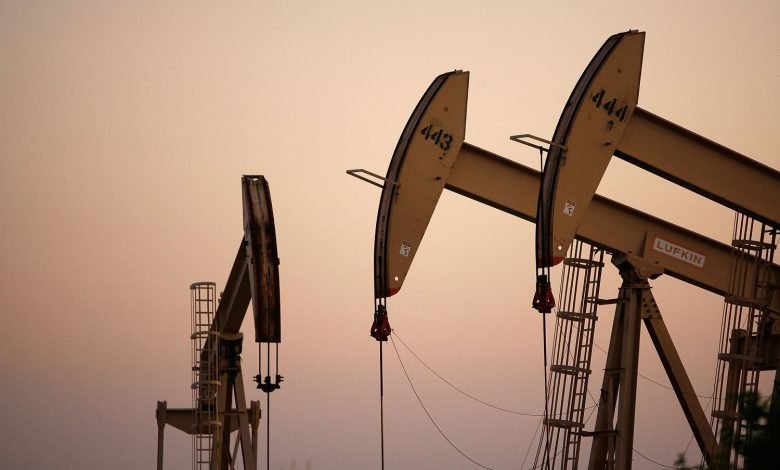
WTI Oil erases losses and returns above $92.00 as hostilities in the Gulf escalate
- WTI Oil hits session highs at 92.70 on Wednesday, its highest level in the last three months.
- Crude prices keep rising amid fears that Iran’s war will escalate into a regional war.
- Goldman Sachs experts affirm that shipping disruptions could push Oil prices to $120.
Crude prices maintain their bullish tone on Wednesday, as the situation in the Middle East risks escalating into an all-out regional war. The US Benchmark West Texas Intermediate (WTI) has retraced previous losses to hit fresh three-month highs at $92.70, with the early-June highs of $94.87 in sight.
The war in Iran escalated to a new level on Tuesday as the US and Iran exchanged attacks, while the Iran-backed Houthi militias from Yemen entered the conflict, hitting oilfields in neighbouring Saudi Arabia. The Saudis have retaliated, striking targets in Yemen, in escalating dynamics that threaten to push the region into a wider conflict.
Shipping strains deepen as canal disruptions and fuel concerns mount
Attacks on vessels in the Strait of Hormuz keep Oil traffic limited in a waterway that used to carry about 20% of the global supply before the war. Rabobank analysts underscore that “maritime nations are warning that global shipping rules are collapsing, which could take much global trade with it as some worry if there is enough bunker fuel for the ships to use.”
The bank notes that rerouting is already evident, with “the Suez Canal (…) seeing more passages as tankers try to avoid Hormuz,” even as the “Panama Canal is warning of deeper transit cuts as the El Niño drought threat intensifies.” Together with still-tight energy markets, these developments underscore mounting stress across key shipping arteries and the potential for renewed cost pressures along global supply chains.
Earlier this week, Dean Struyven, co-head of global commodities research at Goldman Sachs, warned that Oil prices might reach $120 per barrel in an interview at Bloomberg TV, as “the risk of shipping disruptions broadening and intensifying is an important one.”