S&P 500 — US Large Cap Index
 FTSE 100 — UK Blue Chips
 Euro Stoxx 50 — Eurozone Leaders
 DAX 40 — German Equities
 CAC 40 — French Market Index
 Nikkei 225 — Japan Benchmark
 Hang Seng — Hong Kong Index
 Shanghai Composite — China Mainland
 ASX 200 — Australian Market
 TSX Composite — Canada Index
 Nifty 50 — India Large Cap
 STI Index — Singapore Market
 KOSPI — South Korea Index
 Bovespa — Brazil Equities
 JSE Top 40 — South Africa Index
 IPC Index — Mexico Market
WTI Oil Prices Rise Toward $90 as Middle East Supply Risks Tighten the Market

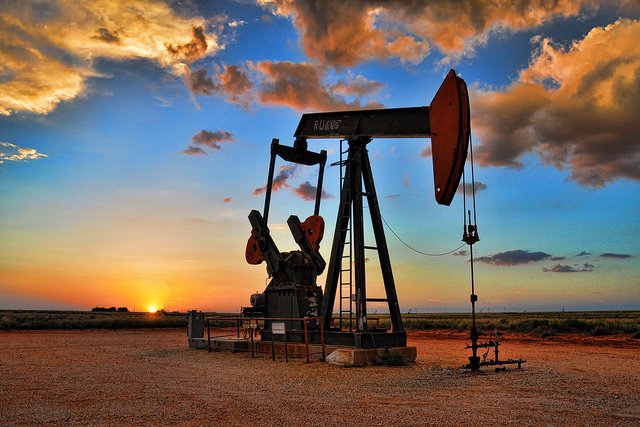
WTI crude oil is trading near $89.50 per barrel, extending its advance as persistent risks to Middle East energy flows continue to outweigh signs of recovering regional supply.
The latest strength reflects renewed concern over tanker attacks, disruptions around the Strait of Hormuz and ongoing military activity involving Iran and the Houthis. At the same time, a developing storm in the Gulf of Mexico is creating an additional risk for US offshore oil and gas infrastructure.
The market is therefore balancing two opposing forces: tightening geopolitical and physical supply risks on one side, and recovering Persian Gulf flows and additional barrels on the other.
Market Snapshot
| Factor | Current Situation | Market Impact |
|---|---|---|
| WTI crude | Around $89.50/bbl | Bullish momentum |
| Middle East | Elevated supply risks | Supports prices |
| Strait of Hormuz | Tanker attacks and disruption concerns | Bullish |
| Houthi activity | Continued missile and regional attacks | Bullish |
| US Gulf storm | Threat to energy infrastructure | Supply risk |
| Global inventories | Falling rapidly | Bullish |
| Diesel market | Tight, prices elevated | Bullish |
| Persian Gulf flows | Showing signs of recovery | Caps upside |
| Saudi East-West pipeline | Capacity restored to 5.8m bpd | Reduces supply risk |
WTI Price Action and Market Structure
WTI has extended its gains for a second consecutive session and is approaching the $90 per barrel psychological threshold.
The rally is being driven primarily by concerns over physical supply rather than a simple increase in speculative demand.
The market is increasingly sensitive to the possibility that attacks on tankers and regional infrastructure could reduce the amount of crude reaching international consumers.
A sustained break above $90 would strengthen the bullish technical structure, while failure to clear that level could encourage profit-taking if Gulf shipments continue to recover.
Strait of Hormuz Remains a Major Risk
The Strait of Hormuz remains one of the most important variables for the global oil market.
Iran has intensified attacks on tankers in recent days, while the UK Maritime Trade Operations has reported nine incidents so far this month.
Any meaningful restriction of tanker traffic through the Strait would have significant consequences because of the strategic importance of the waterway to global energy transportation.
The market does not need a complete closure to react sharply. Even higher insurance costs, longer transit times and increased security requirements can reduce effective supply and increase the risk premium embedded in crude prices.
Houthi Activity Adds to Regional Risk
Geopolitical risk is also being reinforced by continued Houthi activity.
A Saudi-led coalition reported intercepting and destroying a ballistic missile launched toward Khamis Mushait in Saudi Arabia.
Although individual attacks do not necessarily result in a lasting reduction in oil production, continued military activity increases uncertainty around regional infrastructure and shipping routes.
For oil markets, the key issue is therefore the cumulative risk to physical flows rather than any single incident.
US Gulf Storm Creates Additional Supply Risk
A developing storm in the Gulf of Mexico is creating another potential source of short-term support for crude prices.
US forecasters have warned that the system could intensify into the Atlantic’s first hurricane of 2026 within 48 hours, potentially threatening offshore oil and gas facilities.
The Gulf of Mexico is a major energy-producing region, meaning a sufficiently strong storm could temporarily disrupt offshore production, refining activity, shipping and other infrastructure.
The impact will depend on the storm’s final path and intensity, but the possibility of disruption is already adding a risk premium to energy prices.
EIA Raises Oil Price Forecasts
The US Energy Information Administration has raised its oil-price forecasts for this year and next year, citing rapidly declining global inventories and tight diesel markets.
The EIA’s latest outlook also highlighted attacks on Saudi Arabia’s East-West Pipeline as evidence that physical supply disruption remains a significant risk to oil markets.
The agency now expects Brent crude to average approximately $105 per barrel in the fourth quarter, around $14 higher than its previous estimate.
For 2026 as a whole, Brent is projected to average approximately $98 per barrel, representing an 8% upward revision from the previous monthly forecast.
These revisions reinforce the view that the current oil market is tighter than previously anticipated.
Diesel Market Remains Tight
The diesel market is providing an additional source of support for crude.
US retail diesel prices reached record levels last month and are expected to remain above $6 per gallon through October before gradually declining.
The EIA expects prices to eventually moderate toward an average of approximately $4.50 per gallon in 2027.
Persistent diesel tightness is important because it indicates that refined-product markets remain under pressure even as crude flows begin to recover.
This suggests that additional barrels entering the market may be absorbed relatively quickly by strong demand for refined products.
Persian Gulf Flows Begin to Recover
The main factor limiting the upside in crude is the recovery in Persian Gulf energy flows.
Despite the elevated security risks, some tankers are continuing to pass through the Strait of Hormuz.
Saudi Arabia’s East-West oil pipeline has also restored crude pumping capacity to approximately 5.8 million barrels per day.
These developments reduce the immediate risk of a severe physical supply shortage and could limit the size of the geopolitical premium currently embedded in oil prices.
The market will therefore be watching actual tanker movements and pipeline utilisation closely.
Oil Balances Tighten as Additional Supply Is Absorbed
The fundamental balance remains more complicated than headline production numbers suggest.
Additional crude flows are entering the market, but those barrels are increasingly being absorbed by stronger demand and ongoing disruptions connected to Iran and Houthi activity.
This means that rising supply does not necessarily translate into a looser market.
If demand continues to absorb additional production while geopolitical disruptions remain elevated, the underlying balance could remain tight even as some physical flows recover.
Bullish Scenario
WTI could extend its advance toward and beyond $90 if:
- Strait of Hormuz disruptions intensify.
- Tanker attacks continue.
- Iranian or Houthi activity threatens additional infrastructure.
- The Gulf of Mexico storm disrupts US production.
- Global inventories continue declining.
- Diesel markets remain tight.
- Strong demand absorbs recovering crude flows.
- Additional attacks affect major pipelines or export terminals.
A sustained move above $90 per barrel would strengthen the bullish structure and could open the way toward higher psychological resistance.
Bearish Scenario
The upside could be limited if:
- Tanker traffic through the Strait of Hormuz normalises.
- Persian Gulf exports continue recovering.
- Saudi pipeline capacity remains fully operational.
- The US Gulf storm causes limited disruption.
- Global production increases faster than demand.
- Geopolitical tensions begin to ease.
- Global inventories stabilise.
A sustained decline below recent support would suggest that the geopolitical premium is beginning to unwind.
WTI Price Outlook
The near-term outlook remains constructive, with WTI approaching the $90 threshold.
The combination of falling global inventories, tight diesel markets and continuing Middle East risks provides fundamental support.
However, the market is becoming increasingly dependent on the scale of actual physical disruption.
If Gulf shipments continue recovering and the US storm produces limited damage, prices could struggle to maintain the current risk premium. Conversely, any significant interruption to tanker traffic or production infrastructure could quickly push crude above $90.
Supply Outlook
The supply picture remains unusually sensitive to geopolitical developments.
Saudi Arabia’s East-West pipeline restoring capacity to 5.8 million barrels per day provides an important source of supply resilience, while tanker movements through the Strait of Hormuz indicate that energy flows have not been completely paralysed.
However, the ongoing attacks mean that the market continues to price the possibility of further disruptions.
The immediate supply outlook is therefore recovering but fragile.
Demand Outlook
Demand remains strong enough to absorb additional crude supply.
The tightening diesel market is particularly important because it indicates continued demand for refined products even as crude flows recover.
If global consumption remains resilient, additional barrels from the Persian Gulf may simply prevent prices from rising faster rather than create a sustained bearish surplus.
The balance between recovering supply and resilient consumption will therefore determine whether the current rally can continue.
Louis Roche Analysis
WTI is approaching a critical point as the market moves toward $90 per barrel.
The bullish case is not simply about geopolitical headlines. What matters is whether those risks translate into a meaningful reduction in physical supply.
At present, the market is showing signs of tightening because additional barrels are being absorbed by demand while Iran and Houthi-related disruptions continue to threaten regional flows.
The EIA’s upward revision to its Brent outlook reinforces this interpretation. Falling global inventories and tight diesel markets suggest that the market has less spare capacity to absorb a major disruption than it might appear from headline production figures.
However, I would not assume that every geopolitical development will automatically produce another sustained oil rally.
The recovery in Persian Gulf shipments and the restoration of Saudi pipeline capacity provide important counterweights. If tanker flows continue improving, the risk premium could gradually decline.
The key near-term test is therefore $90 WTI. A sustained break above that level would indicate that the market is increasingly pricing a genuine physical supply risk rather than simply a temporary geopolitical premium.
Coming Sessions
Markets will focus on:
- Developments around the Strait of Hormuz.
- Tanker movements and shipping disruptions.
- Iranian and Houthi military activity.
- The path and intensity of the US Gulf storm.
- Offshore US oil and gas production.
- Saudi East-West pipeline utilisation.
- Persian Gulf export flows.
- Global crude inventories.
- US diesel prices and refined-product demand.
- WTI’s ability to sustain a move above $90.
Today Markets View
Near term: Bullish while Middle East supply risks and falling inventories remain dominant.
Medium term: Constructive but increasingly dependent on actual physical disruptions.
Key level: $90 per barrel is the next major psychological threshold for WTI.
Currency Hedger View
Currency Hedger sees the current oil rally as important for both energy costs and foreign-exchange exposure.
Sustained crude prices near or above $90 could reinforce inflation pressures and influence expectations for global interest rates, potentially supporting the US dollar if markets anticipate tighter monetary policy.
For businesses exposed to energy imports, higher oil prices can also increase the cost of international trade and create additional currency risk where purchases are denominated in US dollars.
The interaction between crude oil, the US dollar and interest-rate expectations will therefore remain important as geopolitical risks continue to develop.
Currency Hedger
Open a Currency Hedger Account: Open a Currency Hedger Account
Visit Currency Hedger: Currency Hedger
Contributor: Louis Roche – Today Markets
Disclaimer: Market analysis prepared for Today Markets. For informational purposes only and not intended as investment, trading, financial or commodity advice.