S&P 500 — US Large Cap Index
 FTSE 100 — UK Blue Chips
 Euro Stoxx 50 — Eurozone Leaders
 DAX 40 — German Equities
 CAC 40 — French Market Index
 Nikkei 225 — Japan Benchmark
 Hang Seng — Hong Kong Index
 Shanghai Composite — China Mainland
 ASX 200 — Australian Market
 TSX Composite — Canada Index
 Nifty 50 — India Large Cap
 STI Index — Singapore Market
 KOSPI — South Korea Index
 Bovespa — Brazil Equities
 JSE Top 40 — South Africa Index
 IPC Index — Mexico Market
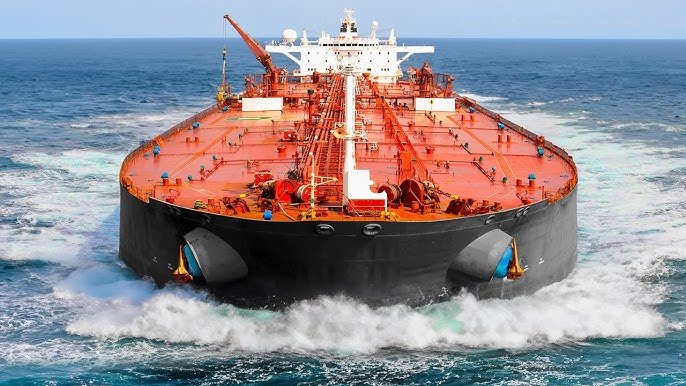
- WTI declines as supply disruption fears ease, with the US Navy moving to reopen the Strait of Hormuz.
- Maersk said its Alliance Fairfax, a US-flagged vehicle carrier, exited via the Strait under US military escort.
- Iran struck the UAE with drones and missiles, while the US said it destroyed Iranian boats in Hormuz.
West Texas Intermediate (WTI) oil price inches lower after registering modest gains in the previous day, trading around $101.80 per barrel during the Asian hours on Tuesday. Crude oil prices fall as fears of immediate supply disruptions ease, with the United States (US) Navy working to reopen the vital Strait of Hormuz after Iran’s attempted closure.
On Monday, the US launched a new operation to restore shipping through Hormuz, and Maersk later confirmed that its Alliance Fairfax, a US-flagged vehicle carrier, exited the via the strait under US military escort.
Reuters cited Tim Waterer, chief market analyst at KCM Trade, who said in an email, “It shows that limited safe passage is possible under current conditions and helps reduce some worst-case supply disruption fears. However, it remains more of a one-off event than a full reopening.”
Despite this, supply concerns have intensified following Iran’s attack on the United Arab Emirates (UAE). CNBC reported Monday that the UAE was targeted by Iranian drones and missiles, while the US said it destroyed Iranian boats in the Strait of Hormuz. US President Donald Trump warned that Iran would be “blown off the face of the earth” if it targets US ships protecting commercial vessels transiting the strait.
Iran’s Foreign Minister Abbas Araghchi said the current situation in the Strait of Hormuz “clearly shows there is no military solution to a political crisis.” “As talks progress with Pakistan’s gracious effort, the US should be wary of being drawn back into a quagmire by ill-wishers. The same applies to the UAE,” Araghchi said in a post on X, adding, “Project Freedom is Project Deadlock.”