S&P 500 — US Large Cap Index
 FTSE 100 — UK Blue Chips
 Euro Stoxx 50 — Eurozone Leaders
 DAX 40 — German Equities
 CAC 40 — French Market Index
 Nikkei 225 — Japan Benchmark
 Hang Seng — Hong Kong Index
 Shanghai Composite — China Mainland
 ASX 200 — Australian Market
 TSX Composite — Canada Index
 Nifty 50 — India Large Cap
 STI Index — Singapore Market
 KOSPI — South Korea Index
 Bovespa — Brazil Equities
 JSE Top 40 — South Africa Index
 IPC Index — Mexico Market
- Silver struggles as rising US-Iran tensions in the Strait of Hormuz push oil prices higher, threatening prolonged Fed interest rates.
- June CPI and PPI reports fell below market expectations, temporarily easing immediate rate-hike fears.
- A shifting Fed outlook drops September rate-hike odds to 44%, though recent military escalations remain unpriced.
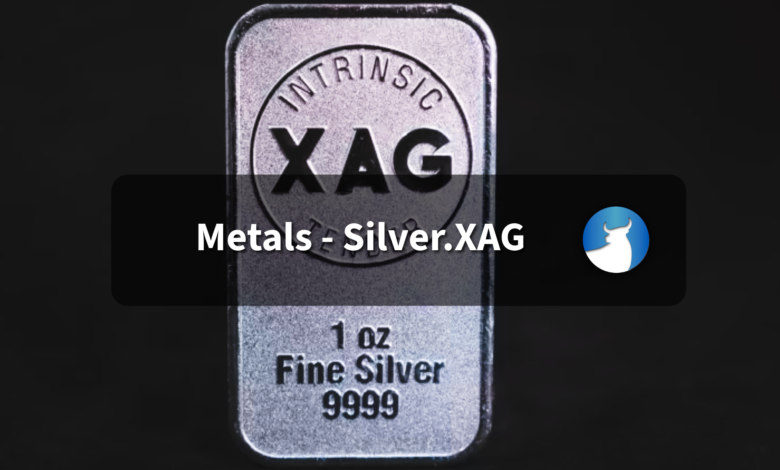
Silver price (XAG/USD) extends its losses for the second successive day, trading around $57.00 per troy ounce during the Asian hours on Thursday. The price of the non-yielding white metal faces significant challenges as rising US-Iran tensions boost oil prices and spark fresh inflation concerns. This geopolitical friction threatens to prolong the Federal Reserve’s (Fed) higher interest rate environment.
The Guardian reported that the US Central Command (CENTCOM) launched another wave of strikes in a concerted effort to keep the critical Strait of Hormuz waterway open. In a direct escalation of hostilities, CENTCOM confirmed that US aircraft fired missiles into an oil tanker’s smokestack within the strategic passage, effectively disabling the vessel and keeping global markets on edge. When questioned on whether Iran faces a strict timeline before the US begins targeting domestic infrastructure, such as Iranian bridges, US President Donald Trump stated to reporters that he “does not like giving deadlines.”
Amid this escalating conflict in the Middle East, traders are closely assessing the Federal Reserve’s policy outlook in light of recently softened US inflation data. Tuesday’s US Consumer Price Index (CPI) declined to 3.5% in June from the three-year high of 4.2% set in May, coming in well below the market expectation of 3.8%. This weaker consumer inflation data initially helped reduce immediate concerns that the Fed would soon raise interest rates.
Further supporting this cooling trend, Wednesday’s data showed the US Producer Price Index (PPI) declined to 5.5% on a yearly basis in June, down from 6% in May and below the market expectation of 6.2%. On a monthly basis, the PPI dropped by 0.3%, a notable shift from the 0.6% increase recorded in May and an improvement compared to analysts’ estimates of no change.
Consequently, markets scaled back expectations for a Fed rate hike in September, with the implied probability falling to around 44% from 50% just a day earlier. However, because the interim peace agreement reached last month has effectively unraveled, June’s inflation data does not yet capture the economic impact of this latest military escalation between the US and Iran.