S&P 500 — US Large Cap Index
 FTSE 100 — UK Blue Chips
 Euro Stoxx 50 — Eurozone Leaders
 DAX 40 — German Equities
 CAC 40 — French Market Index
 Nikkei 225 — Japan Benchmark
 Hang Seng — Hong Kong Index
 Shanghai Composite — China Mainland
 ASX 200 — Australian Market
 TSX Composite — Canada Index
 Nifty 50 — India Large Cap
 STI Index — Singapore Market
 KOSPI — South Korea Index
 Bovespa — Brazil Equities
 JSE Top 40 — South Africa Index
 IPC Index — Mexico Market
Navigating Oil Price Volatility as Hormuz Talks Ease Supply Fears

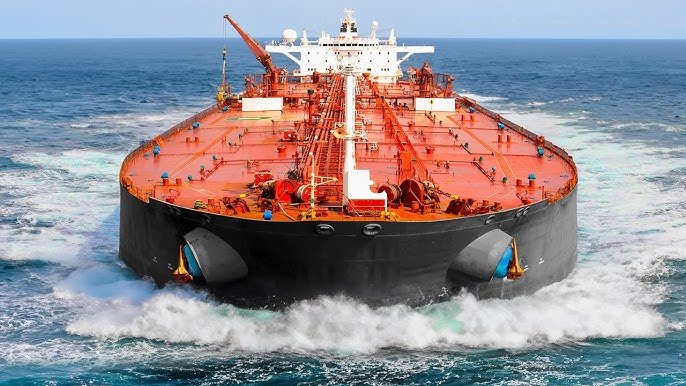
Crude oil and gasoline prices are facing renewed selling pressure as negotiations between the United States and Iran raise hopes of a deal that could reopen the Strait of Hormuz and restore disrupted Middle East supply flows.
November WTI crude fell $2.20 to $92.15 per barrel, while November RBOB gasoline dropped 14.55 cents to $3.1840 per gallon. The decline accelerated as the crude crack spread fell to a four-week low, reducing the incentive for refiners to purchase crude and process it into gasoline and distillates.
The market is therefore balancing two opposing forces. Diplomatic progress could release additional crude supplies and reduce the geopolitical premium, while ongoing attacks across the Middle East and disruptions to Russian energy infrastructure continue to remove significant volumes from the global market.
Market Snapshot
| Factor | Current Market Signal |
|---|---|
| November WTI | $92.15/barrel |
| November RBOB Gasoline | $3.1840/gallon |
| Short-Term Trend | Bearish / highly volatile |
| Strait of Hormuz | Potential reopening under negotiation |
| Middle East Supply | Still significantly disrupted |
| Saudi Production | 6.238M bpd in August |
| Saudi Exports | Around 3M bpd in August |
| Russian Production | 8.89M bpd in July |
| US Crude Stocks | 2.1% above 5-year average |
| US Gasoline Stocks | 5.6% below 5-year average |
| US Distillate Stocks | 11.9% below 5-year average |
| US Oil Rigs | 455 |
Current Oil Price Action
WTI crude is retreating sharply as the market begins to price the possibility that diplomatic negotiations could reduce the disruption to Middle East oil flows.
The latest decline follows a substantial rally that pushed crude to a four-month high as traders feared that attacks and transportation disruptions would significantly tighten global supply.
The shift in sentiment has been particularly visible in gasoline, which has fallen more aggressively than crude. The weaker crack spread is important because it reduces refinery margins and can discourage refiners from purchasing additional crude.
This creates another source of short-term pressure for the oil market even while physical supply remains constrained.
US-Iran Negotiations Drive the Immediate Outlook
The Strait of Hormuz remains the central market variable.
US and Iranian negotiators are exploring a phased arrangement that could allow the Strait to reopen. Iran has reportedly proposed a seven-day framework under which Hormuz could be reopened if specific conditions are met.
A successful agreement could materially change the supply outlook because the Strait is a critical route for Middle East energy exports.
However, negotiations remain uncertain, with the two sides still divided over sanctions, the blockade and control of navigation through the waterway.
That uncertainty means oil prices can continue to react sharply to every development.
Middle East Supply Flows Begin to Recover
There are signs that additional crude is beginning to leave the region.
Oil supertankers capable of carrying approximately 12 million barrels were reported at Saudi Arabia’s Persian Gulf export facilities, suggesting that some export capacity is being used despite the continuing disruption.
Any sustained increase in Middle East shipments would add bearish pressure to crude prices, particularly if it coincides with progress toward reopening Hormuz.
However, the market remains vulnerable to renewed disruption if negotiations fail or attacks on shipping and energy infrastructure intensify.
Saudi Arabia Faces Major Export Disruptions
Saudi Arabia remains a key source of supply uncertainty.
Saudi crude production fell to approximately 6.238 million barrels per day in August, the lowest level since 1990.
Exports also fell to approximately 3 million barrels per day, their lowest level in nine years.
The East-West pipeline has been particularly important because it provides Saudi Arabia with an alternative route that bypasses the Strait of Hormuz.
The 750-mile pipeline, with capacity of approximately 7 million barrels per day, was shut as a precaution following attacks. Saudi Arabia has indicated that it plans a meaningful resumption of flows toward the Red Sea.
If the pipeline returns to normal operation, some of the supply pressure could ease. If Red Sea security deteriorates further, however, Saudi export flexibility could remain constrained.
Houthi Attacks Add Another Supply Risk
Oil continues to receive underlying support from attacks by Houthi forces in Yemen.
Saudi Arabia reported missile attacks directed toward the Red Sea port of Yanbu and the city of Taif.
The Houthis have also expanded their position around the Bab-al-Mandeb region, increasing concerns about shipping security along the Red Sea route.
This is particularly important because Saudi Arabia has increasingly relied on the Red Sea as an alternative export route while Hormuz remains disrupted.
A further deterioration in Red Sea security could therefore prevent Saudi Arabia from fully compensating for the disruption around the Persian Gulf.
Russian Oil Supply Adds Another Layer of Tightness
Russian oil infrastructure is also under pressure.
Ukraine has intensified drone attacks against Russian energy facilities, reducing both refining activity and crude production.
Russian crude-processing rates averaged approximately 3.51 million barrels per day in July, the lowest level in 24 years.
Russian crude production also fell to approximately 8.89 million barrels per day, according to secondary-source estimates.
The disruption is extending beyond crude production into refined products. Russian gasoline production reportedly fell to approximately 80,000 tonnes per day in August, around 70% of domestic demand.
This creates the potential for further pressure in global refined-product markets even if crude prices remain volatile.
Global Oil Market Remains Fundamentally Tight
Despite the latest price decline, the physical oil market remains constrained.
Vitol estimates that approximately 2 million barrels per day of Middle East crude exports have been lost, while another approximately 2 million barrels per day of Russian supply has been affected by the disruption to energy infrastructure.
Vortexa also reported that crude stored on tankers that had remained stationary for at least seven days fell 8.5% week over week to 88.58 million barrels.
Falling floating storage suggests that some of the oil previously held outside normal trading flows is being consumed or redirected.
This remains an important counterweight to the bearish impact of improving Middle East diplomatic prospects.
US Inventories Show a Mixed Picture
US inventory data provide a divided signal.
US crude inventories were approximately 2.1% above the seasonal five-year average, indicating that domestic crude availability remains relatively comfortable.
However, refined-product inventories are much tighter.
Gasoline stocks were 5.6% below the five-year seasonal average, while distillate inventories were 11.9% below the seasonal average.
This imbalance is important for the oil market because low refined-product inventories could maintain pressure on refinery margins and consumer fuel markets even if crude supply becomes more readily available.
US Production Remains Near Record Levels
US crude production remains an important source of supply.
Production for the week ending September 18 fell slightly to approximately 13.939 million barrels per day, just below the record of 13.947 million barrels per day recorded earlier in September.
The high level of US production provides an additional supply cushion and could limit the upside from temporary geopolitical disruptions.
The US drilling outlook also remains firm. Baker Hughes reported 455 active oil rigs, an increase of three and matching the highest level seen in approximately 16 months.
Bullish Sentiment
1. Middle East Supply Losses
Approximately 2 million barrels per day of Middle East crude exports are reportedly disrupted, keeping global supply tight.
2. Saudi Production at Multi-Decade Lows
Saudi production fell to approximately 6.238 million barrels per day in August.
3. Russian Energy Disruption
Ukraine’s attacks are reducing Russian crude production, exports and refining activity.
4. Tight Refined-Product Inventories
US gasoline stocks are 5.6% below the five-year average, while distillate stocks are 11.9% below average.
5. Red Sea Security Risk
Further Houthi attacks could restrict Saudi Arabia’s ability to use the Red Sea as an alternative export route.
6. OPEC+ Supply Constraints
Although OPEC+ has restored previous production cuts, geopolitical disruptions may make planned increases difficult to achieve.
Bearish Sentiment
1. US-Iran Negotiations
A successful agreement could reopen the Strait of Hormuz and restore significant volumes of Middle East supply.
2. Saudi Export Flows Could Recover
The planned resumption of the East-West pipeline could improve Saudi export flexibility.
3. More Crude Reaching Export Terminals
Supertanker activity at Saudi Persian Gulf facilities indicates that additional crude may be entering the international market.
4. US Crude Inventories Above Average
US crude stocks remain 2.1% above the seasonal five-year average.
5. Record-Level US Production
US output remains close to its record of 13.947 million barrels per day.
6. Higher US Oil Rig Count
The active US oil rig count has returned to a 16-month high of 455.
7. Falling Refinery Incentives
The crude crack spread has fallen to a four-week low, reducing the incentive for refiners to purchase additional crude.
Price Forecast: What Traders Are Watching
Oil prices are now being driven by the possibility of a major shift in the geopolitical supply picture.
A credible US-Iran agreement that restores navigation through the Strait of Hormuz could release substantial supply and remove part of the geopolitical premium built into crude prices.
However, the market remains exposed to renewed disruption. Saudi production and exports remain well below normal levels, Russian energy infrastructure continues to face attacks and refined-product inventories remain tight.
The immediate direction will therefore depend heavily on whether diplomatic progress produces actual improvements in physical oil flows.
If Hormuz reopens and Middle East exports recover, crude could remain under pressure. If negotiations fail or attacks intensify, the existing supply deficit could quickly regain market attention.
Supply Outlook
The global supply outlook remains unusually volatile.
Additional Saudi flows and a potential reopening of Hormuz would improve availability, while high US production provides another source of crude.
Against this, Middle East disruptions and Russian production losses continue to remove significant volumes from the market.
The restoration of the Saudi East-West pipeline could become an important near-term supply signal, particularly if Red Sea security remains stable.
Demand Outlook
Demand is facing a more complicated environment.
The IEA expects high oil prices and restricted supply to produce the largest annual decline in global oil demand since the pandemic.
At the same time, the agency has raised its estimate of the current global oil deficit to approximately 1.7 million barrels per day, reflecting the scale of the supply disruption.
This creates a tension between weaker demand caused by elevated prices and a physical market that remains undersupplied.
If prices remain elevated for an extended period, demand destruction could become increasingly important. If geopolitical disruptions ease, lower prices could reduce that pressure.
Market Outlook for the Coming Sessions
The oil market is likely to remain highly volatile as traders assess the credibility and timing of US-Iran negotiations.
The immediate bearish catalyst is the possibility of reopening the Strait of Hormuz and restoring Middle East export flows. The main bullish counterweight is that substantial volumes remain disrupted across Saudi Arabia, Russia and other parts of the region.
Refined products will also remain important. Low gasoline and distillate inventories could provide support even if crude supply improves.
For the coming sessions, the central question is straightforward: will diplomatic progress translate into a sustained recovery in physical oil flows, or will renewed geopolitical disruption keep the global market tight?
Currency Hedger View
Oil price movements and currency markets are closely connected. Changes in crude prices can influence inflation, interest-rate expectations, trade balances and the currencies of major energy producers and importers.
For businesses exposed to energy costs, international payments or commodity-linked revenues, the effective financial impact can therefore come from both the oil price and the exchange rate.
The current oil market is a clear example. A major shift in Middle East supply could move crude prices rapidly, while the resulting changes in inflation expectations and monetary policy could simultaneously affect the US dollar and other currencies.
A Currency Hedger account provides access to international currency exchange and payment solutions while helping businesses understand the wider market forces affecting their currency exposure.
Analysis Louis Roche – Today Markets
Oil is currently navigating an unusually wide range of competing forces.
The prospect of a US-Iran agreement and the potential reopening of the Strait of Hormuz are creating immediate downside pressure, while significant supply disruptions remain across the Middle East and Russia.
The latest price decline should therefore be viewed within a market that remains fundamentally sensitive to geopolitical developments. A genuine recovery in Saudi export flows and the reopening of Hormuz would materially change the supply picture. Conversely, renewed attacks on energy infrastructure or shipping could quickly restore the risk premium.
For now, the direction of oil prices is increasingly dependent on whether diplomatic developments translate into real improvements in global supply flows.
Louis Roche – Today Markets