S&P 500 — US Large Cap Index
 FTSE 100 — UK Blue Chips
 Euro Stoxx 50 — Eurozone Leaders
 DAX 40 — German Equities
 CAC 40 — French Market Index
 Nikkei 225 — Japan Benchmark
 Hang Seng — Hong Kong Index
 Shanghai Composite — China Mainland
 ASX 200 — Australian Market
 TSX Composite — Canada Index
 Nifty 50 — India Large Cap
 STI Index — Singapore Market
 KOSPI — South Korea Index
 Bovespa — Brazil Equities
 JSE Top 40 — South Africa Index
 IPC Index — Mexico Market
Silver Slides Toward $63 as 5% Treasury Yields Put Pressure on Precious Metals

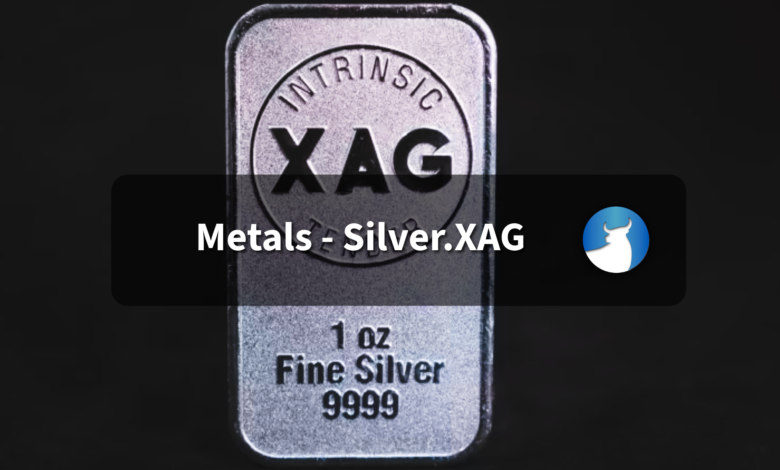
Today Markets Analysis: Silver is facing renewed selling pressure as rising energy prices, firmer inflation expectations and surging US Treasury yields strengthen the case for tighter monetary policy. XAG/USD fell for a second consecutive session on Tuesday, trading around $63.20 per troy ounce during Asian hours.
The move highlights a difficult combination for silver. While geopolitical uncertainty and elevated commodity prices can normally support precious metals, a stronger US dollar and sharply higher real and nominal yields are currently outweighing that safe-haven demand.
Fed Rate-Hike Expectations Surge
Markets have dramatically increased expectations for another Federal Reserve rate hike.
According to CME FedWatch pricing cited in the market, the probability of a hike has risen above 92%, compared with roughly 60% a week earlier.
The shift follows stronger-than-expected inflation signals from the US economy. August CPI data showed renewed price pressure, while core inflation recorded its largest monthly gain in four months.
Higher energy prices are adding another layer of concern. With oil prices remaining elevated, investors are increasingly worried that the inflationary impact could prove more persistent rather than simply reflecting temporary price movements.
For silver, this creates a significant headwind because the metal provides no yield. As the return available on cash and government bonds increases, the opportunity cost of holding precious metals rises.
Treasury Yields Become the Bigger Problem for Silver
The US 10-year Treasury yield has moved toward the psychologically important 5% level, driven by inflation concerns as well as broader fiscal worries.
That is an important development for precious metals.
When Treasury yields rise sharply, investors can earn considerably more from relatively low-risk dollar-denominated assets. This can reduce demand for non-yielding assets such as silver and gold.
The effect is amplified when higher yields coincide with a stronger dollar.
For international silver buyers, a stronger US currency makes dollar-denominated silver more expensive, potentially reducing demand and adding another layer of pressure to XAG/USD.
Silver’s Next Move May Depend on Rates Rather Than Inflation
Silver is particularly interesting because it sits between a precious metal and an industrial commodity.
Longer term, industrial demand can provide fundamental support through areas such as solar technology, electronics and electrification. But in the short term, monetary policy can dominate price action.
The current market is effectively asking whether inflation will force the Fed to keep monetary policy restrictive for longer.
If Treasury yields continue moving toward and above 5%, silver could struggle to regain its previous momentum even if geopolitical risks remain elevated.
Conversely, any evidence that inflation is cooling or that Treasury yields have reached a peak could quickly improve the relative attractiveness of precious metals.
Systematic Funds Could Amplify the Next Move
TD Securities’ latest CTA analysis suggests trend-following funds currently hold only a modest long position in silver.
That is important because systematic positioning can change quickly when a market establishes a clear trend.
A deeper sell-off could encourage CTA and other systematic strategies to reduce long exposure, potentially adding further selling pressure. A stabilisation in price, however, could leave room for these positions to rebuild if the broader trend turns higher again.
The result is a market where positioning may become increasingly important alongside traditional supply, demand and macroeconomic factors.
What Traders Are Watching Next
| Market driver | Why it matters for silver |
|---|---|
| Fed rate decision | A hawkish signal could reinforce pressure on non-yielding metals |
| US 10-year yield | A sustained move toward/above 5% would increase the opportunity cost of holding silver |
| US inflation | Persistent inflation could keep monetary policy restrictive |
| Oil prices | Higher energy prices risk creating another inflationary impulse |
| US dollar | Dollar strength makes silver more expensive for overseas buyers |
| CTA positioning | Further price weakness could trigger additional systematic selling |
Currency Hedger View
From a foreign-exchange perspective, silver’s decline is also a reminder that commodity prices cannot be viewed independently from the dollar.
Silver is priced globally in US dollars, meaning movements in USD can materially change the economics for international buyers, manufacturers and businesses with commodity exposure.
A stronger dollar combined with higher US yields creates a particularly challenging environment for commodities priced in USD. Companies purchasing silver or other industrial metals internationally therefore need to consider both the underlying commodity price and the FX rate at which the transaction is ultimately settled.
For businesses with recurring dollar-denominated commodity purchases, Currency Hedger sees value in separating the two risks: managing the underlying silver exposure while also considering whether the corresponding USD exposure should be hedged.
That becomes increasingly important when monetary-policy expectations are producing large moves in the dollar.
Today Markets View
Silver’s current weakness is less about a sudden deterioration in its long-term industrial story and more about a rapidly changing macroeconomic environment.
The combination of 92%+ Fed hike expectations, Treasury yields approaching 5%, elevated oil prices and a firmer dollar has created a powerful short-term headwind.
The key question now is whether yields continue climbing.
If the 10-year Treasury yield breaks decisively above 5%, silver could face another wave of pressure as investors reassess the opportunity cost of holding non-yielding assets. If yields stabilise, however, silver could find room to recover as industrial demand and geopolitical risk regain influence.
For now, the $63 area is the level traders are watching closely, with the next major move likely to be dictated more by US rates and the dollar than by silver-specific fundamentals.
“Silver is being caught between two forces: persistent inflation is supportive for hard assets over the longer term, but the policy response to that inflation is creating a significant short-term headwind.” — Louis Roche, Analyst, Today Markets
Bottom Line
Silver has entered a more challenging phase as the market prices a substantially higher probability of further US monetary tightening.
With XAG/USD around $63.20, Treasury yields approaching 5% and the dollar benefiting from stronger rate expectations, the immediate risk remains tilted to the downside.
The next major catalyst is the Federal Reserve. A hawkish policy signal could extend the pressure on silver, while any indication that the current tightening cycle is close to its peak could provide the catalyst for a rebound.
Analysis by Louis Roche, Analyst, Today Markets
Market analysis contributed by Currency Hedger, an Octalas Group division specialising in foreign exchange, currency risk and hedging.