S&P 500 — US Large Cap Index
 FTSE 100 — UK Blue Chips
 Euro Stoxx 50 — Eurozone Leaders
 DAX 40 — German Equities
 CAC 40 — French Market Index
 Nikkei 225 — Japan Benchmark
 Hang Seng — Hong Kong Index
 Shanghai Composite — China Mainland
 ASX 200 — Australian Market
 TSX Composite — Canada Index
 Nifty 50 — India Large Cap
 STI Index — Singapore Market
 KOSPI — South Korea Index
 Bovespa — Brazil Equities
 JSE Top 40 — South Africa Index
 IPC Index — Mexico Market

Crude Oil Falls Towards $101 as US-Iran Diplomacy Raises Hopes of Supply Stabilisation

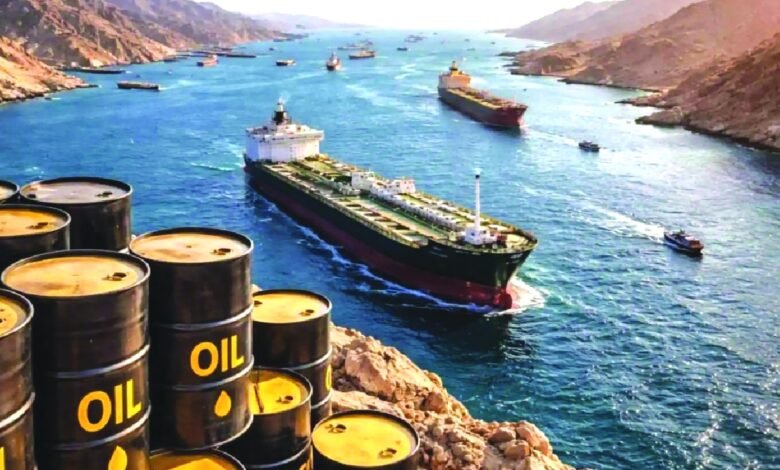
Crude oil prices have fallen towards $101 a barrel as renewed diplomatic efforts to ease tensions between the United States and Iran raise hopes of avoiding further disruption to global energy supplies. The prospect of renewed negotiations is reducing some of the geopolitical risk premium in oil markets, although uncertainty surrounding the conflict continues to limit confidence in the outlook.
Security officials from Saudi Arabia, Pakistan and Turkey were expected to meet Iranian leaders to revive negotiations and prevent the conflict from spreading. Any progress towards de-escalation could reduce concerns about future supply interruptions, particularly around the Strait of Hormuz, one of the most strategically important routes for global oil shipments.
Crude prices are also facing pressure from the reported recovery in tanker movements through the strait towards prewar levels, despite continued attacks on vessels and Washington’s ongoing blockade of Iranian ports. At the same time, concerns that persistently elevated energy prices could weaken global economic activity and reduce oil consumption are adding to the bearish outlook.
However, the diplomatic picture remains fragile. The possibility of renewed strikes against Iran following this week’s Israeli elections and next week’s US midterm elections leaves the market exposed to sudden changes in geopolitical sentiment.
For traders, the immediate question is whether improved shipping flows and diplomatic progress can sustain downward pressure on crude, or whether renewed tensions will quickly restore the geopolitical premium.
Market Snapshot
| Indicator | Latest reported position |
|---|---|
| Commodity | Crude oil |
| Reported price | Around $101 per barrel |
| Price direction | Lower |
| Main bearish driver | Renewed US-Iran diplomatic efforts |
| Shipping conditions | Strait of Hormuz flows recovering towards prewar levels |
| Supply risk | Continued attacks on vessels and uncertainty over Iran |
| Demand concern | High prices potentially weakening global oil consumption |
| Key near-term catalyst | Diplomatic negotiations and geopolitical developments |
Market details reflect the supplied report and have not been independently verified.
Crude Oil Price Action: Geopolitical Risk Premium Begins to Ease
The decline towards $101 a barrel reflects changing expectations about the likelihood of further disruption to energy supplies. Oil prices often incorporate a premium when traders believe that conflict could threaten production, shipping routes or the availability of crude to international markets.
Renewed diplomatic engagement between Washington and Tehran is reducing some of those immediate concerns. If negotiations produce tangible progress, traders may become less willing to price in the risk of a prolonged supply shock.
The recovery in shipments through the Strait of Hormuz is another important development. A return towards prewar shipping levels would suggest that more crude is moving through a critical transit route, easing some of the immediate concerns about physical availability.
Nevertheless, lower prices do not necessarily mean that the underlying risks have disappeared. Continued attacks on vessels and the blockade of Iranian ports leave significant uncertainty around the security of regional energy flows.
The next phase of price action is therefore likely to depend on whether diplomatic progress continues and whether shipping activity remains stable.
Supply Outlook: Strait of Hormuz Remains Critical
The Strait of Hormuz remains central to the crude oil outlook because disruptions to this route can affect the movement of substantial volumes of energy supplies.
The reported recovery in shipments towards prewar levels is helping to ease immediate supply concerns. More reliable transit through the strait could improve the availability of crude to importing countries and reduce the urgency with which traders price in potential shortages.
However, the security situation remains unresolved. Continued attacks on vessels mean that shipping conditions could deteriorate again if negotiations fail or military tensions intensify.
US Central Command reportedly stated that more than 1.5 billion barrels had passed through the strait with American assistance since summer. While this figure indicates the scale of the reported shipping activity, it does not by itself establish that all supply risks have been removed.
Traders will continue to monitor:
- The volume and consistency of tanker movements through the strait.
- Whether attacks on commercial vessels increase or diminish.
- The impact of the US blockade of Iranian ports.
- Any changes in regional security arrangements.
- Evidence that diplomatic negotiations are producing practical improvements in shipping conditions.
A sustained recovery in shipping flows would support the bearish case for crude. A renewed disruption could reverse that pressure rapidly.
Demand Outlook: High Prices Threaten Consumption
Demand concerns are adding another layer of downward pressure to the market. When oil prices remain elevated for an extended period, households and businesses face higher fuel, transport and production costs.
For energy-intensive industries, higher crude prices can squeeze profit margins and increase operating expenses. Transport companies, manufacturers and logistics providers may face higher costs, while consumers may have less disposable income available for other spending.
If these pressures persist, economic activity and fuel consumption could weaken. That would make it more difficult for crude prices to sustain elevated levels, particularly if supply conditions improve at the same time.
However, the supplied report does not provide current global demand figures or consumption forecasts. The extent of any demand deterioration therefore remains uncertain.
Traders should distinguish between the risk that high prices will eventually weaken consumption and evidence that demand is already slowing. Changes in economic activity, fuel consumption and broader market balances will be important in determining whether demand concerns become a more significant driver of prices.
US-Iran Diplomacy: The Main Near-Term Catalyst
Diplomatic developments are likely to remain a major influence on crude oil prices. Expected discussions involving Saudi Arabia, Pakistan, Turkey and Iranian leaders indicate renewed efforts to prevent the conflict from escalating and to revive negotiations.
A credible diplomatic breakthrough could reduce fears of further attacks, improve confidence in shipping security and encourage traders to remove some of the risk premium embedded in crude prices.
Conversely, unsuccessful negotiations could leave the market vulnerable to renewed escalation. The prospect of strikes against Iran following political developments in Israel and the United States adds uncertainty to the near-term outlook.
For traders, announcements alone may not be sufficient to sustain a lasting market reaction. Evidence of improved security, more consistent shipping activity and a reduction in the risk of further conflict would provide stronger grounds for reassessing the supply outlook.
Until that evidence emerges, crude oil may remain highly sensitive to geopolitical headlines.
Bullish Sentiment
- Renewed military escalation: A resumption of strikes against Iran could quickly increase concerns about regional production and shipping security.
- Disruption to the Strait of Hormuz: Any renewed interruption to tanker movements could tighten the availability of crude and push prices higher.
- Continued attacks on vessels: Persistent or intensifying maritime security incidents could increase transport risks and restore part of the geopolitical premium.
- Diplomatic failure: If negotiations break down, traders may reassess the likelihood of a prolonged conflict and further supply disruptions.
- Supply uncertainty despite lower prices: The current decline may prove temporary if physical shipping conditions deteriorate or the conflict spreads.
Bearish Sentiment
- Improved diplomatic prospects: Renewed negotiations could reduce the perceived risk of further military escalation and weaken the geopolitical premium.
- Recovering shipping flows: The reported return of Strait of Hormuz shipments towards prewar levels could ease immediate concerns about supply availability.
- Pressure from weaker demand expectations: Persistent high energy costs may undermine consumption and economic activity, limiting the potential for a sustained price recovery.
- Reduced urgency to secure supply: If traders become more confident that crude can move through key shipping routes, the need to price in a severe disruption may diminish.
- Further easing of geopolitical tensions: Any sustained improvement in regional security could encourage additional selling if the market reassesses the risk of a supply shock.
Crude Oil Price Forecast: What Traders Are Watching
Crude oil’s near-term direction will depend on the balance between improving diplomatic prospects and the continuing risk of military escalation.
The decline towards $101 a barrel suggests that the market is placing greater weight on the possibility of easing tensions and recovering shipping flows. However, traders should not assume that the decline will continue in a straight line while attacks on vessels and uncertainty around Iran remain unresolved.
Three broad scenarios are worth monitoring:
- Bearish scenario: Negotiations progress, shipping through the Strait of Hormuz remains stable and concerns about global demand increase. These developments could place further downward pressure on crude.
- Range-bound scenario: Diplomatic signals remain mixed, shipping conditions are broadly stable and traders continue to balance improving supply expectations against the risk of renewed conflict.
- Bullish scenario: Negotiations fail or military action resumes, increasing fears of disrupted shipping and a tighter global supply outlook.
The most important signals will be confirmed changes in shipping activity, developments in US-Iran negotiations, regional security conditions and evidence of a deterioration in oil demand.
The supplied report does not establish specific technical support or resistance levels beyond the reported price of around $101 per barrel. Traders should use current market data to assess those levels rather than relying on unsupported price targets.
Supply Outlook: A Recovery in Flows Could Limit Prices
The supply outlook has become less immediately threatening as reported shipments through the Strait of Hormuz recover towards prewar levels. If this improvement continues, it could reduce the probability of a sudden shortage caused by shipping disruption.
However, the distinction between improving flows and a fully normalised energy market remains important. Continued attacks on vessels, the US blockade of Iranian ports and the possibility of renewed military action mean that the market remains exposed to unexpected interruptions.
For oil producers, traders and commercial buyers, the coming sessions will be important in establishing whether the improvement is durable. A consistent recovery in shipments would reinforce the argument that supply risks are easing. A renewed deterioration could quickly restore concerns over availability and transportation costs.
Demand Outlook: Economic Pressure Could Reinforce the Downside
The possibility of weaker demand remains an important consideration as crude prices respond to geopolitical developments.
High oil prices can increase costs across transport, manufacturing, agriculture and distribution. If these costs remain elevated, businesses may reduce consumption, delay investment or pass higher expenses on to customers. Consumers may also reduce discretionary spending as energy costs absorb a larger share of household budgets.
A sustained decline in crude prices could ease some of these pressures, but the benefit would depend on how far prices fall and whether the reduction reaches end users.
For the market, the key question is whether improved supply expectations are accompanied by weakening consumption. If both trends develop together, crude could face more persistent downward pressure. If demand remains resilient while geopolitical risks rise again, prices could recover quickly.
Market Outlook for the Coming Sessions
Crude oil remains caught between two competing forces: hopes that diplomacy will reduce the risk of supply disruption and concerns that the conflict could escalate again.
The reported decline towards $101 a barrel indicates that easing tensions and recovering shipping flows are currently weighing on prices. Nevertheless, the outlook remains vulnerable to sudden changes in the political and security environment.
The following developments are likely to shape market direction:
- Diplomatic progress: Whether negotiations produce credible steps towards de-escalation.
- Shipping security: Whether tanker movements through the Strait of Hormuz remain close to prewar levels.
- Regional military developments: Whether the risk of renewed strikes against Iran increases.
- Global demand: Whether elevated energy costs begin to translate into weaker consumption.
- Market positioning: Whether traders continue to reduce geopolitical risk exposure or return to buying crude as a hedge against disruption.
The bearish case would strengthen if diplomacy advances and shipping remains stable. The bullish case would regain momentum if the conflict intensifies or energy flows are disrupted again.
For now, traders should treat the decline as a response to improving expectations rather than confirmation that geopolitical supply risk has disappeared.
Currency Hedger View
Falling crude oil prices can create opportunities for businesses that purchase fuel or energy-intensive inputs, but the commercial impact depends on the currency in which those purchases are priced and settled.
For companies importing crude-derived products, fuel, petrochemicals or other energy-related goods, a reduction in the underlying oil price may lower procurement costs. However, movements in the US dollar can offset some of that benefit for businesses whose operating currency is the euro, pound or another currency.
Conversely, businesses selling energy-related products or holding inventory linked to crude prices may face lower selling prices or changes in inventory values. The effect on margins will depend on contract terms, pricing mechanisms, payment dates and the extent to which costs and revenues move together.
Businesses with material energy or foreign-exchange exposure should consider:
- Reviewing procurement commitments: Assess how changing crude prices may affect upcoming purchases and contracted costs.
- Monitoring USD exposure: Evaluate whether exchange-rate movements could offset savings from lower dollar-denominated energy prices.
- Reviewing customer pricing: Understand whether selling prices adjust immediately or with a delay when energy costs change.
- Planning cash flow: Consider how volatile energy prices and currency movements could affect budgets and working capital.
- Assessing risk-management options: Explore whether suitable commodity or FX hedging arrangements could provide greater cost certainty for identifiable commercial exposures.
Currency Hedger helps businesses assess foreign-exchange exposure and explore risk-management solutions tailored to their commercial requirements.
Open a Currency Hedger account or visit currencyhedger.com to discuss your currency exposure.
Disclaimer
This article is provided for general informational and market commentary purposes only. It does not constitute investment, financial, legal or tax advice, nor a recommendation to buy, sell or trade any commodity, currency or financial instrument. Energy markets are volatile, and geopolitical developments can cause rapid price movements. Forecasts and scenarios are conditional and may not materialise. Commodity and foreign-exchange hedging involve costs and risks and may not be suitable for every business. Seek appropriate professional advice before entering into any financial or hedging transaction.