S&P 500 — US Large Cap Index
 FTSE 100 — UK Blue Chips
 Euro Stoxx 50 — Eurozone Leaders
 DAX 40 — German Equities
 CAC 40 — French Market Index
 Nikkei 225 — Japan Benchmark
 Hang Seng — Hong Kong Index
 Shanghai Composite — China Mainland
 ASX 200 — Australian Market
 TSX Composite — Canada Index
 Nifty 50 — India Large Cap
 STI Index — Singapore Market
 KOSPI — South Korea Index
 Bovespa — Brazil Equities
 JSE Top 40 — South Africa Index
 IPC Index — Mexico Market
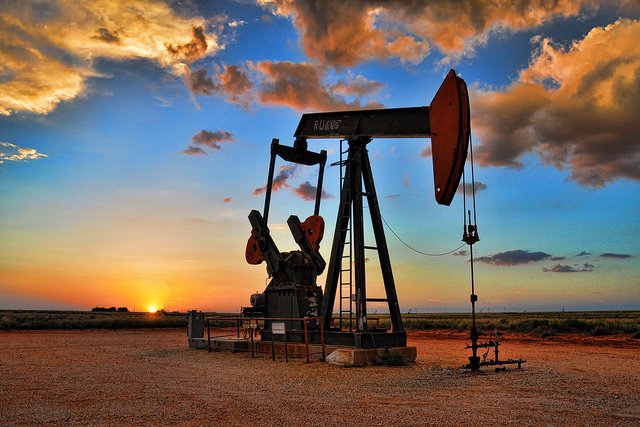
- WTI rises as the Strait of Hormuz remains largely shut, tightening Middle East supplies.
- Oil gains may be capped as markets assess ceasefire prospects and potential reopening after Iran’s latest US proposal.
- Six Iranian tankers turned back amid US blockade; ADNOC LNG tanker crossed Hormuz, nearing India.
West Texas Intermediate (WTI) oil price extends its gains for the second successive day, trading around $95.20 per barrel during the Asian hours on Tuesday. Crude oil prices rise as the critical Strait of Hormuz remains largely shut, tightening Middle East energy supplies.
However, Oil gains may be capped as markets weigh the prospects of a lasting ceasefire and a potential reopening after Iran’s fresh proposal to the United States (US). Tehran reportedly signaled via Pakistan that hostilities could end if Washington lifts its naval blockade, revises transit rules through Hormuz, and guarantees against future military action.
A US official said on Monday that President Donald Trump is dissatisfied with Iran’s proposal. Iranian sources added that Tehran avoided addressing its nuclear program until hostilities cease and Gulf shipping disputes are resolved.
Now in its ninth week, the conflict has pushed energy prices higher and disrupted major supply chains, while the International Energy Agency (IEA) warns of a potential supply shock alongside slowing demand risks.
Trump’s stance leaves the conflict at an impasse, with Iran restricting flows through the Strait, handling roughly 20% of global oil and gas, and the US maintaining its blockade of Iranian ports.
Reuters reported ship-tracking data showing major disruptions, with six Iranian tankers turning back due to the US blockade. However, an LNG tanker operated by Abu Dhabi National Oil Company (ADNOC) crossed the Strait of Hormuz and is reportedly nearing India, data showed Monday.
The story was corrected on April 28, at 02:44 GMT, to say in the fourth paragraph, “Now in its ninth week, not month”.