S&P 500 — US Large Cap Index
 FTSE 100 — UK Blue Chips
 Euro Stoxx 50 — Eurozone Leaders
 DAX 40 — German Equities
 CAC 40 — French Market Index
 Nikkei 225 — Japan Benchmark
 Hang Seng — Hong Kong Index
 Shanghai Composite — China Mainland
 ASX 200 — Australian Market
 TSX Composite — Canada Index
 Nifty 50 — India Large Cap
 STI Index — Singapore Market
 KOSPI — South Korea Index
 Bovespa — Brazil Equities
 JSE Top 40 — South Africa Index
 IPC Index — Mexico Market
Coffee Prices Rally as El Niño Threatens Brazil and Vietnam Crops Ahead of Monday’s Open

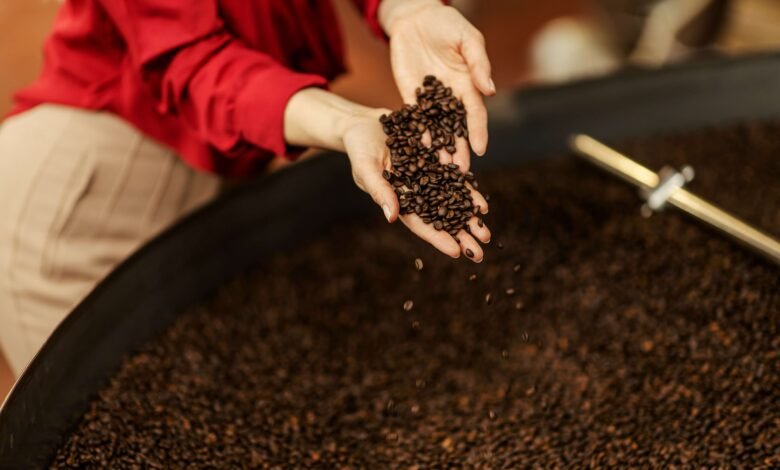
Coffee futures surged on Friday, with December arabica climbing 3.66% to a five-week high and November robusta advancing 1.16%. Growing concerns that an El Niño weather pattern could disrupt coffee production in Brazil and Vietnam next year helped drive buying, although abundant supplies, strong exports and rising robusta inventories continue to limit the bullish outlook.
The market enters Monday with opposing forces in play. Weather-related production risks are supporting prices, particularly arabica, while improving growing conditions and forecasts for record global output remain significant headwinds. The key question is whether traders continue to price in potential crop damage or return their focus to the current global supply surplus.
Market Snapshot
| Indicator | Latest Reported Data | Market Implication |
|---|---|---|
| December 2026 arabica | +3.66% Friday | Strong bullish momentum |
| November 2026 robusta | +1.16% Friday | Gains more limited |
| Brazil September coffee exports | 236,000 MT, up over 20% year-on-year | Bearish supply signal |
| Vietnam September exports | 124,000 MT, up 53% year-on-year | Increased availability |
| Vietnam January–September exports | 1.45 MMT, up 16.2% | Strong export momentum |
| ICE robusta inventories | 5,752 lots | Highest in 10.75 months |
| ICE arabica inventories | 260,654 bags at September 30 | Recovered from recent lows |
| ICO 2025/26 global production | 183.6 million bags | Record crop |
| ICO 2025/26 global balance | 3 million bag surplus | Bearish underlying backdrop |
| USDA 2026/27 global production forecast | 189.7 million bags | Potential record supply |
Figures reflect the supplied market report. Crop forecasts and inventory figures are subject to revision.
Monday Coffee Outlook: Weather Risks Versus Abundant Supply
Friday’s rally signals renewed buying interest, with arabica particularly sensitive to concerns over Brazil’s next crop. Commercial coffee-market commentary warned that El Niño could delay rainfall during Brazil’s flowering period, when adequate moisture is important for the development of the next harvest.
Vietnam also faces potential drought risks in its Central Highlands, the country’s principal coffee-growing region. However, recent rainfall has improved soil moisture and is expected to support cherry development, illustrating the uncertainty surrounding the weather outlook.
For Monday, traders will assess whether Friday’s momentum attracts further buying or whether the market returns to concerns about large global supplies and strong exports.
The short-term bias is bullish on weather risk, but the broader supply outlook remains a major obstacle to a sustained rally.
Arabica Coffee: Brazil’s Flowering Season Takes Centre Stage
December arabica rose 10.80 cents, or 3.66%, to close Friday at a five-week high.
Brazil’s flowering period is particularly important for the 2026/27 crop. If rainfall is delayed or insufficient, flowering and subsequent fruit development could be affected, potentially reducing future yields.
The El Niño outlook has therefore become a key market driver. A prolonged period of adverse weather could threaten production in Brazil and other coffee-growing regions, prompting traders to price in a tighter supply balance.
However, recent rainfall data provide a counterargument. Somar Meteorologia reported 33.3 mm of rain in Minas Gerais during the week ended October 4, equivalent to 104% of the historical average. If favourable rainfall continues through flowering and cherry development, the risk of a smaller Brazilian crop could ease.
Monday’s price action will indicate whether traders view the latest rally as the beginning of a more sustained weather premium or a short-term reaction to forecast uncertainty.
Robusta Coffee: Inventory Growth Limits the Rally
November robusta gained 39 points, or 1.16%, on Friday, underperforming arabica.
The difference reflects the importance of supply conditions. ICE robusta inventories climbed to 5,752 lots, the highest level in 10.75 months, providing evidence of improved exchange-stock availability and limiting the bullish impact of weather concerns.
Vietnam’s export performance is another headwind. September exports increased 53% year-on-year to 124,000 MT, while January–September shipments rose 16.2% to 1.45 MMT.
Vietnam’s 2025/26 coffee production is also forecast to rise 6% to 1.76 MMT, equivalent to 29.4 million bags. As the world’s largest robusta producer, Vietnam’s output and export availability are critical to the global market.
For robusta to extend its gains, traders will need evidence that weather risks or stronger demand can offset rising inventories and abundant Vietnamese supplies.
Brazil: Larger Production and Strong Exports Remain Bearish
Brazil’s supply outlook continues to conflict with the weather-driven rally.
The country’s Trade Ministry reported that September coffee exports rose more than 20% year-on-year to 236,000 MT. Strong exports indicate substantial availability from the world’s largest coffee producer.
Conab raised its 2026 production estimate to 67.6 million bags from 66.7 million bags. Its forecast included a 34.8% increase in arabica output to 48.21 million bags, while robusta production was expected to fall 6.6% to 19.39 million bags.
The USDA has also projected a record 2026/27 global crop of 189.7 million bags, up 6% year-on-year, with improved Brazilian growing conditions a major contributor.
These forecasts could limit price gains if production meets expectations. However, they remain vulnerable to changes in rainfall, flowering success and crop development. The market will need updated evidence before determining whether the record-crop outlook remains achievable.
Vietnam: Export Strength Offsets Weather Concerns
Vietnam’s coffee market presents a similar conflict between immediate supply and future weather risks.
Recent rainfall in the Central Highlands has improved soil moisture and should support cherry development. This is a bearish factor because healthy crop development could sustain output and export availability.
At the same time, forecasters have warned that an El Niño-related drought could emerge later this year and into early 2027. If dry conditions become severe, production could be affected during critical crop-development stages.
The distinction is timing. Current export strength reflects coffee already available for shipment, while weather risks concern future production. Prices may therefore remain sensitive to both near-term export data and longer-term forecasts.
Global Coffee Balance: Record Production and Surplus Weigh on Prices
The International Coffee Organization projected 2025/26 global production at a record 183.6 million bags, up 4.4% year-on-year. Consumption was forecast to decline 0.9% to 180.6 million bags, leaving a surplus of 3 million bags—the first surplus in five years according to the supplied report.
The USDA’s 2026/27 forecast is also bearish, projecting global production of 189.7 million bags and a 1.9-million-bag increase in ending stocks to 26.3 million bags.
These forecasts suggest that the market could remain well supplied if production and consumption develop as expected.
However, the global balance is not guaranteed. Adverse weather in Brazil, Vietnam or other major producers could reduce output, while stronger consumption could absorb more supply than forecast.
The most important question is whether the weather premium currently entering prices will be supported by measurable changes in production estimates and inventory trends.
Colombia: Lower Arabica Output Provides Some Support
Colombia’s production and export figures offer a counterweight to the larger-crop outlook in Brazil and Vietnam.
The Colombian Coffee Federation reported that 2025/26 production fell 15% year-on-year to 12.65 million bags, while exports declined 12% to 11.78 million bags.
As a major arabica producer, Colombia’s weaker output can contribute to tighter availability of particular grades and origins. However, the effect on overall prices will depend on the scale of losses relative to increases elsewhere.
Colombia’s weakness provides some support for arabica but is unlikely, by itself, to offset a large increase in Brazilian production if the latter materialises.
Bullish Sentiment: Factors That Could Drive Coffee Higher
- El Niño weather risks: Delayed Brazilian rainfall or drought in Vietnam could threaten future crop yields.
- Brazilian flowering disruption: Poor conditions during flowering could reduce the potential size of the next arabica crop.
- Arabica inventory constraints: ICE arabica stocks remain well below historical levels despite their recovery from September lows.
- Lower Colombian production: Reduced output and exports could tighten availability of Colombian arabica.
- Further speculative buying: Friday’s rally could attract additional momentum-driven buying if weather forecasts deteriorate.
- Downward crop revisions: Evidence of weather damage could force analysts to reduce production forecasts.
Bearish Sentiment: Risks to the Coffee Rally
- Record global production forecasts: The USDA expects 2026/27 output to reach 189.7 million bags.
- Strong Brazilian exports: September shipments rose more than 20% year-on-year, highlighting substantial supply availability.
- Rising robusta inventories: ICE robusta stocks have reached a 10.75-month high.
- Strong Vietnamese exports: Higher shipments indicate that near-term robusta supply remains ample.
- Favourable rainfall: Recent precipitation in Brazil and Vietnam could support crop development and reduce weather concerns.
- Global surplus expectations: The projected 2025/26 surplus and rising ending stocks could limit sustained price appreciation.
Coffee Price Forecast: What Traders Should Watch on Monday
The immediate outlook favours further volatility, with arabica more exposed to weather-driven upside while robusta faces greater pressure from inventories and Vietnamese supply.
Three scenarios are worth monitoring:
- Bullish scenario: El Niño forecasts deteriorate, rainfall is delayed during Brazilian flowering, or evidence emerges that next year’s crop will be smaller than expected.
- Bearish scenario: Favourable growing conditions continue, exports remain strong and traders return their focus to record global production forecasts.
- Neutral scenario: Prices consolidate as weather uncertainty offsets the bearish impact of current supply and inventory data.
For Monday, traders should watch whether arabica can hold its five-week high momentum and whether robusta can attract stronger buying despite rising inventories.
No precise support or resistance levels can be established from the supplied figures alone.
Coffee Market Outlook for the Coming Sessions
Coffee prices enter the new week with renewed bullish momentum, but the rally remains exposed to a fundamental challenge: global production is forecast to rise sharply while current exports from Brazil and Vietnam remain strong.
Weather is the key variable. If El Niño disrupts rainfall during critical growing stages, production forecasts could be revised lower and support prices. If conditions remain favourable, the market may struggle to sustain gains against abundant supply and rising robusta inventories.
The near-term bias is cautiously bullish for arabica because of flowering risks, while robusta faces a more balanced-to-bearish outlook. Confirmation from rainfall, crop development and inventory data will be essential before treating Friday’s rally as a lasting change in trend.
Currency Hedger View
Coffee importers, roasters, traders and exporters face both commodity-price volatility and foreign-exchange risk. A rise in dollar-denominated coffee prices can increase purchasing costs, while currency movements can amplify or offset that change in local-currency terms.
Businesses with upcoming coffee purchases should consider the combined effect of commodity prices and exchange rates when planning budgets and supplier payments. Exporters receiving foreign-currency revenue may also need to manage conversion risk to protect margins.
Forward contracts can help eligible businesses establish greater certainty over future currency conversions for known payments and receipts. The appropriate strategy depends on transaction timing, size and risk tolerance.
Open a Currency Hedger account: https://currencyhedger.numito.com/onboarding
Visit https://currencyhedger.com/ to learn more about international payments, multi-currency accounts and currency risk management.
Today Markets Analysis
Coffee futures rallied on Friday as weather risks for Brazil and Vietnam raised concerns about next year’s crops. However, strong exports, rising robusta inventories and record global production forecasts continue to challenge the bullish case.
The market’s next direction will depend on whether weather concerns translate into measurable production risks. Until that becomes clearer, arabica may remain more responsive to flowering forecasts, while robusta is likely to remain sensitive to Vietnamese supply and inventory levels.
For the coming sessions, traders should monitor rainfall, crop estimates, export flows and ICE inventories before assuming that the latest rally will continue.
Contributor: Currency Hedger
Disclaimer: This analysis is provided for informational and educational purposes only and does not constitute investment, financial or trading advice. Coffee futures are volatile and can respond rapidly to weather, crop forecasts, exports, inventories, currency movements and speculative positioning. Forecasts and scenarios are not guarantees of future performance. Businesses and traders should conduct independent research and seek professional advice where appropriate.