S&P 500 — US Large Cap Index
 FTSE 100 — UK Blue Chips
 Euro Stoxx 50 — Eurozone Leaders
 DAX 40 — German Equities
 CAC 40 — French Market Index
 Nikkei 225 — Japan Benchmark
 Hang Seng — Hong Kong Index
 Shanghai Composite — China Mainland
 ASX 200 — Australian Market
 TSX Composite — Canada Index
 Nifty 50 — India Large Cap
 STI Index — Singapore Market
 KOSPI — South Korea Index
 Bovespa — Brazil Equities
 JSE Top 40 — South Africa Index
 IPC Index — Mexico Market
Key takeaways
- September, the month for rate hikes
- Japanese bonds no longer risk free asset
- If Shein was a tech company…
- September could be a tough month for risk
- A short-lived resumption of hostilities
- The end of an era at Apple
- Tesla outperforms the market
- G20 meeting and the FX impact
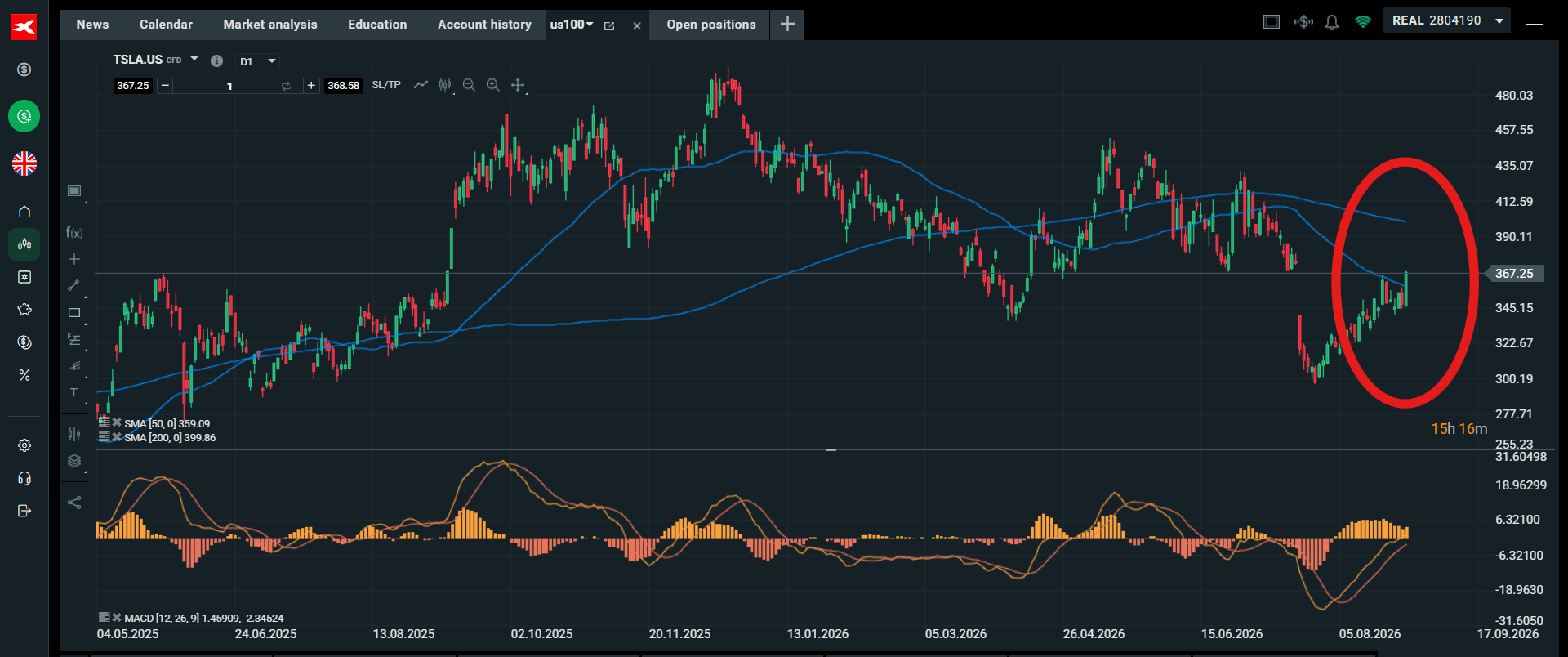
Stocks are pointing to a lower open in Europe later today, as the oil price continues to climb, and bond yields also jump. The Brent crude oil price is back above $91 per barrel, as tensions between Iran and the US heat up. A tanker was hit in the Strait of Hormuz, which adds to supply fears as we start a new month. September, the month for rate hikes September will also be a big month for the global bond markets. The Bank of Japan and the ECB are expected to raise interest rates in the coming weeks, while there is a growing chance that the Fed could join them. Japanese bonds no longer risk free asset Bond yields are rising on Tuesday and have been led higher by the Japanese 10-year yield, which crossed the 3% barrier overnight. The rapid rise in Japanese yields could soon see Japanese debt yield more than European debt. Germany’s 10-year yield is currently only 33bps higher than Japan’s 10-year yield, which highlights the major shift in fiscal risk that we have seen in recent months. Japanese debt has been virtually risk free for decades, that is now changing and it will have repercussions for global markets. While we do not believe that it will lead to a stampede back into Japanese assets by domestic investors, the Nikkei could well be supported in the coming months, and the yen could also rise, however, it is lower on Tuesday, as the USD makes a comeback. If Shein was a tech company… Elsewhere, Shein’s market debut in Hong Kong has flopped. The stock is down 9% already, after raising $1.74bn in its initial listing. The company had originally planned to list in London, back when the company was valued by private markets at $100bn in 2023. However, the company has seen its valuation fall by nearly three quarters since then to $26.5bn. If Shein was a tech company, this IPO could have been different, and the stock price may have surged as demand for AI remains robust. However, today’s price action suggests that fast fashion is out of fashion right now. Overall, August was a good month for risk seekers, especially in the US and Asia. Tech roared back to life, and helped the S&P 500 and the Nasdaq post their first monthly gain since May. The Dow Jones posted its fifth monthly gain in a row last month. Fiscal concerns and volatility caused by the on-again-off-again negotiations between the US and Iran barely dented risk sentiment. September could be a tough month for risk However, September comes with a whole new set of challenges. Firstly, the US and Iran resumed trading fire at the start of the week, after a month of no physical hostilities. This is boosting the energy sector, which was the best performer in the US at the start of the week. In recent weeks investors had got used to the conflict in Iran shifting to an economic stand off between the two sides. However, the tit-for-tat strikes in recent days is another risk that investors need to price in, especially since September is seasonally a weak month for stocks. A short-lived resumption of hostilities For now, we think that the resumption of the bombing will be short lived. Although President Trump said that he would continue to strike Iran, Tehran authorities said that their attacks on US airbases in Jordan would be limited and contained. US Treasury Secretary Scott Bessent also said that the US would win the war through economic sanctions, as he talked down the possibility of prolonged military conflict. We are now just two months away from the US Mid-Term elections, and President Trump shows no sign of scaling back the war in Iran to win votes, even though the conflict is not popular at home. This could trigger volatility in the coming weeks, as investors fret that elevated oil prices could be here to stay. Overall, as long as the oil price remains below $100 per barrel, and for as long as oil supplies are plentiful, as they are now, we think that the economy can withstand the pain from a prolonged conflict between Iran and the US. The end of an era at Apple Today is not just the start of September, it is also the end of an era at Apple. Tin Cook, Steve Jobs’ successor, is stepping down as CEO and handing the reins to John Ternus. Under Cook’s tenure Apple’s stock price rose more than 2000%, so he can leave with his head held high. The stock price dropped by 0.8% on Monday, after it was reported that another senior executive was leaving, this time the head of the App Store. The stock price sold off mildly overnight, as the market digests this news. It suggests that there will be major personnel changes at Apple under the new CEO, and the incredibly successful company could move in a new direction. The market has absorbed news that Tim Cook is stepping down well, Apple’s share price is up by 16% YTD, and performing at the same level as Nvidia. Overall, we do not expect too much of a reaction in Apple’s share price today. The next test for Apple will be the September 9th iPhone launch event, where the company is expected to unveil the new iPhone 18 range, as well as an iPhone Ultra, which will be foldable. The company is expected to increase prices at this event, which could boost profitability and margins, especially if the new product launch is successful. Thus, there is plenty of opportunity for Apple share price volatility later this month. Tesla outperforms the market Elsewhere, Tesla was the top performer on the S&P 500 on Monday, it was higher by 5%, however, it sold off slightly in overnight markets. The stock has been on a tear in recent weeks, and jumped 18% in August, outperforming the overall market. Investors are excited about its energy segment, and its cybercab launch that is set to take place this Thursday. The technical outlook for Tesla is also interesting, the stock price closed above the 50-day sma at $359 on Monday, and $378 is now in view for this stock, the high from July. G20 meeting and the FX impact The G20 meeting is also taking place in the US over the next two days, and this usual non-event could be more interesting this time around. The US Treasury Secretary said that the Bank of Japan could raise interest rates to boost the yen. The BOJ meets just after the Federal Reserve this month, on 17th and 18th September, and the market is already expecting a hike, with a 80%+ probability already priced in. Bessent’s assertion that a rate hike was close helped the yen to rise by 0.2% vs. the USD, and USD/JPY backed away from the critical 160.00 level after these comments, although the yen is faltering on Monday and is within striking distance of 160. This suggests that Bessent’s comments alone won’t be enough to support the yen. Overall, September could be a tricky month for investors, and volatility could be on the rise. Chart 1: Tesla tests the 50-day sma
Source: XTB