S&P 500 — US Large Cap Index
 FTSE 100 — UK Blue Chips
 Euro Stoxx 50 — Eurozone Leaders
 DAX 40 — German Equities
 CAC 40 — French Market Index
 Nikkei 225 — Japan Benchmark
 Hang Seng — Hong Kong Index
 Shanghai Composite — China Mainland
 ASX 200 — Australian Market
 TSX Composite — Canada Index
 Nifty 50 — India Large Cap
 STI Index — Singapore Market
 KOSPI — South Korea Index
 Bovespa — Brazil Equities
 JSE Top 40 — South Africa Index
 IPC Index — Mexico Market
European Natural Gas Price Outlook: Supply Risks and Low Storage Keep Prices Elevated

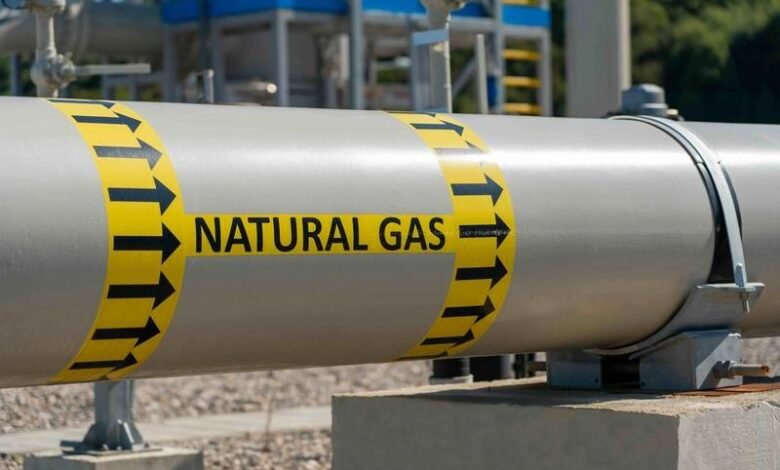
European natural gas prices remain under pressure from tightening supply conditions, below-average storage levels and the risk of increased heating demand as colder weather approaches. Prices hover near €87 per megawatt-hour, close to their highest levels since December 2022, as the loss of Gulf liquefied natural gas (LNG) supplies intensifies competition for available cargoes.
Although additional LNG exports from the United States, Canada and Nigeria are helping to offset some of the supply shortfall, Europe faces continued challenges in rebuilding its gas inventories ahead of the winter demand period. Unplanned outages at Norwegian gas infrastructure are adding further pressure by reducing pipeline export capacity.
With storage facilities only 73.94% full and forecasts pointing to colder-than-usual conditions in parts of Central Europe, the market remains vulnerable to further price increases. The near-term outlook will depend on LNG availability, Norwegian pipeline flows, weather developments and the pace at which Europe draws down its stored gas.
Market Snapshot
- European natural gas prices: Around €87/MWh.
- Price trend: Near the highest levels since December 2022.
- European gas storage: 73.94% full.
- Key supply risk: Reduced Gulf LNG availability.
- Additional supply constraint: Unplanned Norwegian gas infrastructure outages.
- Weather outlook: Colder-than-usual conditions possible, particularly in Central Europe.
- Key market concern: Competition for spot LNG cargoes and the challenge of replenishing storage before winter.
Supply Constraints Keep European Gas Prices Elevated
Europe’s natural gas market faces a difficult combination of reduced LNG availability and restricted pipeline flows. The loss of Gulf LNG supplies has intensified competition among importing regions for spot cargoes, making it more difficult for European buyers to secure additional volumes at favourable prices.
Increased exports from the United States, Canada and Nigeria provide an important source of alternative supply. However, additional shipments do not necessarily eliminate the shortfall, particularly when other regions are competing for the same cargoes.
Norway remains another critical component of Europe’s gas supply system. Unplanned outages at Norwegian infrastructure have reduced pipeline export capacity, limiting the volume of gas available to European markets through an important supply route.
These constraints leave prices sensitive to further disruptions. If LNG deliveries remain insufficient or Norwegian outages persist, buyers may need to compete more aggressively for available gas, potentially sustaining elevated prices.
Conversely, a recovery in pipeline flows, improved LNG availability or reduced competition from other importing regions could ease supply concerns and place downward pressure on prices.
European Gas Storage Raises Winter Supply Concerns
European gas storage facilities are currently 73.94% full, leaving the region exposed to changes in demand and supply as the heating season approaches.
Storage provides an important buffer against interruptions in pipeline deliveries and fluctuations in LNG arrivals. However, the ability to draw on these reserves depends on how quickly temperatures fall, how much gas is consumed and whether additional supplies can be secured.
Below-average storage levels become particularly concerning when supply disruptions coincide with colder weather. Higher heating demand could accelerate withdrawals, reducing the remaining buffer against further interruptions later in the winter.
The market is therefore likely to focus on both the percentage of storage filled and the rate at which inventories change. A sustained recovery in storage would help ease concerns, while faster-than-expected withdrawals could reinforce upward price pressure.
Colder Weather Could Increase Heating Demand
Weather forecasts pointing to colder-than-usual conditions, particularly in Central Europe, introduce another potential source of volatility.
Lower temperatures generally increase demand for heating, raising the volume of gas required by households, businesses and energy providers. If colder weather arrives earlier or persists for longer than expected, European consumption could increase at a time when storage remains below historical averages and supply routes face disruption.
This combination could force buyers to rely more heavily on stored gas and compete for additional LNG cargoes.
However, weather forecasts remain subject to change. A milder-than-expected winter would reduce heating demand and could allow Europe to manage its available inventories more comfortably.
For prices, the interaction between temperature forecasts and supply availability will be crucial. Colder weather alone may not guarantee a sustained rally, but its impact could be amplified if LNG deliveries remain constrained and Norwegian pipeline capacity stays reduced.
Bullish Scenario: Supply Disruptions and Cold Weather Drive Prices Higher
A bullish scenario would develop if Gulf LNG supply constraints persist, Norwegian infrastructure outages continue and colder weather increases European gas consumption.
Under these conditions, Europe could struggle to replenish storage while facing stronger demand for heating. Competition for spot LNG cargoes would likely intensify, particularly if other importing regions also seek additional supply.
Prices could remain elevated or move higher if available cargoes and pipeline deliveries fail to meet demand. Storage withdrawals faster than seasonal expectations would further increase concerns about supply security later in the winter.
The strongest upside risk would emerge from simultaneous disruptions across multiple supply routes combined with a prolonged period of cold weather.
Bearish Scenario: LNG Recovery and Milder Weather Ease Pressure
A bearish scenario would emerge if alternative LNG supplies increase sufficiently, Norwegian gas infrastructure returns to normal operation and weather conditions prove milder than forecast.
Greater supply availability would reduce competition for spot cargoes, while lower heating demand would help preserve existing inventories.
If European storage withdrawals remain manageable and market participants gain confidence in the adequacy of winter supplies, the risk premium embedded in gas prices could diminish.
A sustained improvement in supply conditions would therefore create room for prices to retreat from their elevated levels. However, the extent of any decline would depend on how quickly storage concerns ease and whether the loss of Gulf LNG volumes is fully offset.
European Natural Gas Forecast: What to Watch Next
The near-term outlook remains sensitive to supply disruptions and weather developments. Prices near €87/MWh indicate that the market is already responding to concerns over LNG availability, pipeline capacity and winter preparedness.
The next sustained move will depend on whether these risks intensify or begin to ease.
Key developments to monitor include:
- LNG deliveries: Whether additional exports from the United States, Canada and Nigeria can offset reduced Gulf supplies.
- Norwegian pipeline flows: The duration and severity of unplanned infrastructure outages.
- European storage levels: Whether inventories recover or withdrawals accelerate as temperatures fall.
- Central European temperatures: The timing, severity and duration of colder weather.
- Spot LNG competition: Demand from other importing regions and its impact on cargo prices.
- Winter supply security: Whether Europe can maintain sufficient reserves under adverse weather and supply conditions.
The balance of risks remains tilted towards price volatility, with the potential for further gains if supply constraints coincide with stronger heating demand. A sustained decline would require clearer evidence that additional supplies and favourable weather are easing the pressure on European inventories.
Currency Hedger View
European natural gas prices are an important indicator of energy-market stress, with implications for businesses exposed to electricity costs, industrial production, transportation and international commodity trade.
Elevated gas prices can increase operating expenses for energy-intensive businesses and contribute to inflationary pressure across the European economy. These effects may influence monetary policy expectations, economic growth prospects and the euro’s performance against other major currencies.
For businesses purchasing energy or paying international suppliers, the combination of volatile commodity prices and exchange-rate movements can complicate budgeting and cash-flow planning. Even when energy prices stabilise, adverse currency movements may continue to affect the cost of imported supplies.
Monitoring foreign exchange markets alongside broader commodity and macroeconomic conditions can help businesses assess their exposure to changing market conditions.
Manage Your International Currency Exposure
Currency Hedger monitors foreign exchange markets alongside broader commodity and macroeconomic conditions, helping businesses assess and manage their international currency exposure.
Open a Currency Hedger Account
Learn more about managing international currency exposure with Currency Hedger, or visit the Currency Hedger website.
Analysis: Louis Roche, Today Markets
Disclaimer: This article is for informational and educational purposes only and does not constitute investment, financial or trading advice. Market outlooks and forecasts are conditional and may change as new information becomes available. Natural gas, commodities, foreign exchange and related financial instruments involve risk, and prices can move sharply in either direction. Businesses and market participants should assess their individual circumstances and seek appropriate professional advice before making financial decisions.