S&P 500 — US Large Cap Index
 FTSE 100 — UK Blue Chips
 Euro Stoxx 50 — Eurozone Leaders
 DAX 40 — German Equities
 CAC 40 — French Market Index
 Nikkei 225 — Japan Benchmark
 Hang Seng — Hong Kong Index
 Shanghai Composite — China Mainland
 ASX 200 — Australian Market
 TSX Composite — Canada Index
 Nifty 50 — India Large Cap
 STI Index — Singapore Market
 KOSPI — South Korea Index
 Bovespa — Brazil Equities
 JSE Top 40 — South Africa Index
 IPC Index — Mexico Market
Axios reports that the USA and Iran have reached an agreement, but still need Trump’s final approval

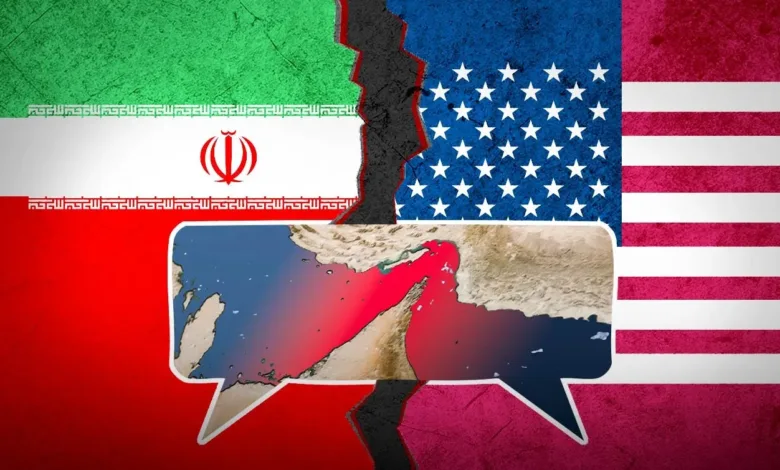
According to Axios, one of the most reliable news outlets in Washington, U.S. and Iranian negotiators have reached a preliminary agreement on a 60-day memorandum of understanding (MOU) that would extend the ceasefire and open talks on Iran’s nuclear program. All that’s missing now is Trump’s final approval—the president has asked the mediators for “a few days to think it over.”
What does the contract include?
The details revealed by Axios are very specific. The Strait of Hormuz is to be fully opened—with no tolls and no harassment of ships—and Iran commits to clearing mines from the strait within 30 days of signing. At the same time, the U.S. naval blockade would be lifted in proportion to the restoration of commercial shipping. Iran would formally commit to not pursuing nuclear weapons, and during a 60-day negotiation window, discussions would take place on how to dispose of highly enriched uranium and how to limit further enrichment. For its part, the U.S. promises talks on lifting sanctions, unfreezing Iranian funds, and establishing a mechanism for delivering goods and humanitarian aid to Iran.
Why do markets react immediately?
The market reaction reflected in today’s quotes is a textbook example of an “anticipation trade.” Crude oil (OIL -0.25%, OIL.WTI -0.48%) is falling because the potential reopening of the Strait of Hormuz signals the return of Iranian oil to the market and an increase in global supply. The dollar is losing ground (USDIDX -0.16%, USDPLN -0.29%) because the easing of geopolitical tensions is driving capital away from safe-haven assets, which automatically boosts EURUSD (+0.21%) and GBPUSD (+0.10%). Gold is gaining slightly (+0.11%) on the back of the dollar’s weakness.
Why not celebrate already?
Trump and his advisors have believed on several occasions that they were close to a deal—none of which have materialized so far. Crucially, Iran has not officially confirmed that it has the “necessary approvals” on its end—this claim comes solely from anonymous U.S. officials. Axios is an agency with a very good track record in Washington, and its reports are taken seriously by the markets; however, until Trump officially signs the deal, the entire scenario remains in the realm of unconfirmed reports. Markets are betting today on the mere possibility of a breakthrough—if the deal falls through, the correction could be just as sharp as the current rally.
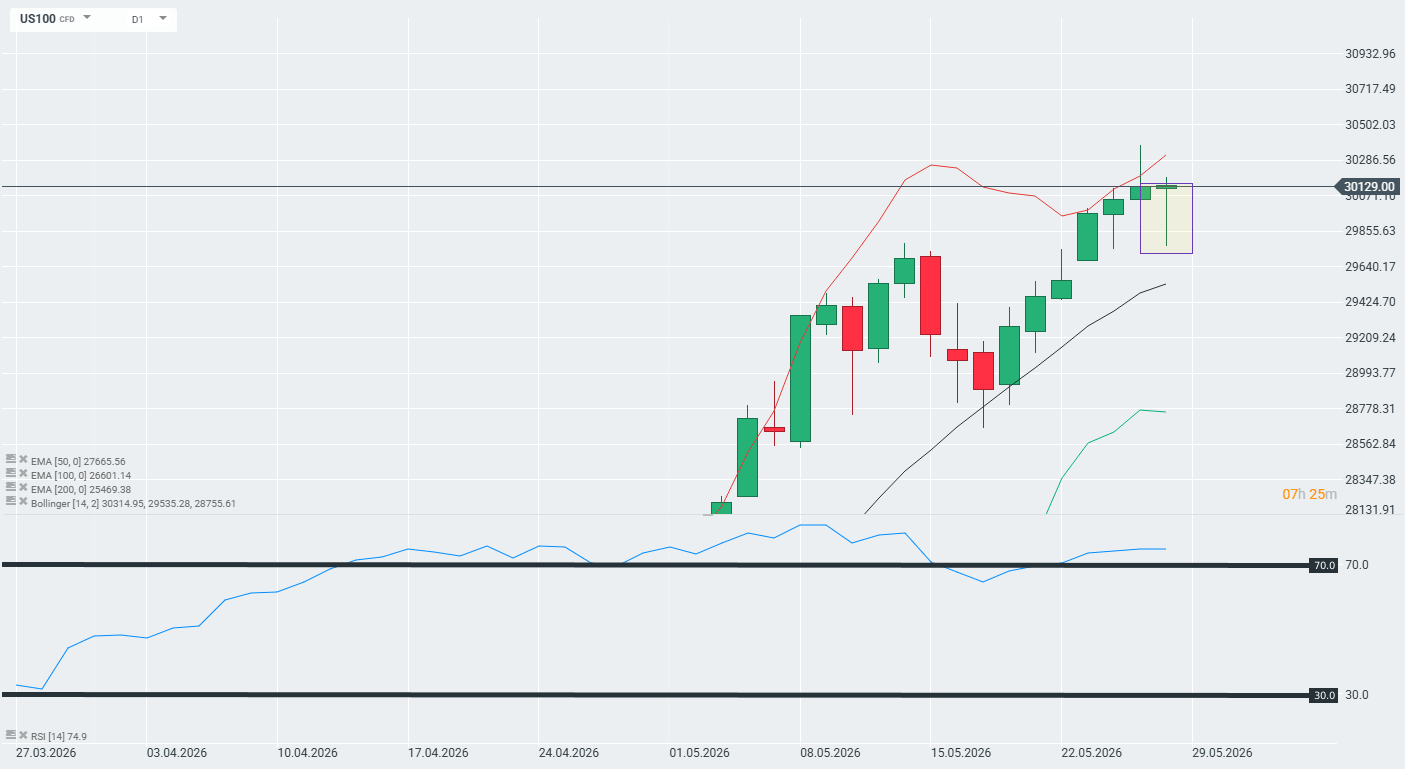
At the moment, the US100 has erased all of its losses from the day and is currently trading higher on an intraday basis. Source: xStation